The Second Chapter of Polar Exploration
It’s Friday, February 28th, and a part of the organizing team—Roman, Honza and Vojta—have already landed in Reykjavík. The weather is wet and unforgiving as we drive to Hvanneyri, the nordic village that will become home for our second-ever Polar Winter School. With the first students arriving also on Friday, we dedicate Saturday to field reconnaissance. Finding safe and educational fieldwork locations proves harder than expected. Western Iceland is stunning, but lacks a consistent snowpack.
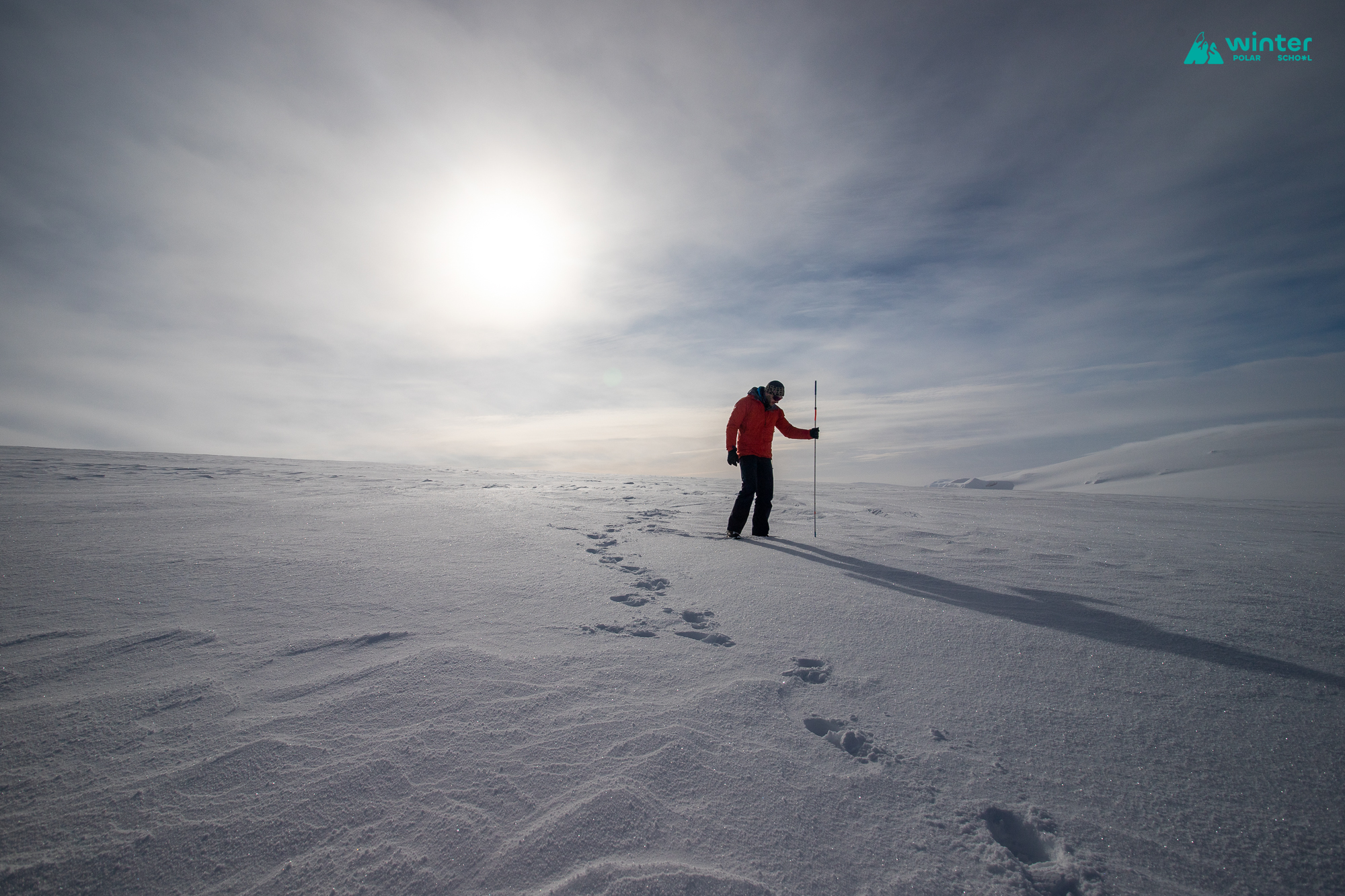
Saturday greets us with relentless rain. Despite the miserable conditions, we push through and manage to locate a few excellent sites under the Mt. Tungukollur, which is just 10 minutes drive from the campus —spots having nearly two meters of snow, a rare find in the area. These snow-rich spots become crucial for the workshops to come.
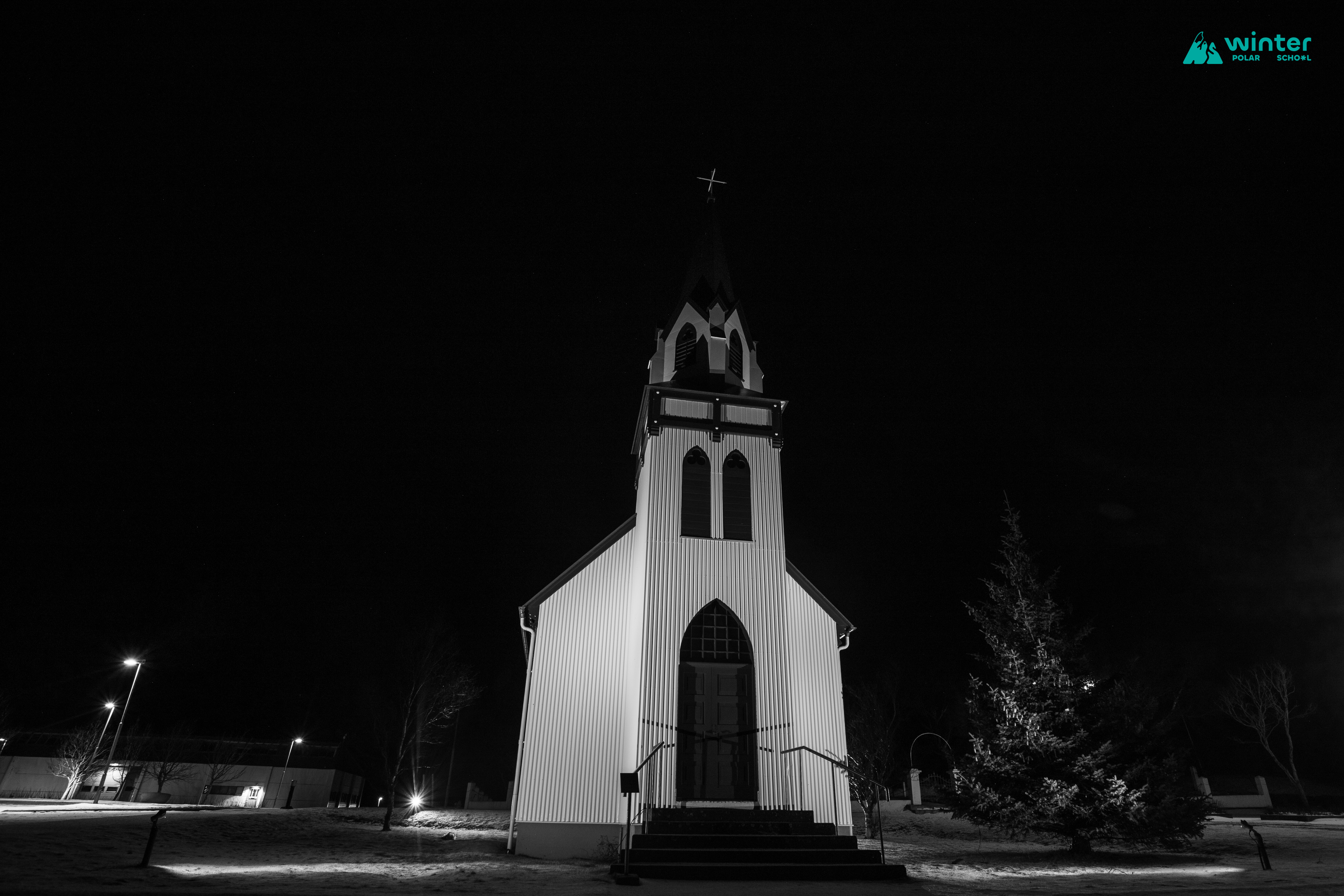
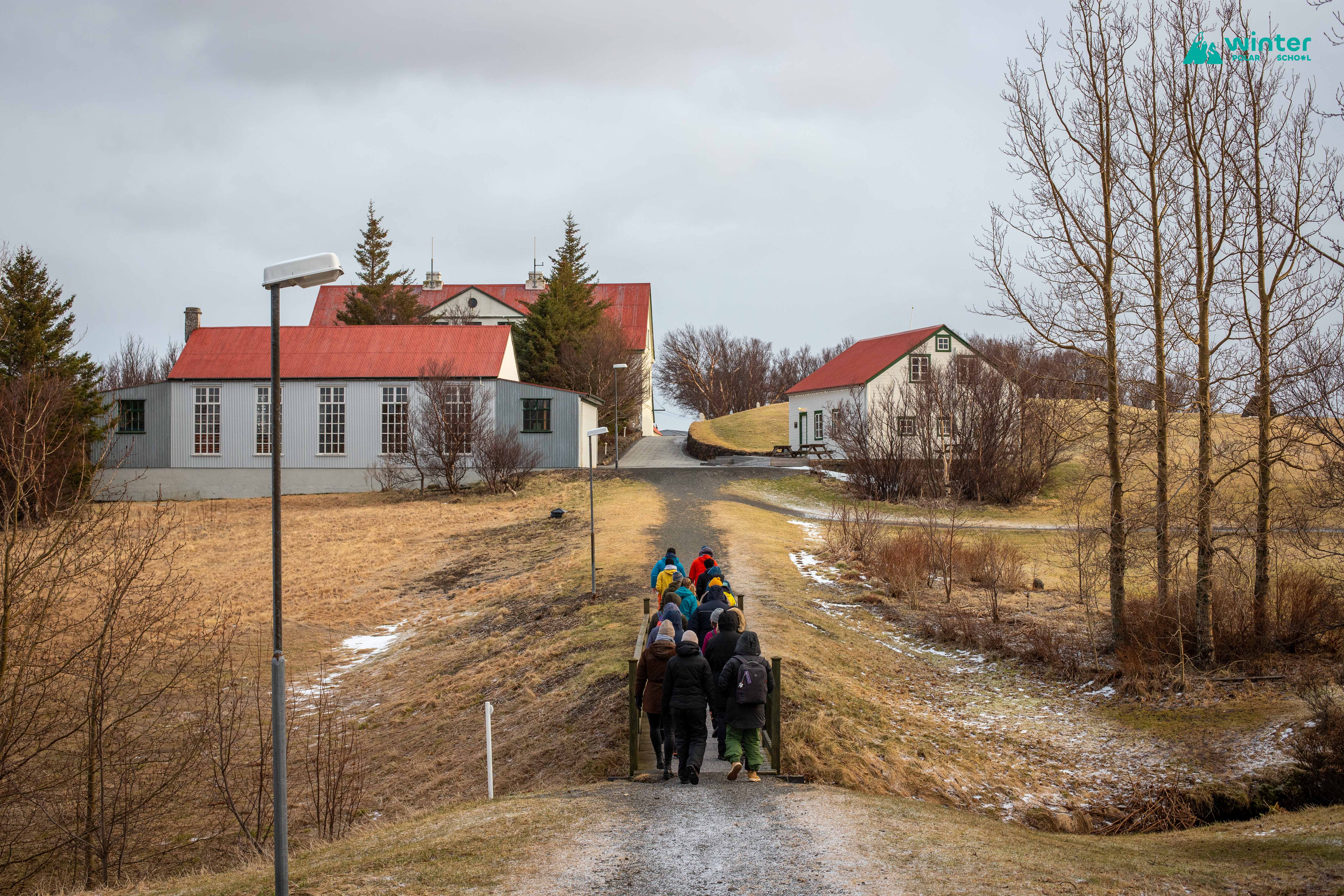
Welcome to Hvanneyri
By Sunday, March 2nd, students from 14 countries check into the dormitories. The Polar Winter School 2025 is officially underway. This is the second-ever Polar Winter School, organised by the Czech University of Life Sciences in Prague and this year with the new partner - Agricultural University of Iceland as a joint project of the Nordic Snow Network. We kick off with a warm welcome, a guided campus tour, and ice-breaking activities that instantly spark connections across cultures. The mix is diverse—25 students in total, with the largest groups coming from Czechia, Germany, Turkey, and the U.S., and single representatives from countries as far-flung as Bangladesh, Indonesia, and Luxembourg.
Winds and Hydropower
Monday opens with a safety briefing and a lecture from David Finger on Iceland's snow-fed hydropower system. After lunch, we explore the Andakílsá Hydropower Station, tucked away in the Andakill landscape, a region of great ecological and cultural value. Wind and sleet accompany us throughout the whole trip, but it’s worth it.
Evening lectures by Roman and Leena dive into snow microstructure—crystals types, depth of layers, and why snow matters so much more than just as winter fun. These lectures help students understand what they’ll later observe in snow pits and field trips.
Windy Tuesday
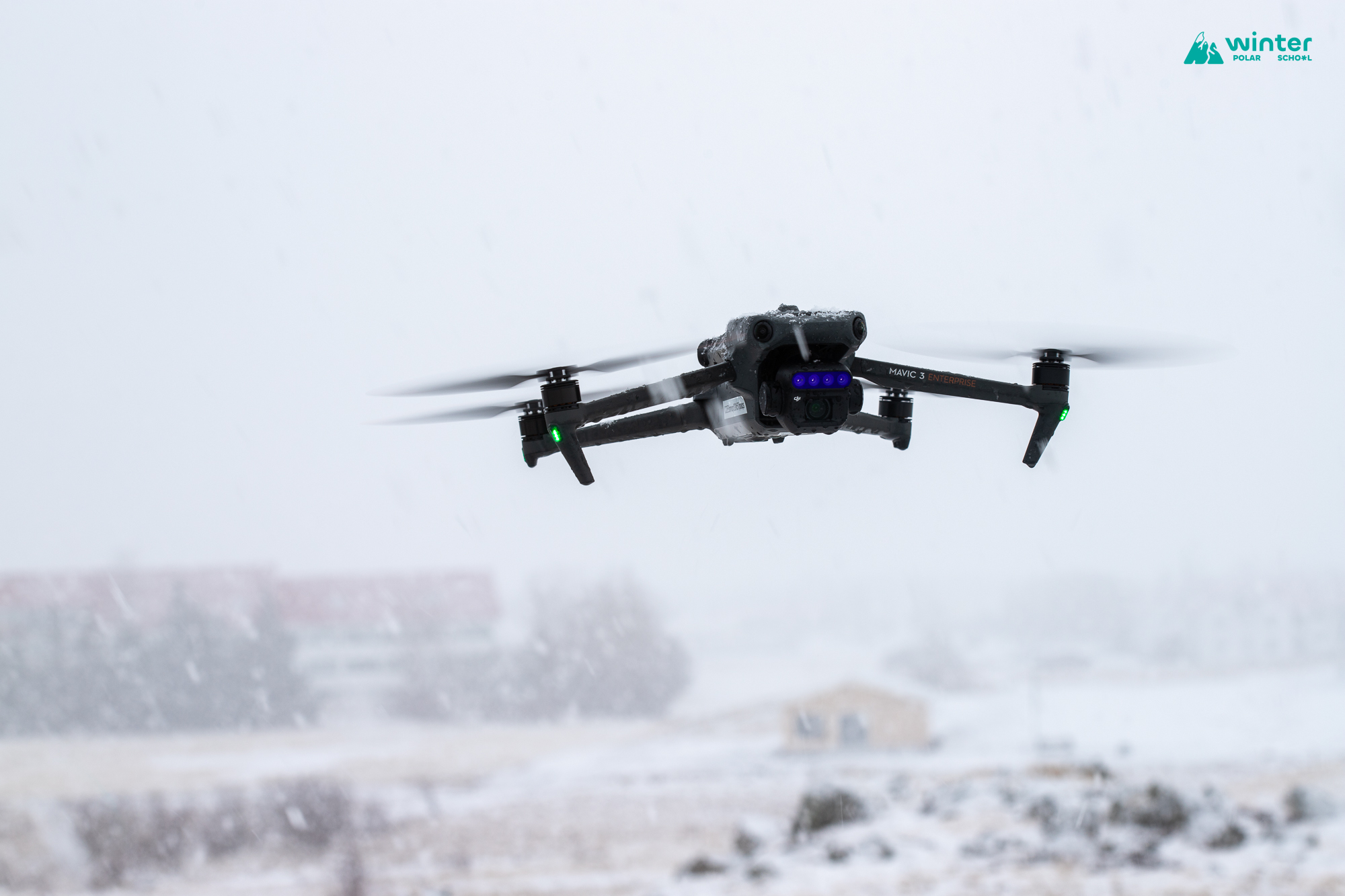
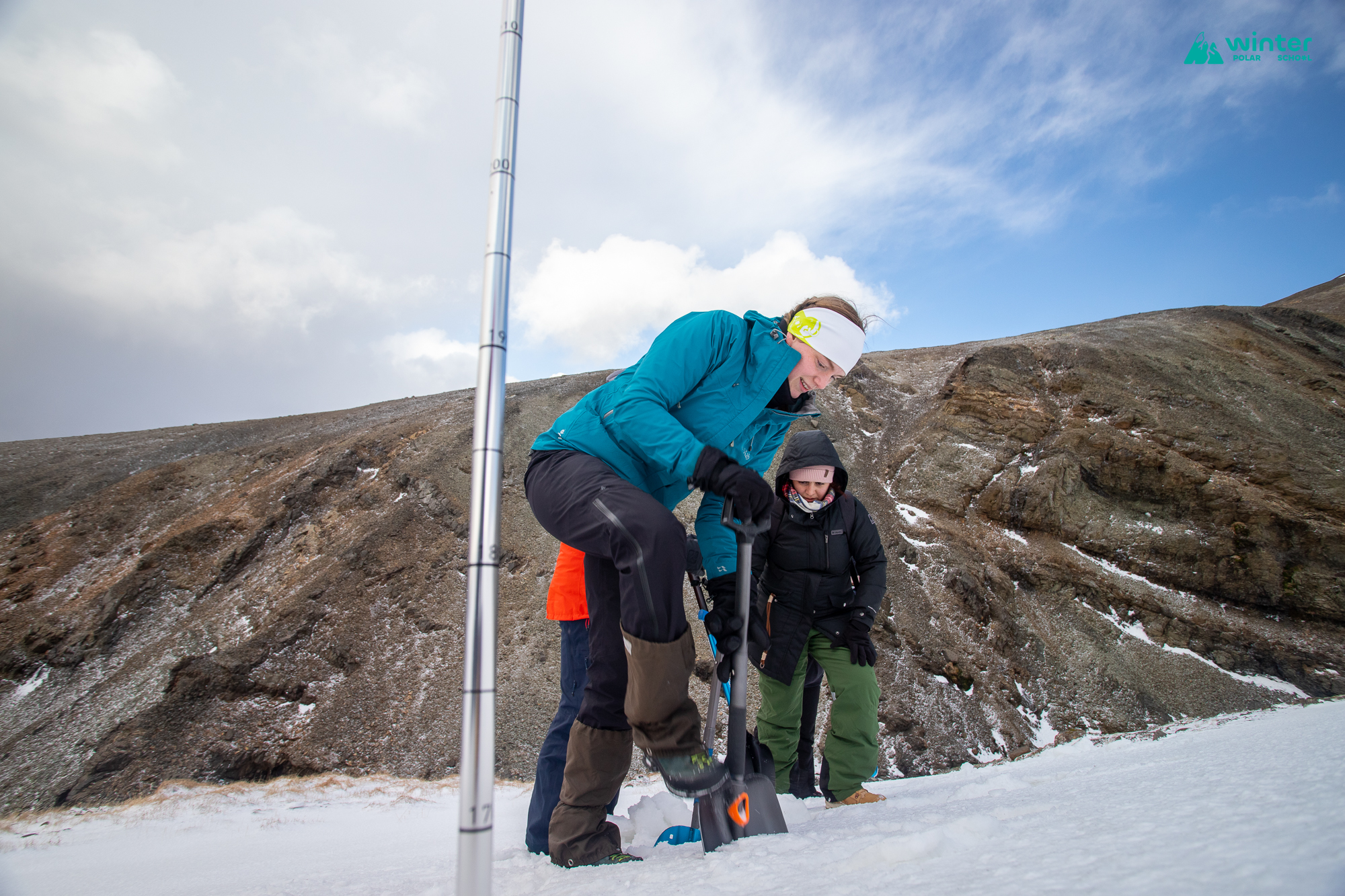
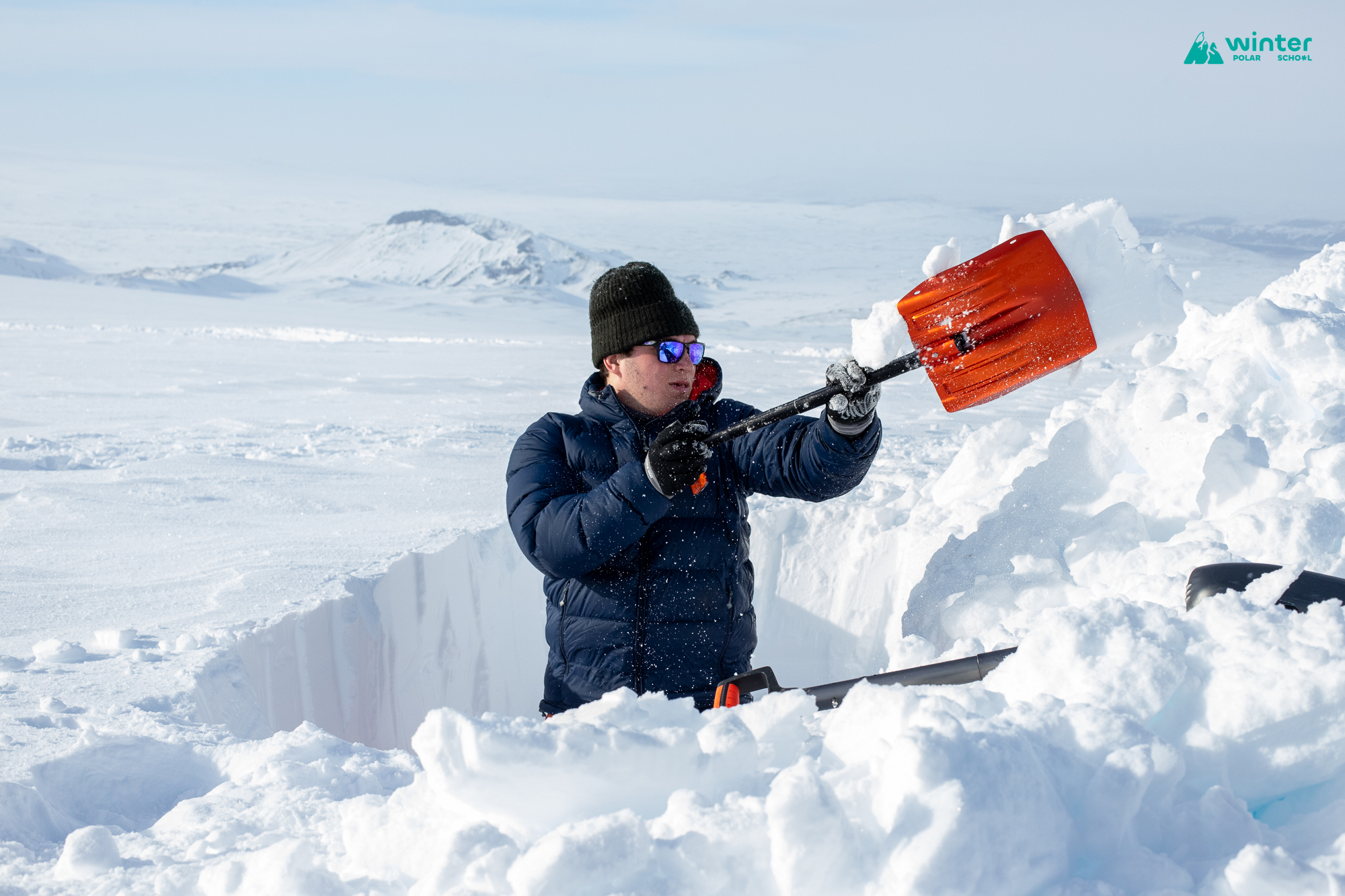
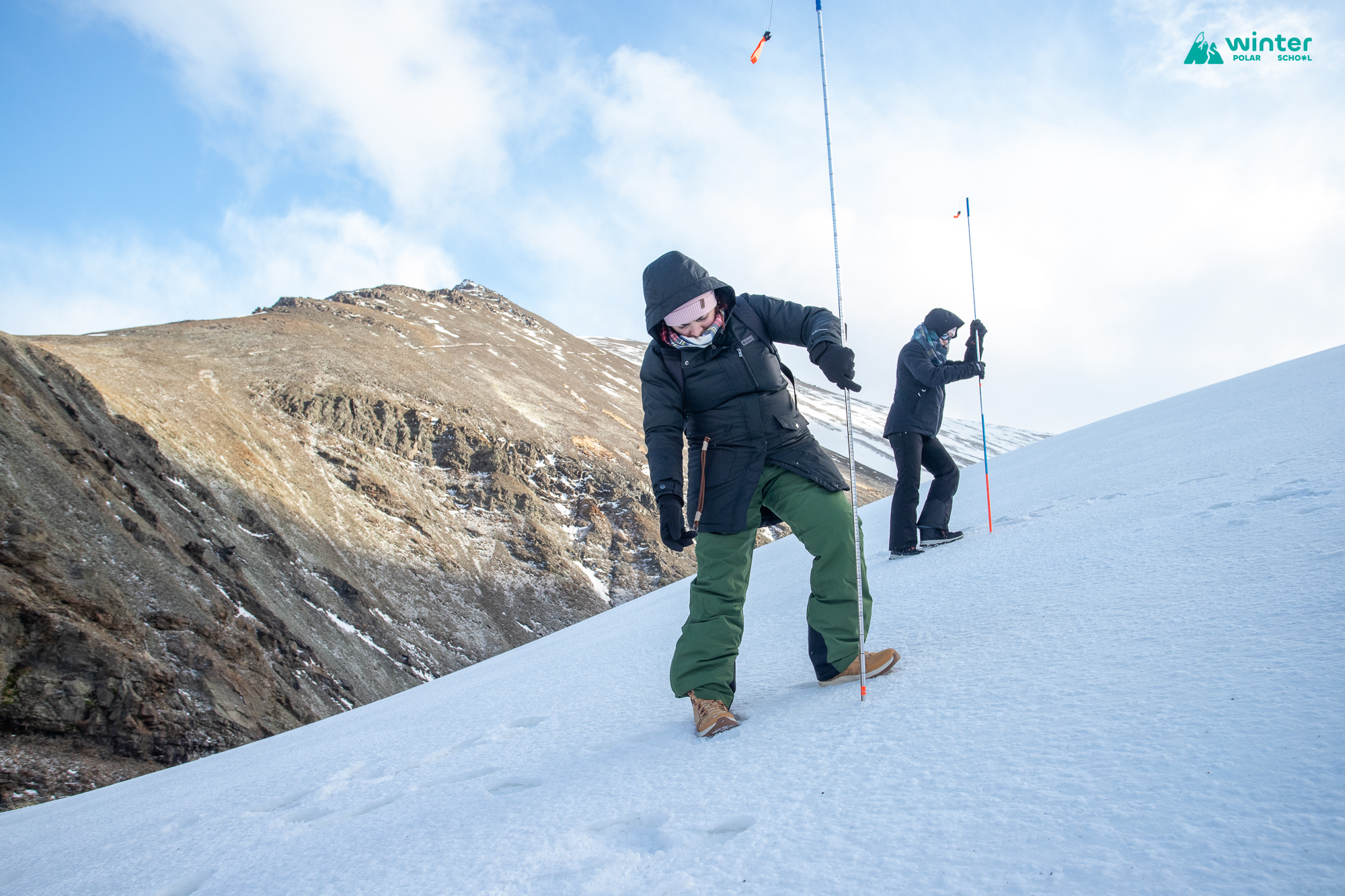
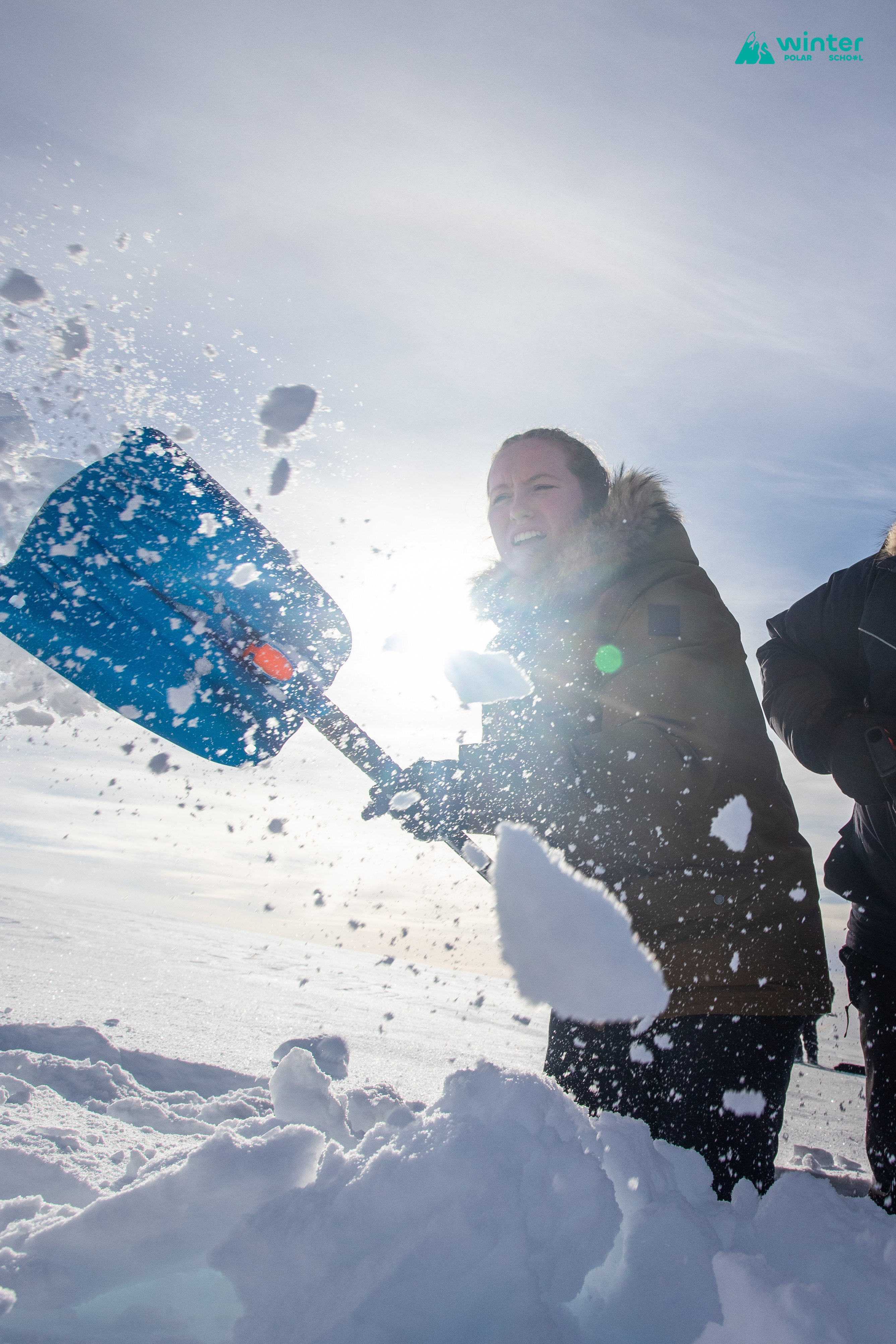
Students break into four rotating groups, and with shovels and measuring tools, they march into the wind. Unfortunately, winds are too strong for drone operations, grounding our remote sensing plans. Therefore, all student groups focus on snow pit analysis with Roman and Leena, and landscape energy planning with Daniele.
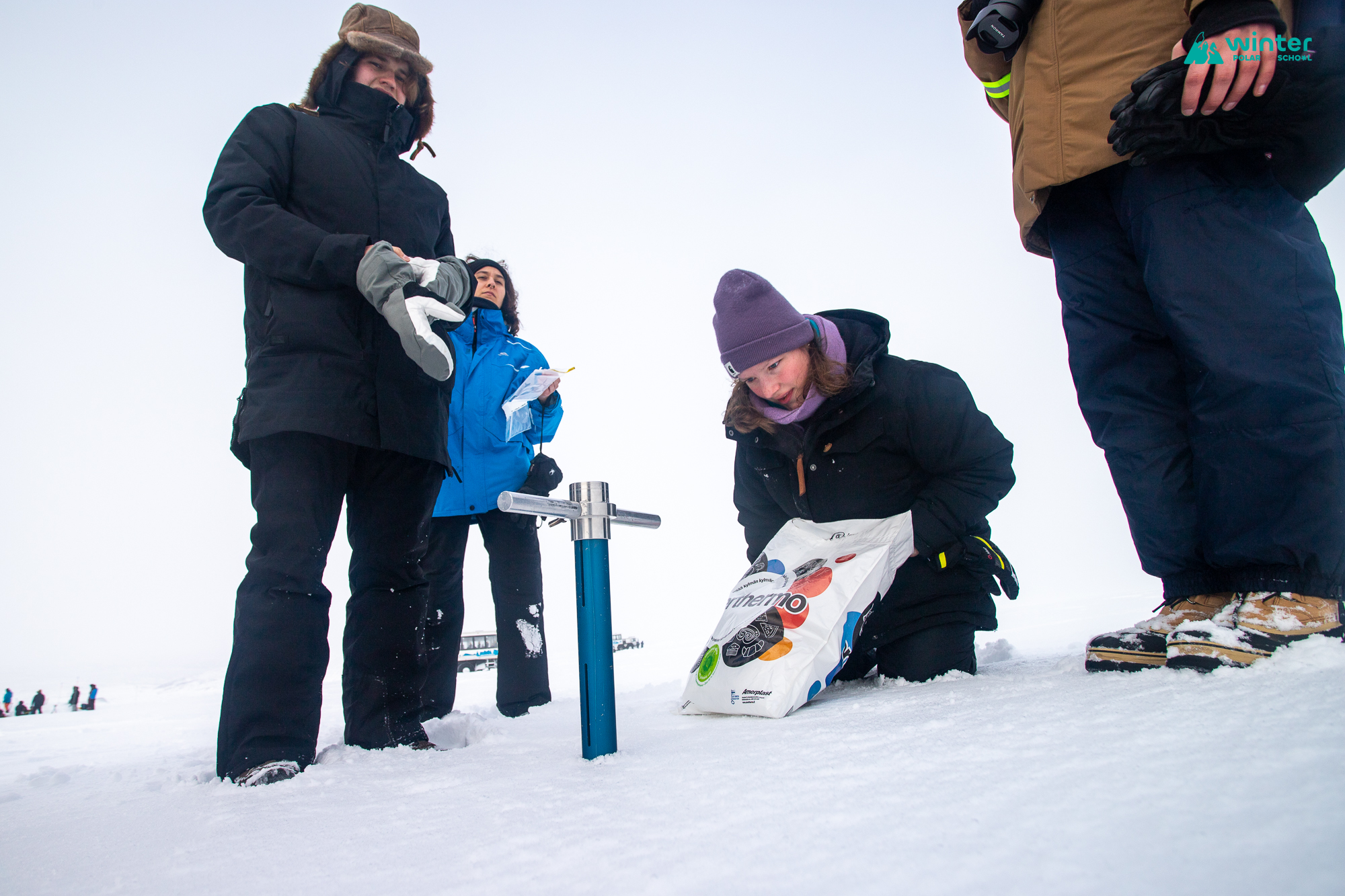
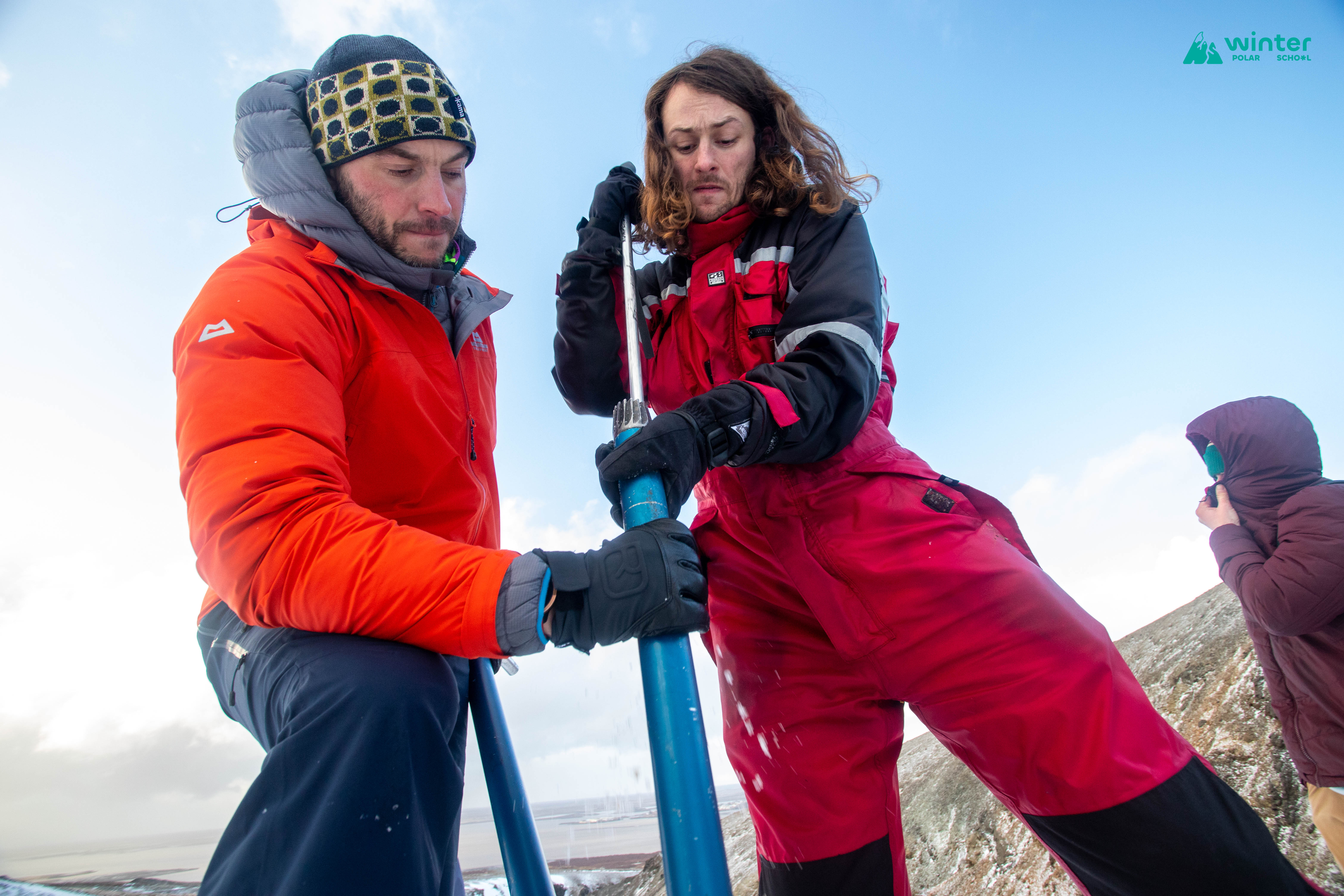
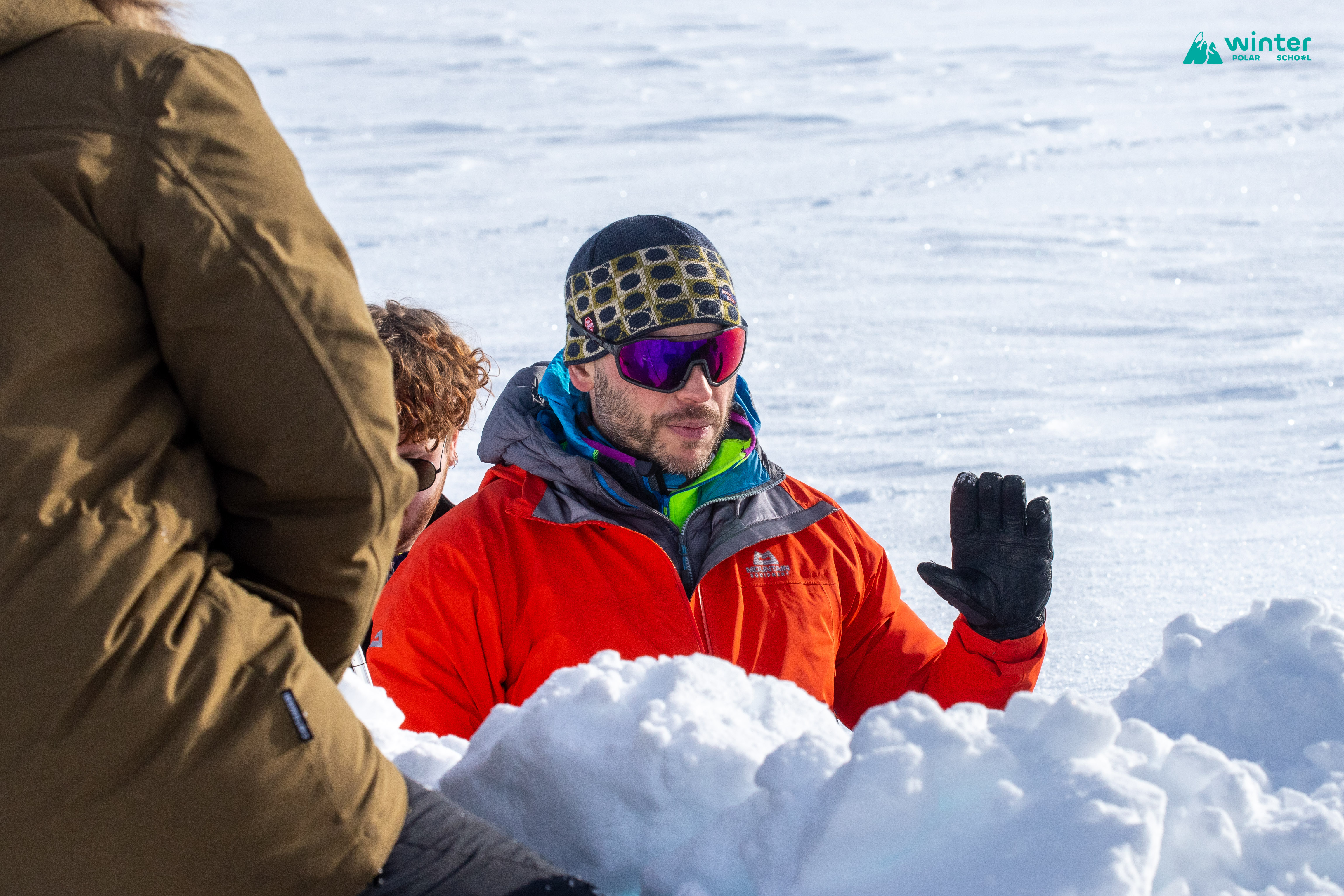
Roman and Leena lead the snow profile analysis, helping students recognize layers of snow like pages in a history book—each crystal formation tells a story of freezing temperatures, rain-on-snow events, and melt-freeze cycles. Landscape analysis brings new insight on how energy and infrastructure integrate into Iceland’s rugged terrain.
Evening lectures by Outi, Pavla, and Maria cover everything from aerosols in Arctic snow to the remarkable details of Icelandic soils and vegetation. Science continues to build, layer by layer.
Ice Caves and Hot Springs
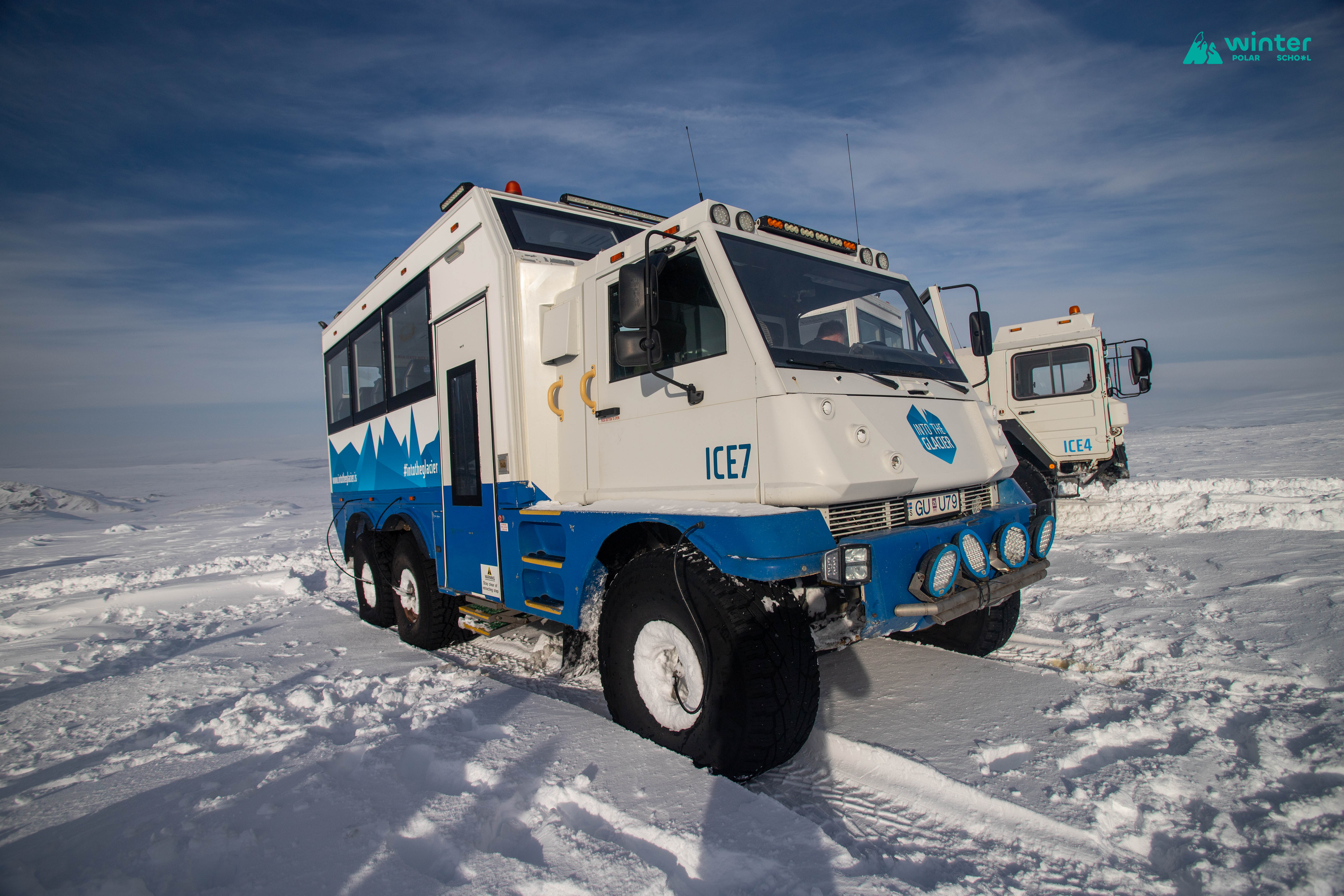
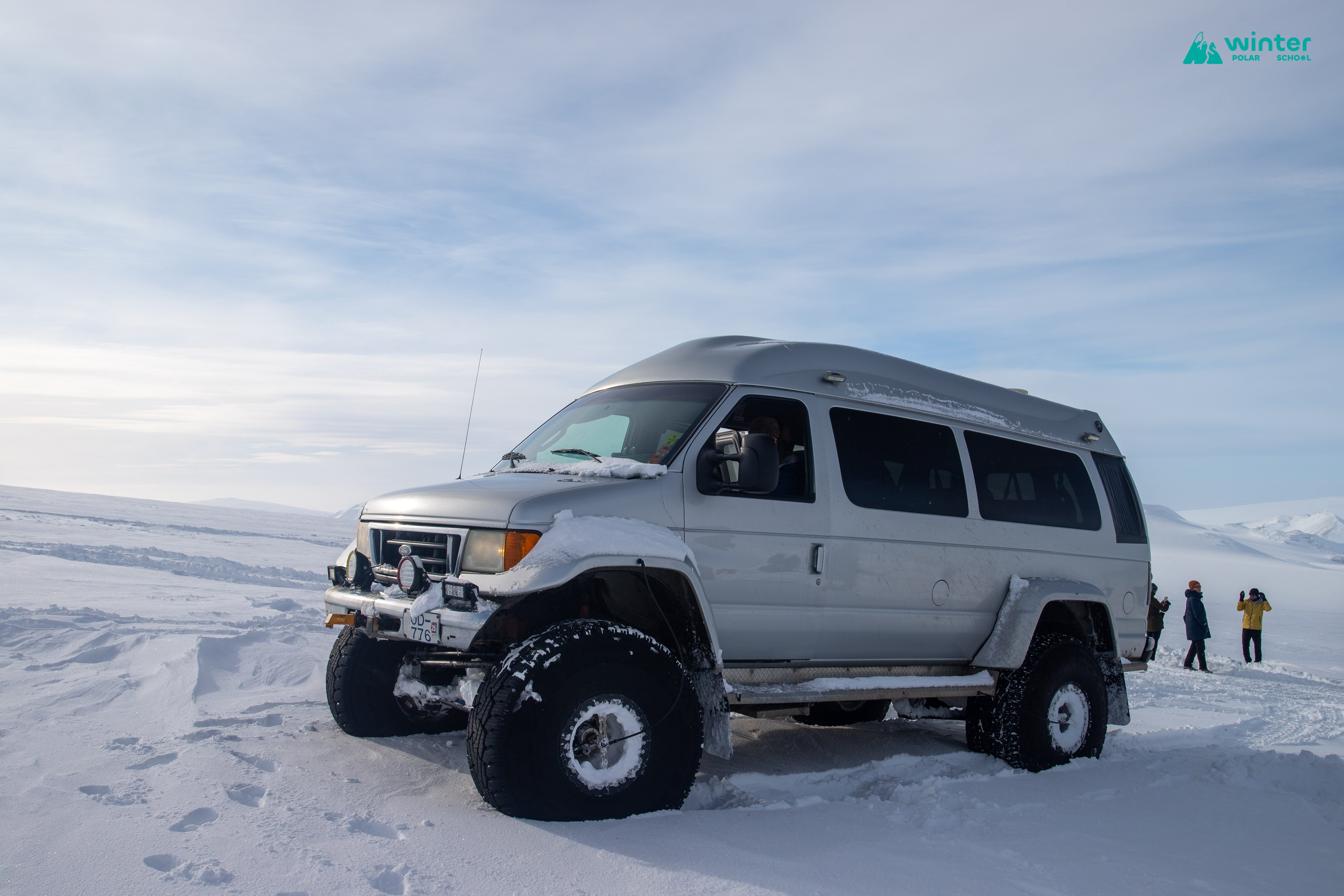
Wednesday is the much-anticipated glacier field trip. We travel to Langjökull, Iceland’s second-largest glacier, under thankfully improved weather. The views are breathtaking—glacial valleys, dramatic ridgelines, and snowfields that sparkle under rare patches of sunlight.
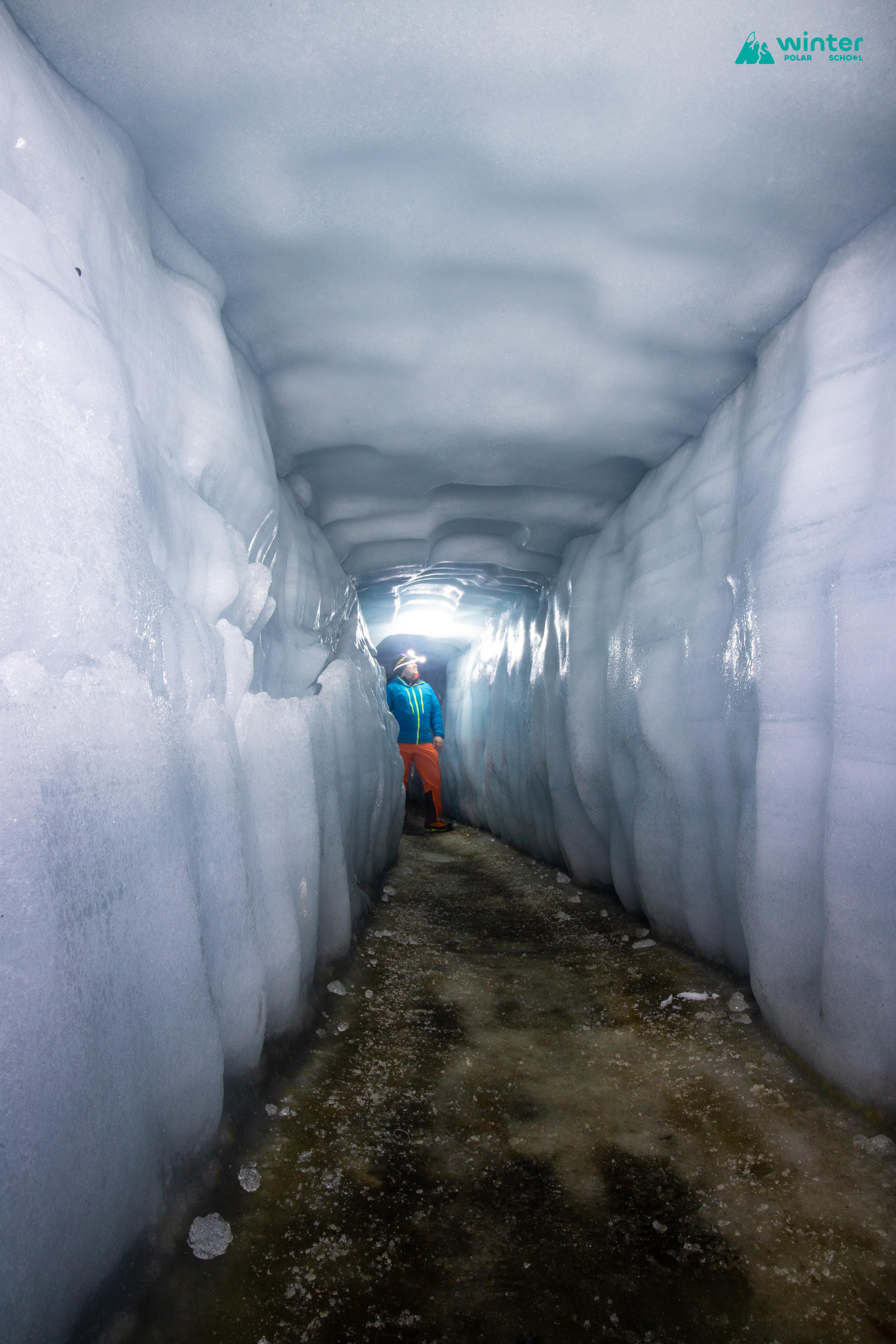
Inside the man-made ice cave, blue ice walls and narrow passages take us deeper into Iceland's chilling history. Outside the cave we collect snow profile data, examine the snowpack, and soak up the unique atmosphere—cold, quiet, and ancient.
The perfect finale to the long glacier day? A relaxing dip in the Lindin – Húsafell Geothermal Baths, where the group debriefs while bathing in naturally heated pools under open skies. Only few things in life beat the mixture of snow, science, and a hot spring.
UAVs and Air Pollution
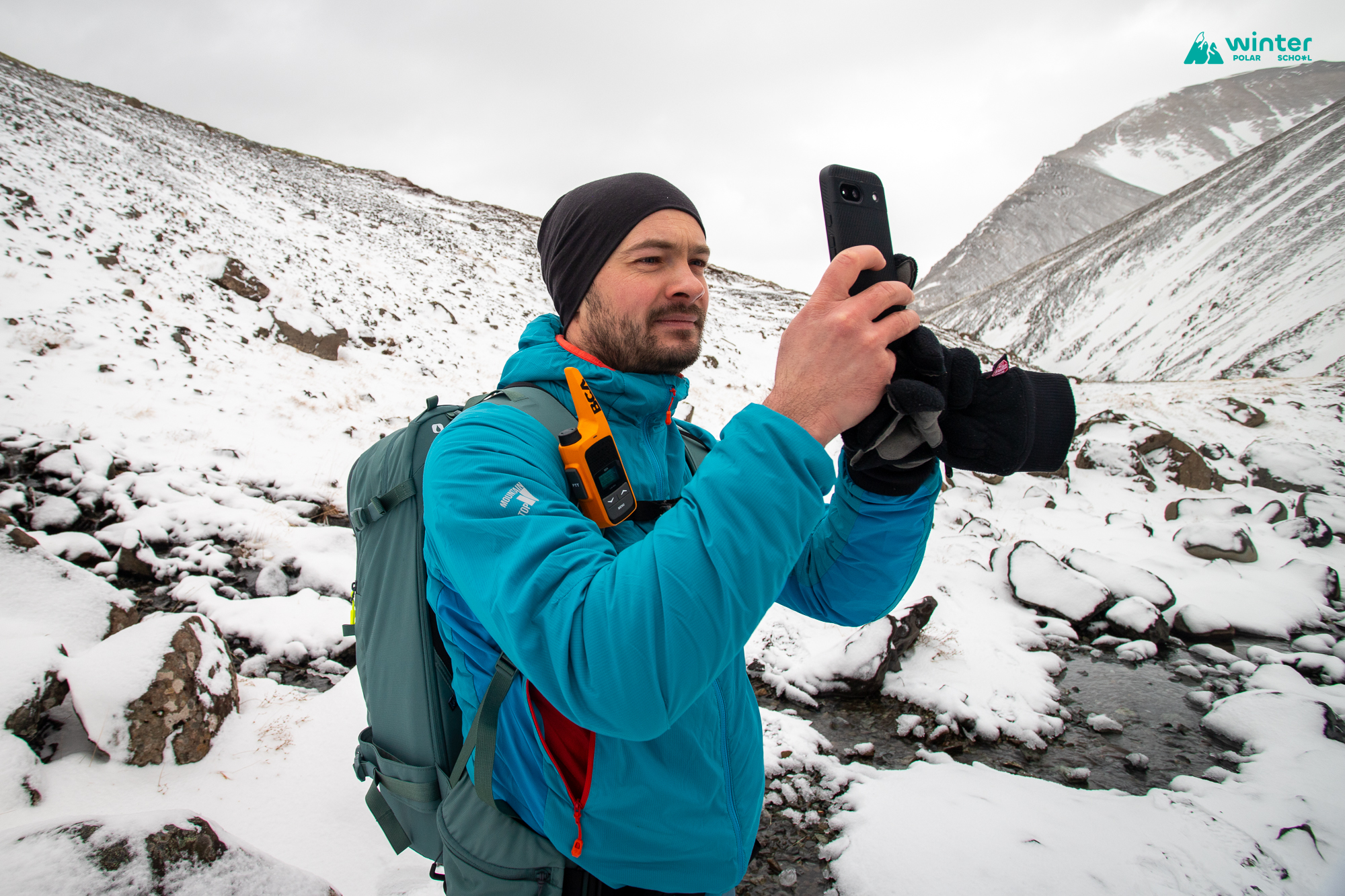
Thursday brings calm skies and opens the door to postponed UAV operations. Jan and Ingibjörg lead field exercises in drone mapping and mission planning, flight control, and topographic modeling. For many students, this is their first hands-on experience with drone-based data collection, and they take to it quickly.
Meanwhile, Pavla and Outi guide the air pollution team. Snow samples are collected to measure dust and black carbon concentrations. The focus is on how these impurities, which are tiny but mighty, reduce albedo and speed up melting, especially in sensitive glacial environments.
Evening lectures cover the capabilities of the Copernicus programme, drone radiometry, and broader cryosphere monitoring strategies by Ali.
Presentations and Farewell
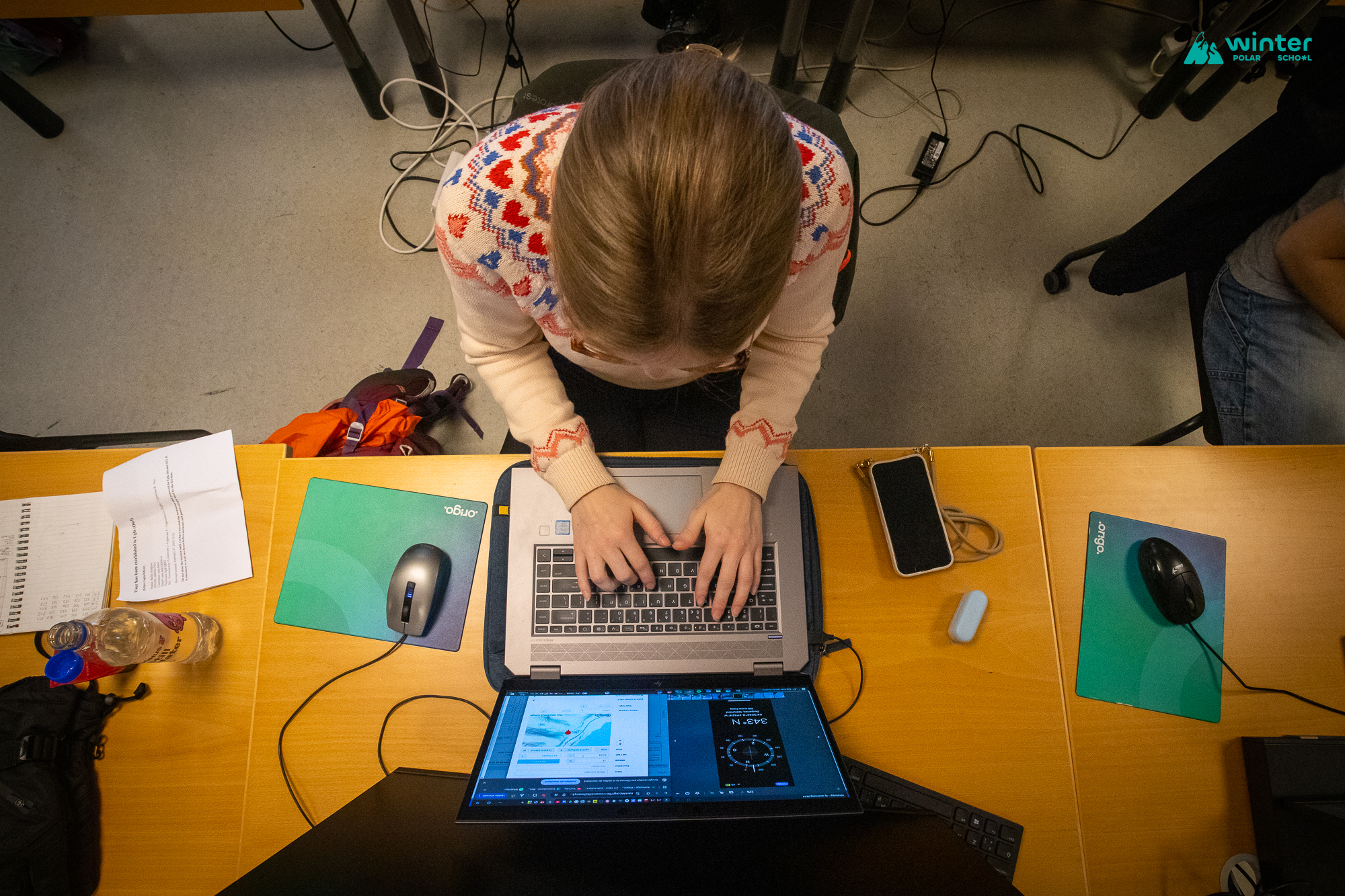
Friday is our final full day. The morning is spent analyzing field data—snow density measurements, pollutant concentrations, drone models. Students turn their results into presentations.
In the evening, instead of another round of lectures, we gather for a certificate ceremony and a small celebration. Each group of students presents their results, which summarise their weekly efforts, to an international audience. Applause and laughs punctuate the evening, along with a few heartfelt goodbyes.
Departure and Reflections
Saturday is mostly about departures. Luggages are packed, goodbyes exchanged, and the quiet of Hvanneyri slowly returns. The week was intense, but meaningful. Friendships were formed, skills developed, and minds opened to the complex dynamics shaping our polar regions.
Acknowledgements
We want to thank all our partners and supporters who made the Polar Winter School possible:
- Erasmus+ Blended Intensive Programme
- European Geosciences Union (EGU)
- UArctic Thematic Network on High Latitude Dust (HLD)
- Summit Trade
- K2 SNOW CZ
Special thanks to our exceptional lecturers: Roman, Leena, Pavla, Outi, Ali, Jan, Ingibjörg, David, Daniele, Maria, and Vojtěch—your expertise and enthusiasm made this week unforgettable.
Until Next Time
Whether in Iceland, Svalbard, or beyond, the Polar Winter School will return. Until then, we encourage our students to stay curious, keep exploring, and continue the work of understanding and protecting our nordic areas.
Enjoy the video created by Belle Holthuis