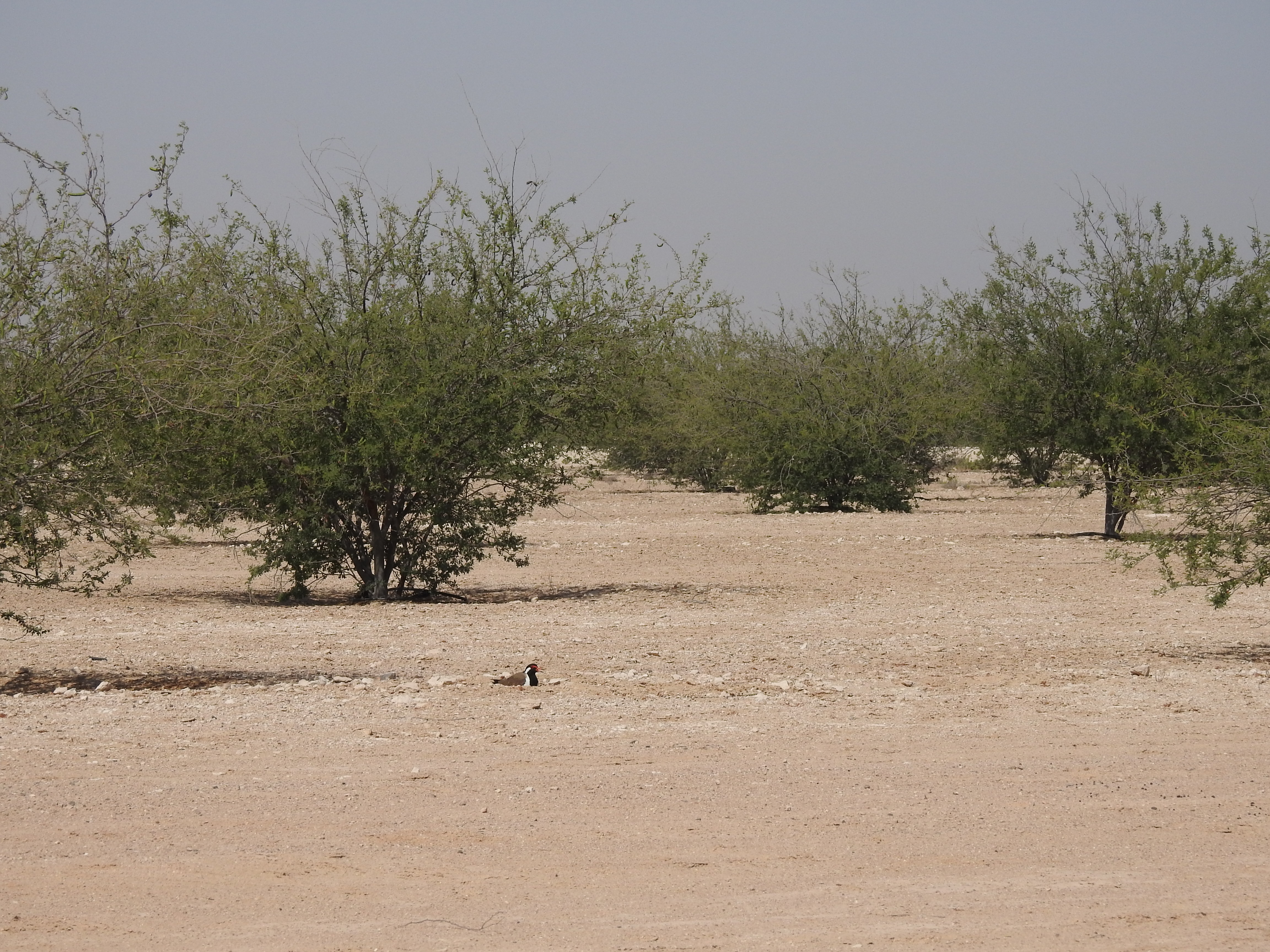
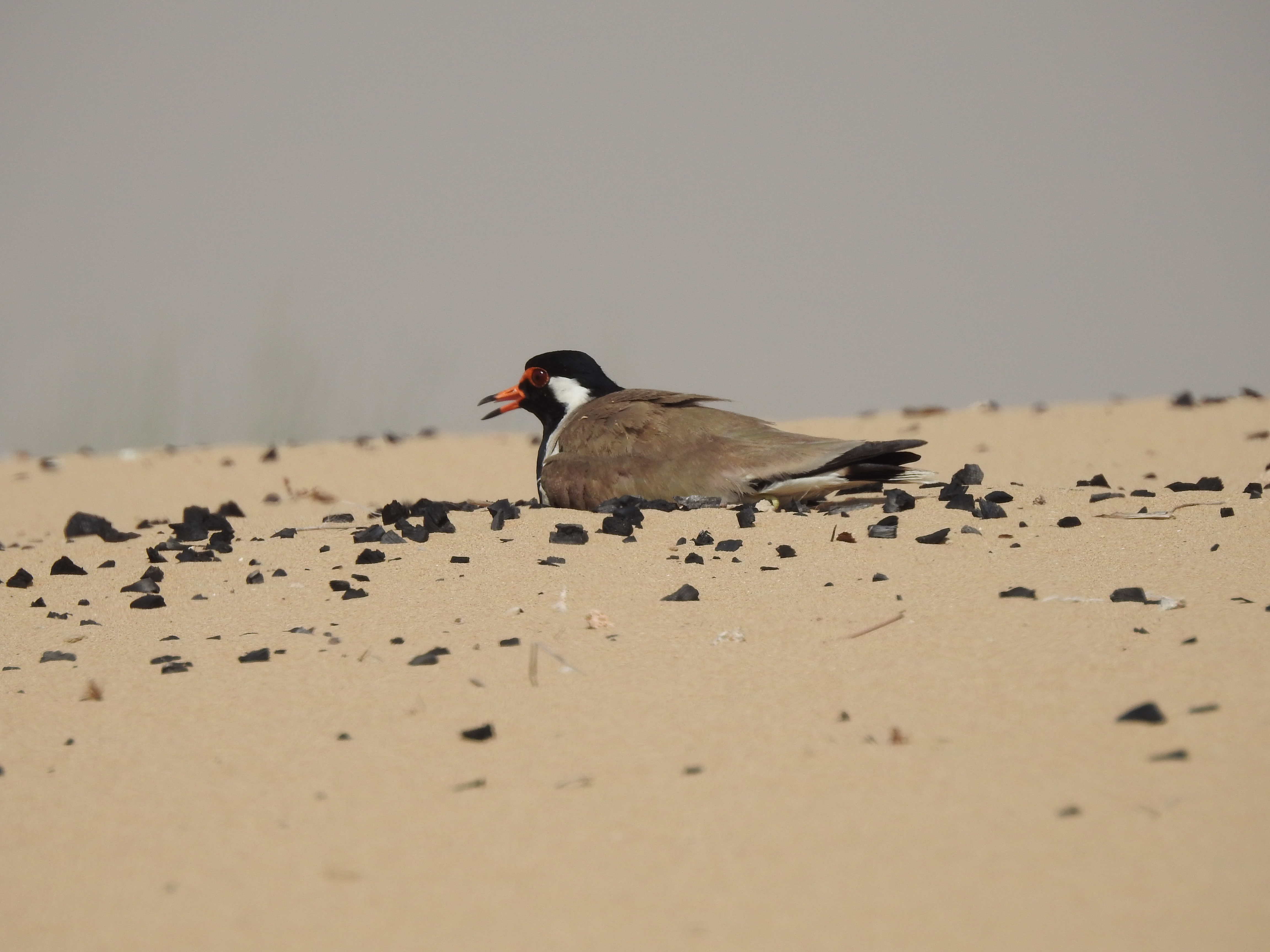
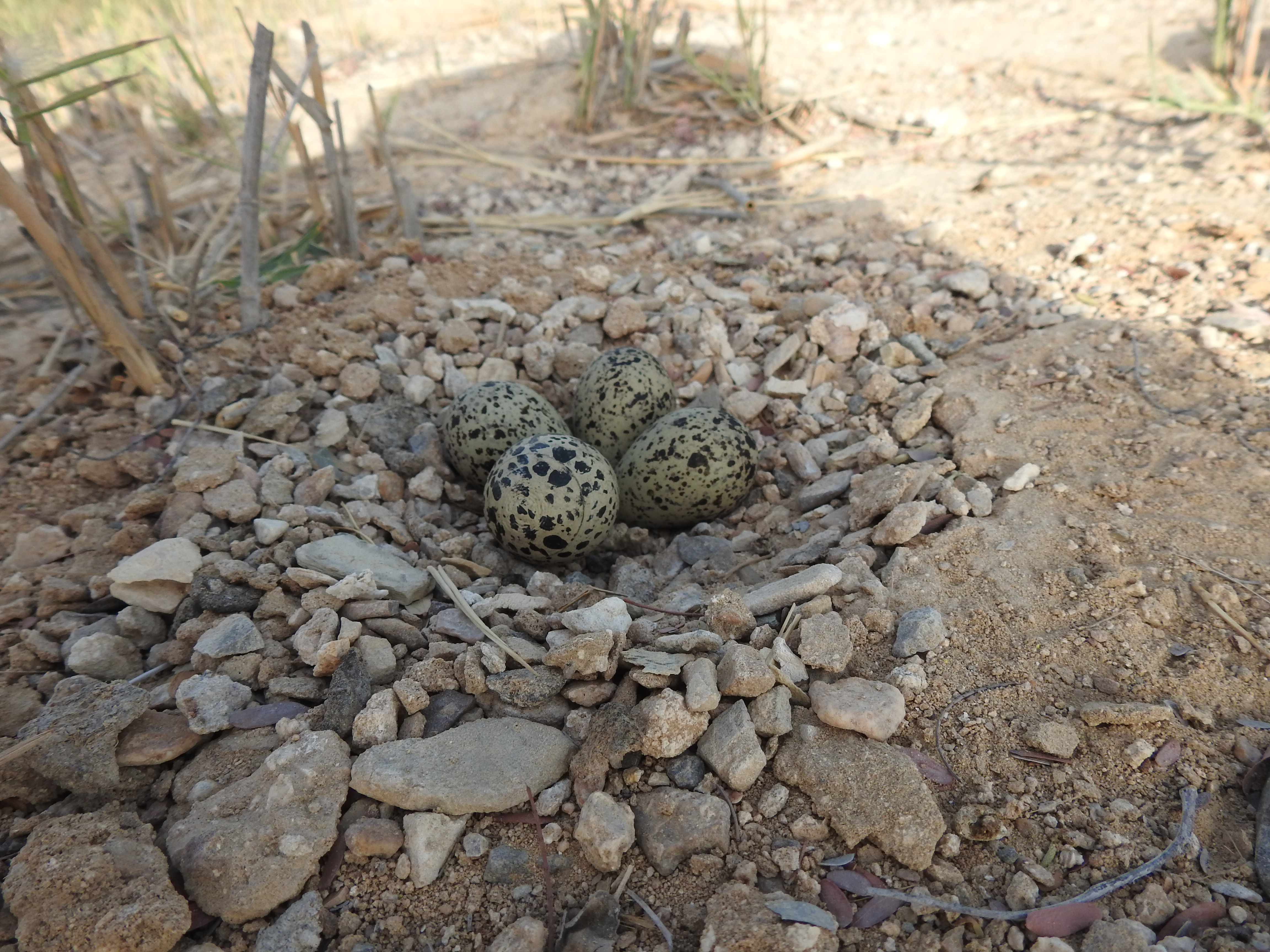
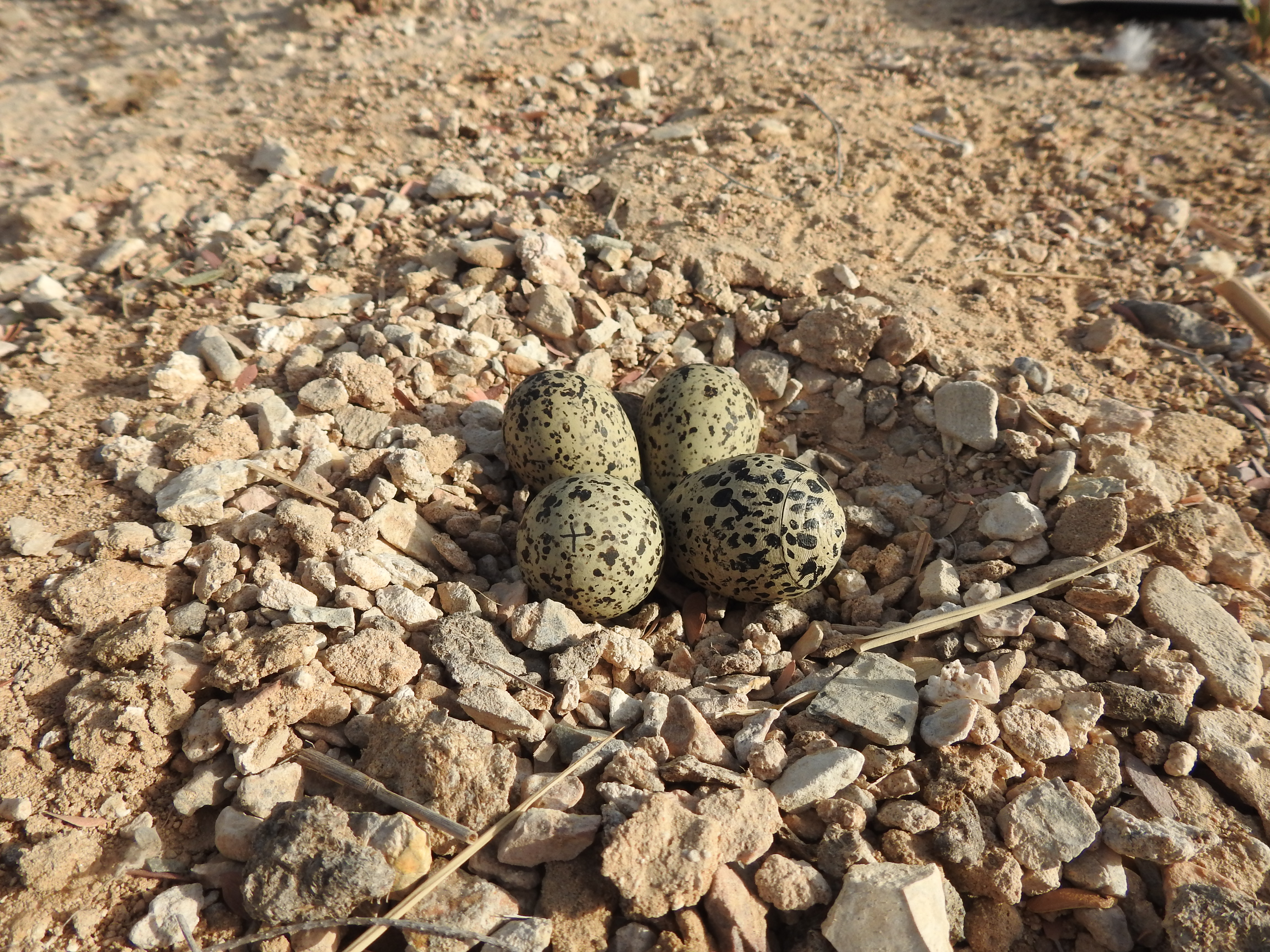
While the primary goal of avian parental behaviour at the nest revolves around maintaining optimal conditions for embryo development, it frequently exhibits rhythmic patterns influenced by external factors. Along with the more thoroughly examined parameter of incubation temperature, the role of egg turning in shaping embryo development has been comparatively understudied. Moreover, while the majority of studies have been conducted in temperate climates, the dynamics of egg turning in subtropical regions remain largely unexplored. Within this study, we focused on the rhythmic patterns of egg turning in the ground-nesting red-wattled lapwing, Vanellus indicus, inhabiting the hot Arabian desert. Employing an egg logger equipped with an accelerometer and magnetometer, we continuously recorded egg movements throughout various stages of incubation, spanning from the first egg laid to hatching. Our comprehensive analysis unveiled a diurnal rhythmicity of egg turning, using the sum of angular changes per hour, with higher intensity during the day compared to night, and an ultradian rhythm characterized by two prominent peaks occurring around 0700 and 1800 hours. Interestingly, we observed no direct correlation with ambient temperature; however, the rhythmicity of egg turning was affected by predation risk mediated by day–night alternation and nest site selection, with less nocturnal egg turning within less secure mainland nests compared to more secure island nests. We showed that egg turning occurs even before clutch completion and that the sum of angular changes per hour increases throughout the incubation period. As the effect of the incubation stage is inconsistent across studies, it requires further investigation. Although we might expect constant embryonic demands throughout incubation in birds, the parental behaviour associated with egg turning in ground-nesting species in the subtropics is clearly diel rhythmic and shaped by external factors, such as predation risk.
Pešková L., Sládeček M., Brynychová K., Chajma P., Kolešková V., Elhassan E., Bilal M. & Šálek M. 2024: Egg turning in a subtropical shorebird has a diel rhythmicityand is affected by predation risk. Animal Behaviour, 213, 125-137.
Link: https://www.sciencedirect.com/science/article/pii/S0003347224001283