
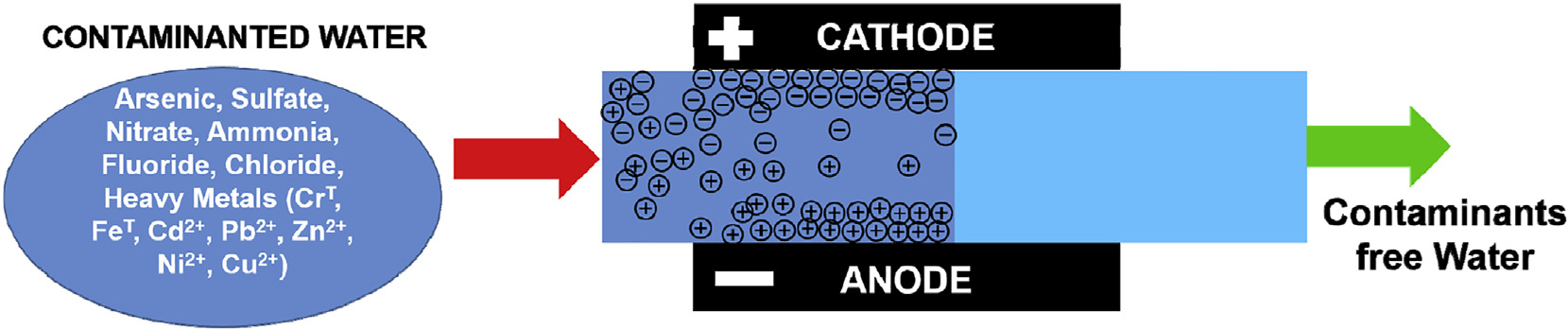
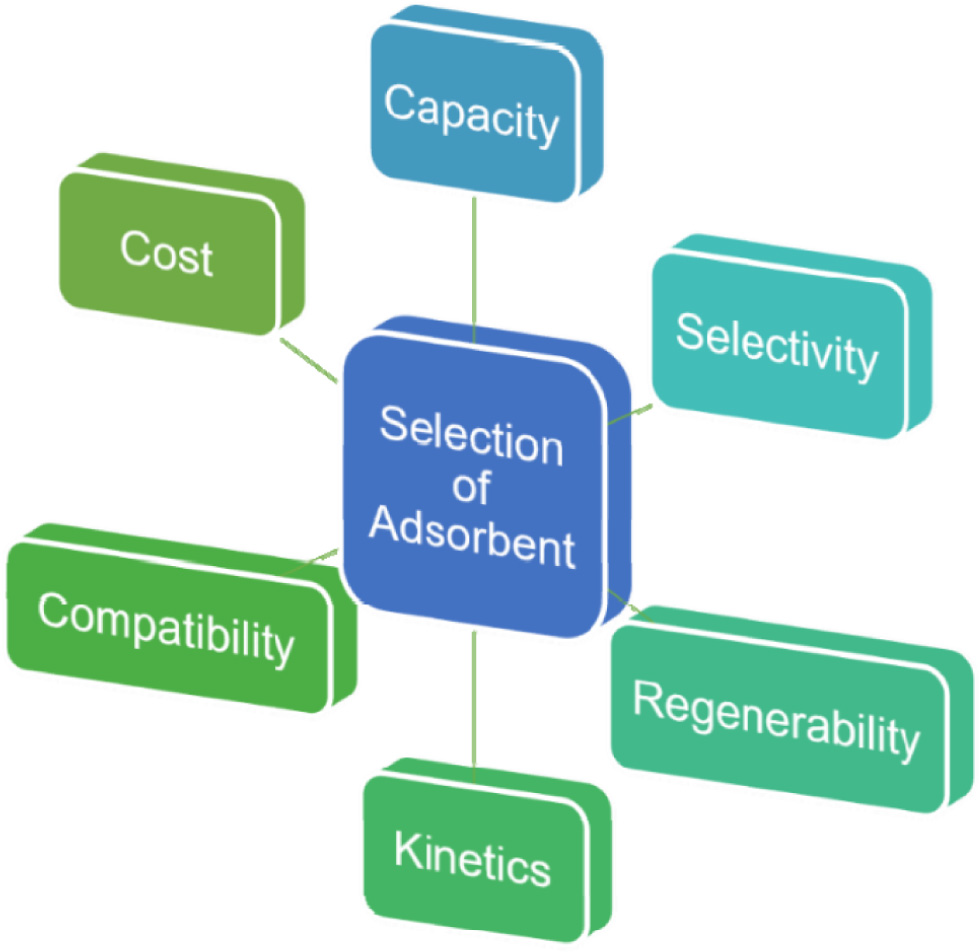
Providing drinking water with safe arsenic levels in Latin American (LA) countries (a total of 22 countries) is a major current challenge. Arsenic's presence in water has been neglected for many decades since it was first reported ~100 years ago in Argentina. The major arsenic source in this region is geogenic. So far, arsenic has been reported in 15 LA countries. Arsenic concentrations in drinking water have been reported up to N200 fold (2000 µg/L) the WHO limit of 10 µg/L. About 14 million people in the arsenic affected LA countries depend on contaminated water characterized by N10 µg/L of arsenic. Low-cost, easy to use, efficient, and sustainable solutions are needed to supply arsenic safewater to the rural and peri-urban population in the affected areas. In the present study, N250 research articles published on various emerging technologies used for arsenic remediation in rural and peri-urban areas of LA countries are critically reviewed. Special attention has been given to arsenic adsorption methods. The manuscript focuses on providing insights into low cost emergent adsorbents with an implementation potential in Latin America. Natural, modified and synthetic adsorbents used for arsenic decontamination were reviewed and compared. Advantages and disadvantages of treatment methods are summarized. Adsorbent selection criteria are developed. Recommendations concerning emerging adsorbents for aqueous arsenic removal in LA countries have also been made.
Kumar R., Patel M., Singh P., Bundschuh J., Pittman, Jr. C.U., Trakal L., Mohan D., 2019. Emerging technologies for arsenic removal from drinking water in rural and peri-urban areas: methods, experience from, and options for Latin America. Science of the Total Environment 694, 133427. DOI: 10.1016/j.scitotenv.2019.07.233
Read the paper here.