
The aim of the project "Global Cd and Pb isotope signal in the Pan-Arctic: influence of local and distant sources" is to define Pb, Cd signals dominating in the Pan-Arctic. We will combine more conservative and newer non-traditional isotope systems (Pb, Sr, Nd and Cd) to distinguish between regional, crust derived, anthropogenic, local and distant sources of pollutants.
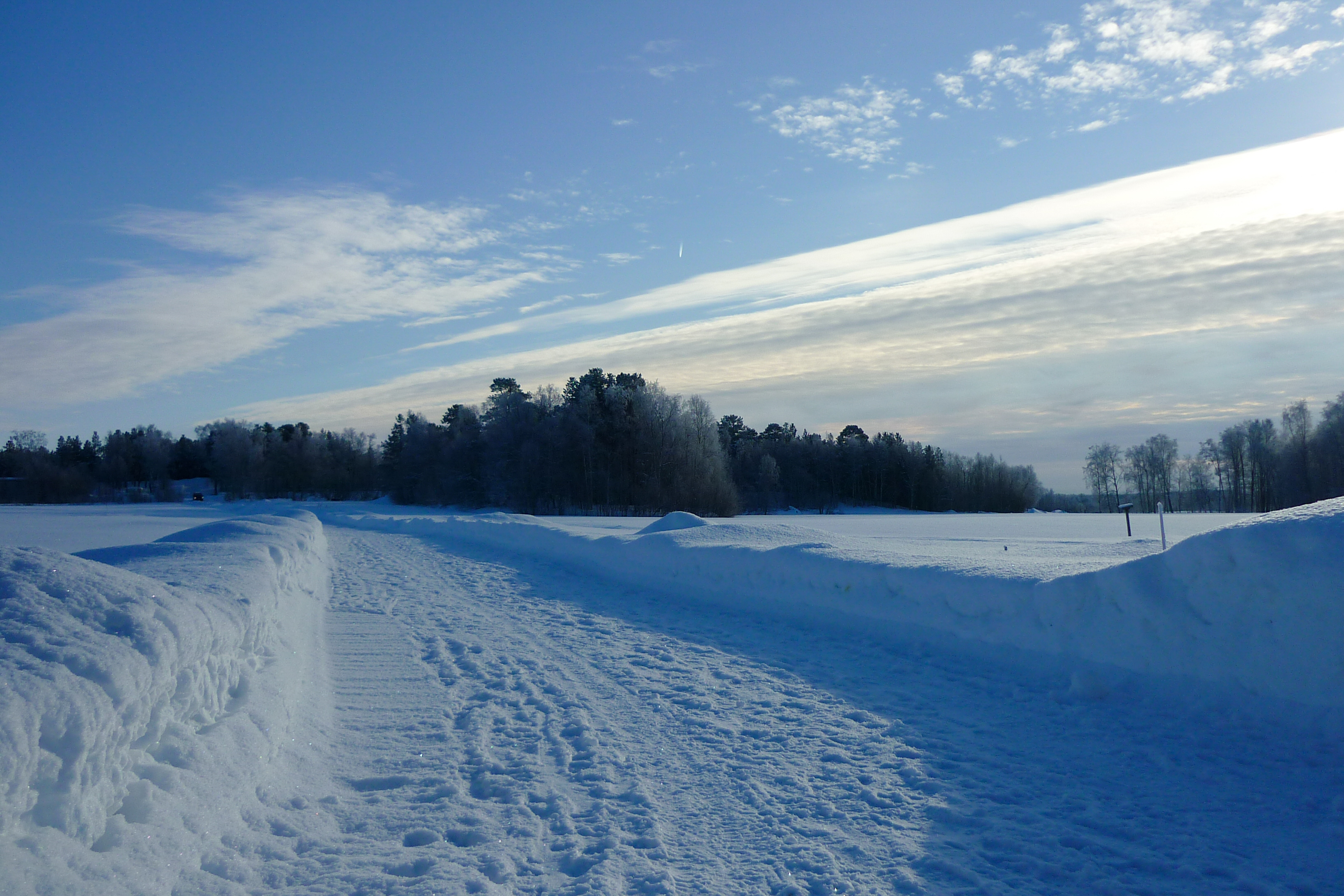
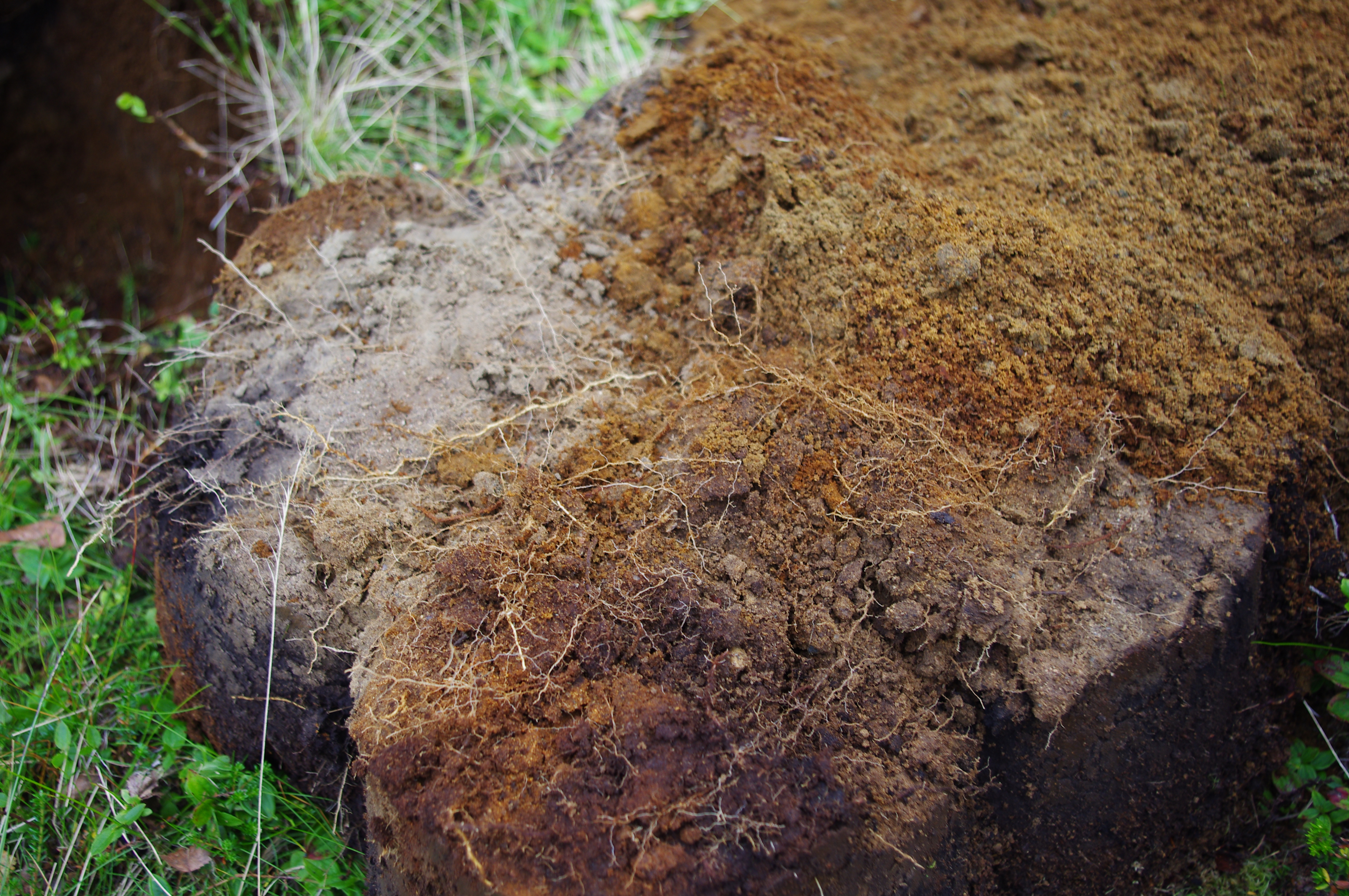
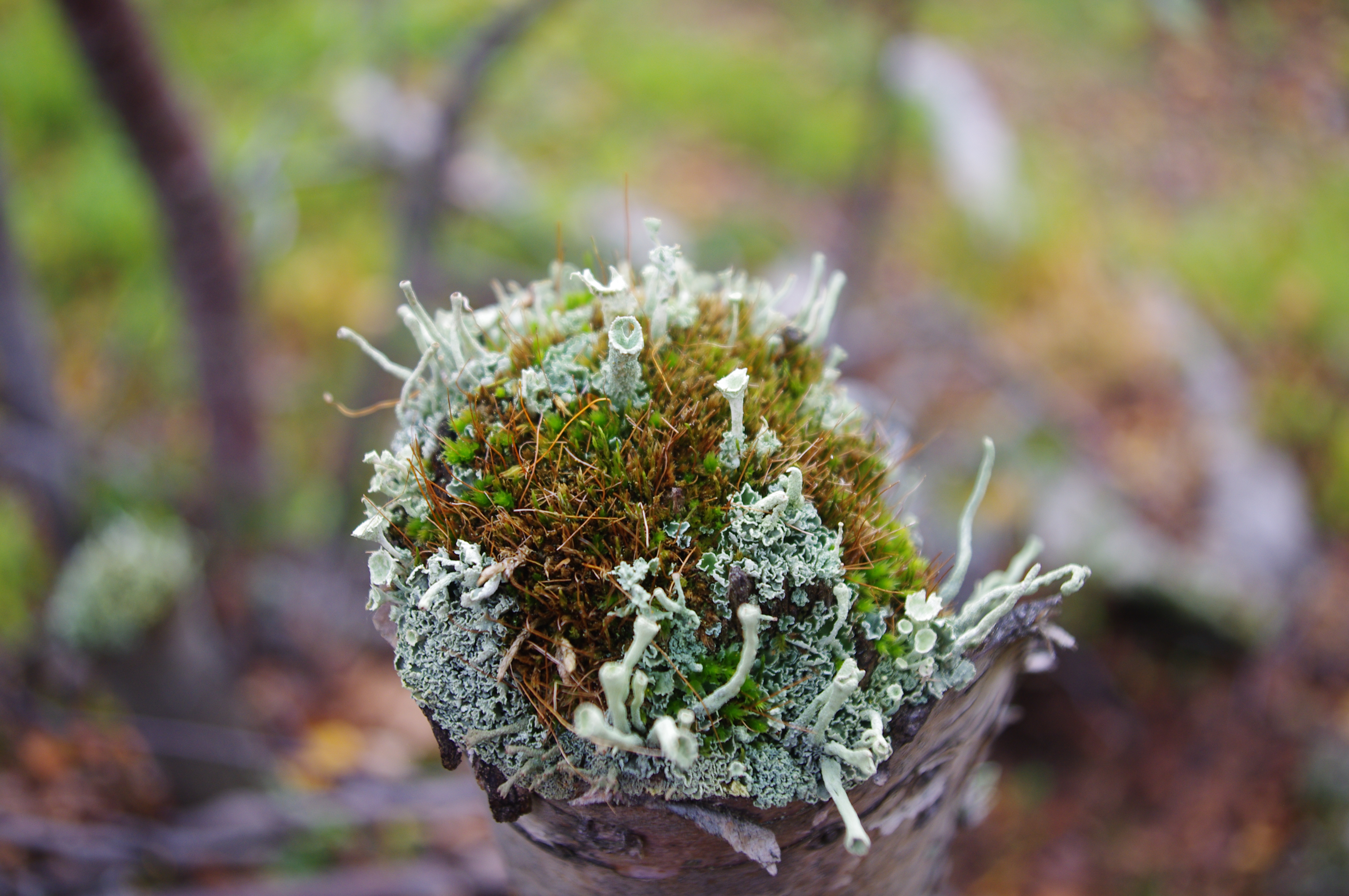
Stable metal isotopes are a promising tool for identifying sources of metal pollution on a local and global scale. Cadmium and Pb are environmentally relevant metals reflecting a contrasting geochemical behavior. In the last three decades, Pb isotope systematics were intensively studied, but recent data after implementation of air pollution regulations are missing. In this context no systematic research on Cd data has been performed. In this project, we propose to define Cd, Pb isotope signals dominating in the Northern Hemisphere and its historical development. We will sample 11 sites around the Arctic Circle where we will collect snow samples, soils, lichens and gasoline and diesel from local sources. The snow sampling campaign will be performed at all sites simultaneously. We will combine traditional radiogenic isotope systems (Sr, Nd) with Pb and Cd isotopes to distinguish between regional, crust derived, anthropogenic and local and more distant sources of Pb and Cd in the Pan-Arctic.