Neutrons from space help monitor drought
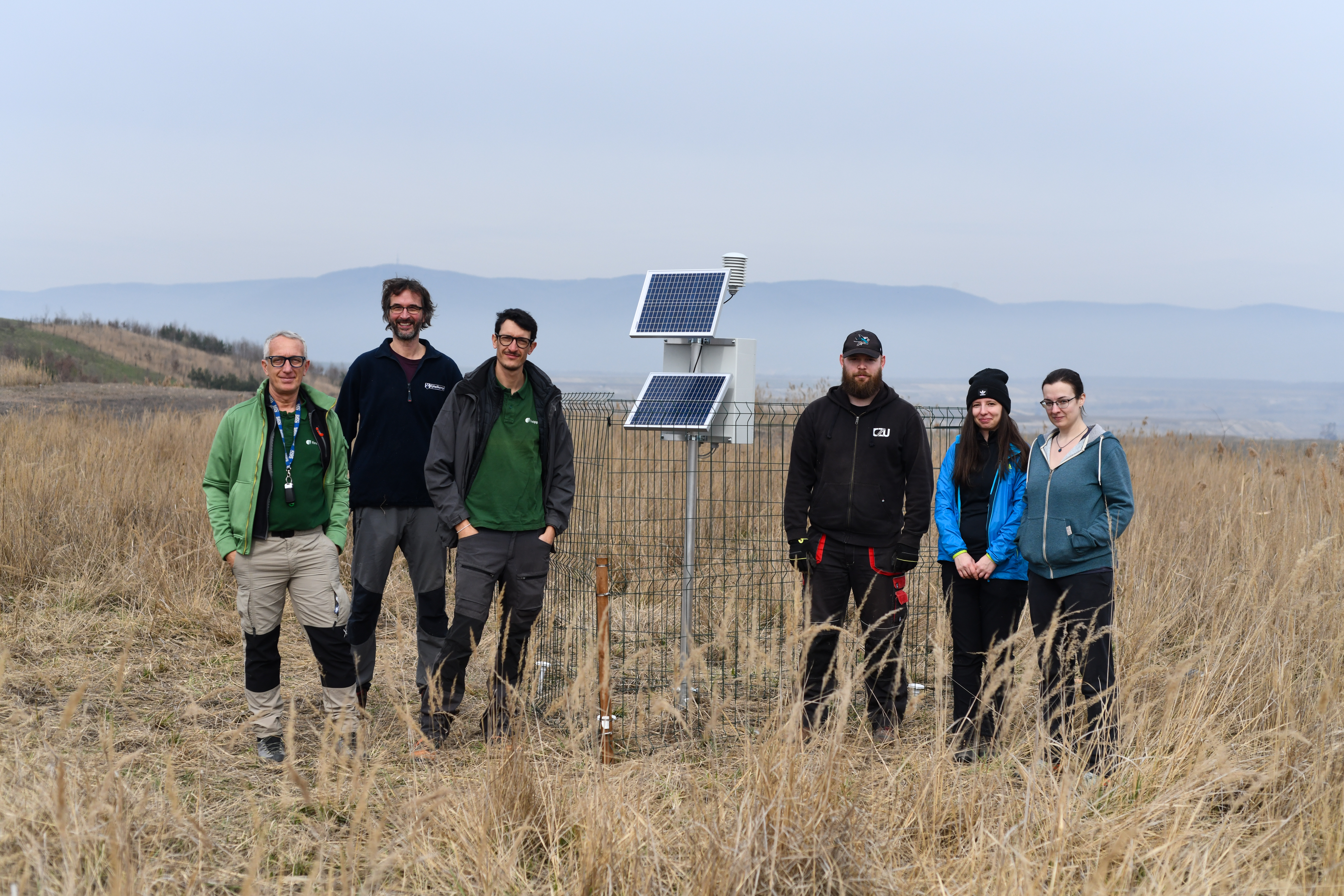
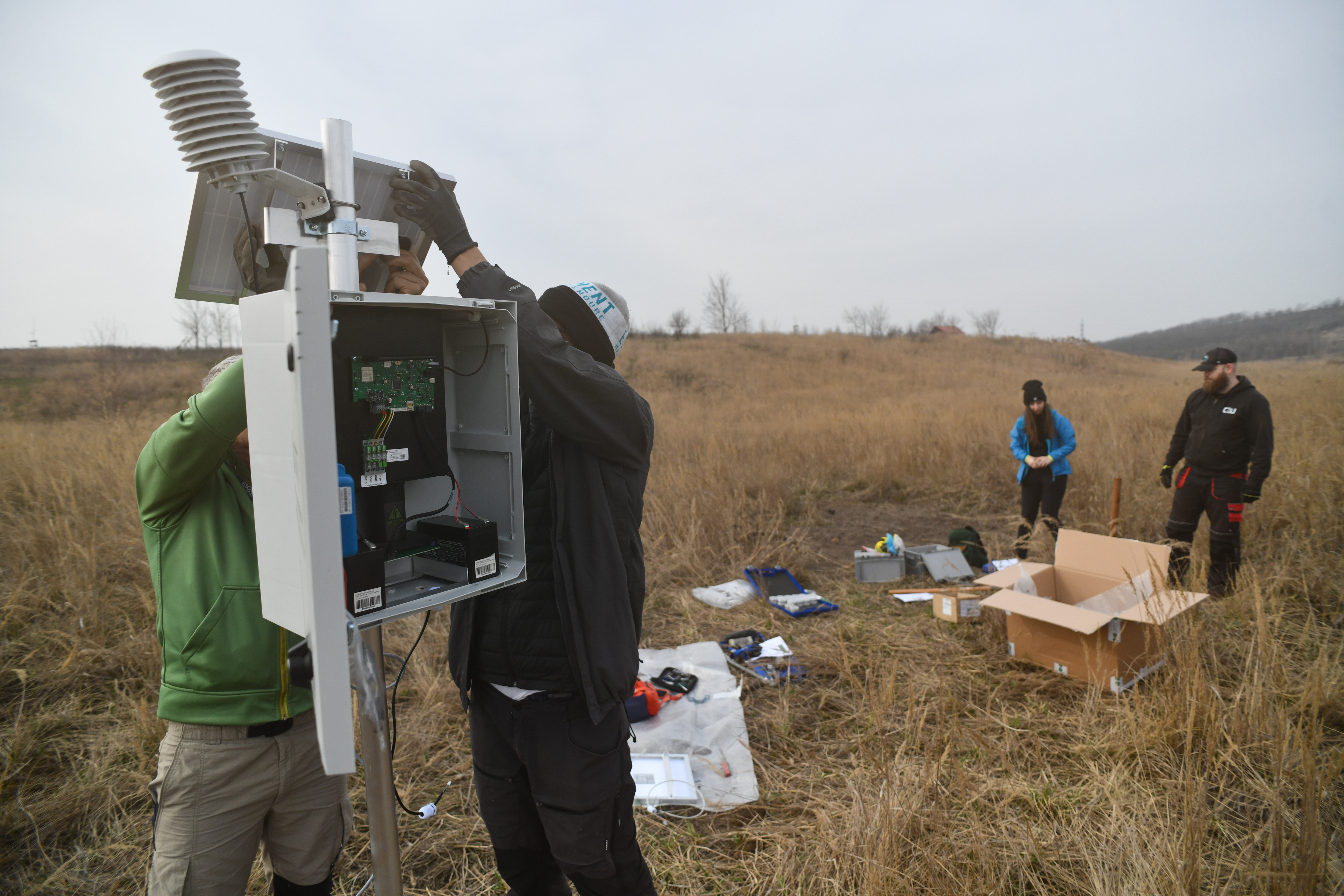
Experts from the Faculty of Environmental Sciences at the Czech University of Life Sciences in Prague have installed new CRNS stations to monitor soil moisture. This technology, which is based on measuring neutrons generated by cosmic radiation, makes it possible to collect data on soil water content across areas spanning several hectares. This data aids in drought assessment, refining models, and planning adaptation measures in post-harvest landscapes.
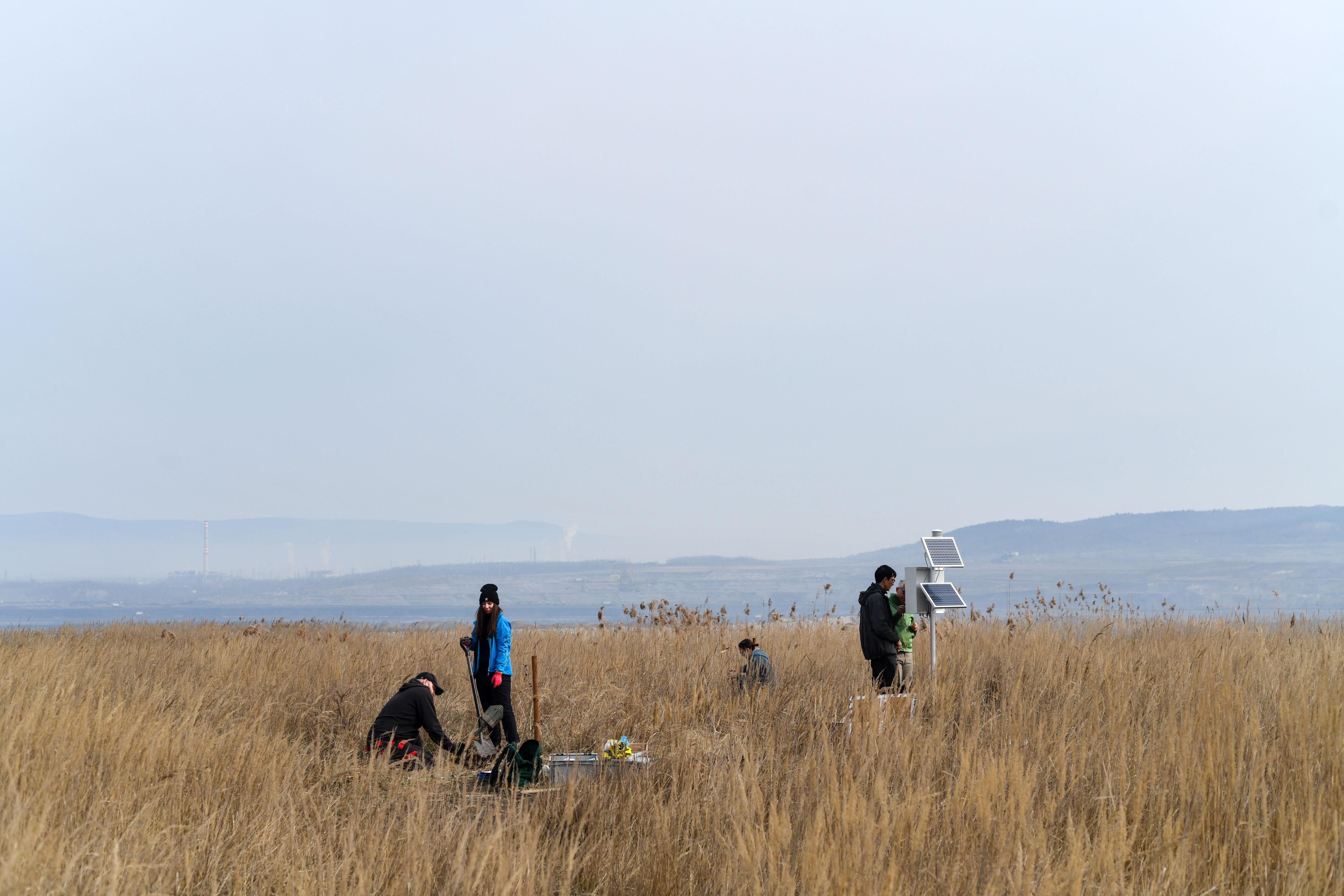
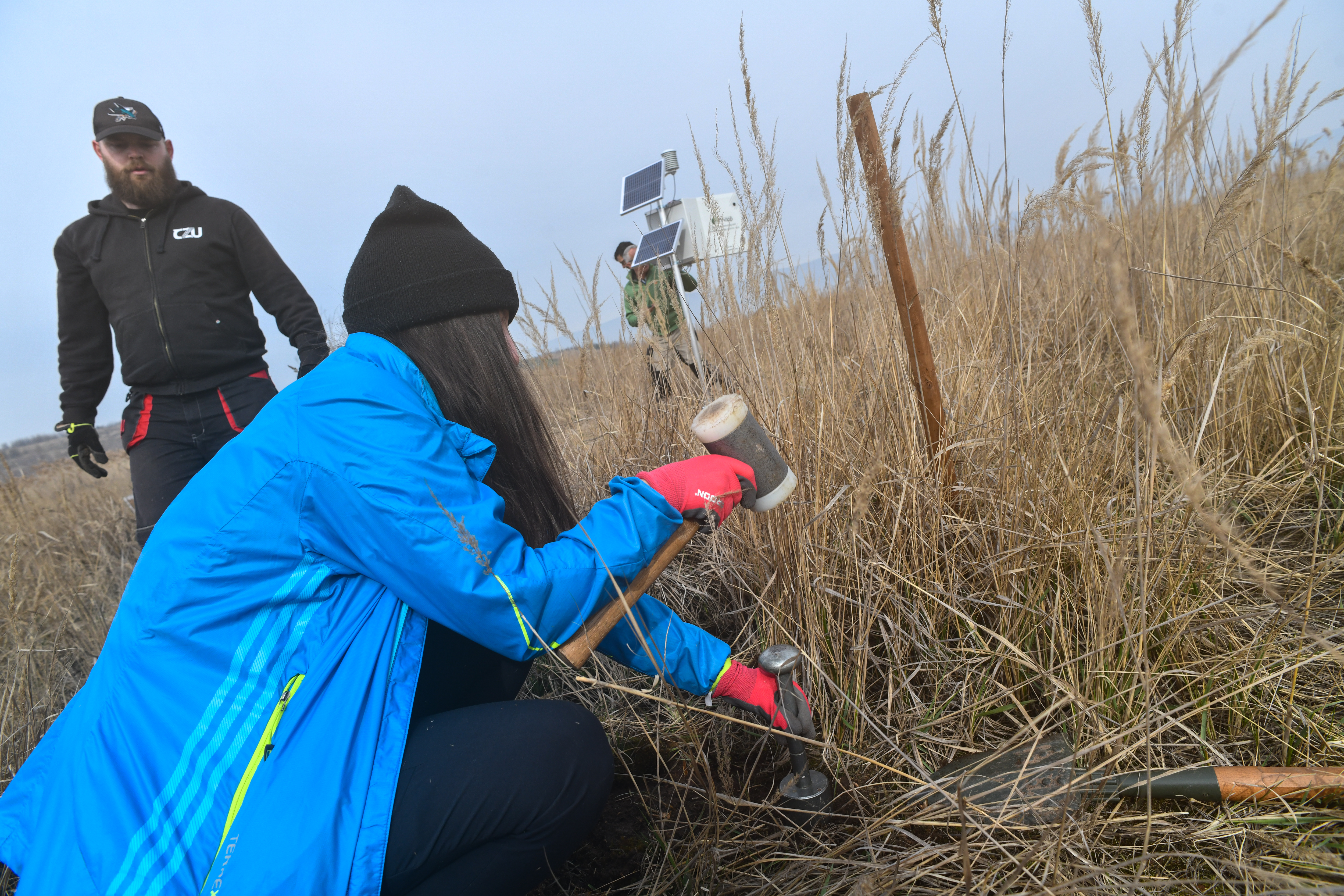
Adequate soil moisture is one of the key prerequisites for a healthy landscape. It influences the condition of vegetation, precipitation infiltration, water runoff, and the area’s resilience to drought. As part of the RUR project, experts have therefore installed new CRNS (Cosmic-Ray Neutron Sensing) stations, which enable the monitoring of spatially representative soil moisture across the landscape.
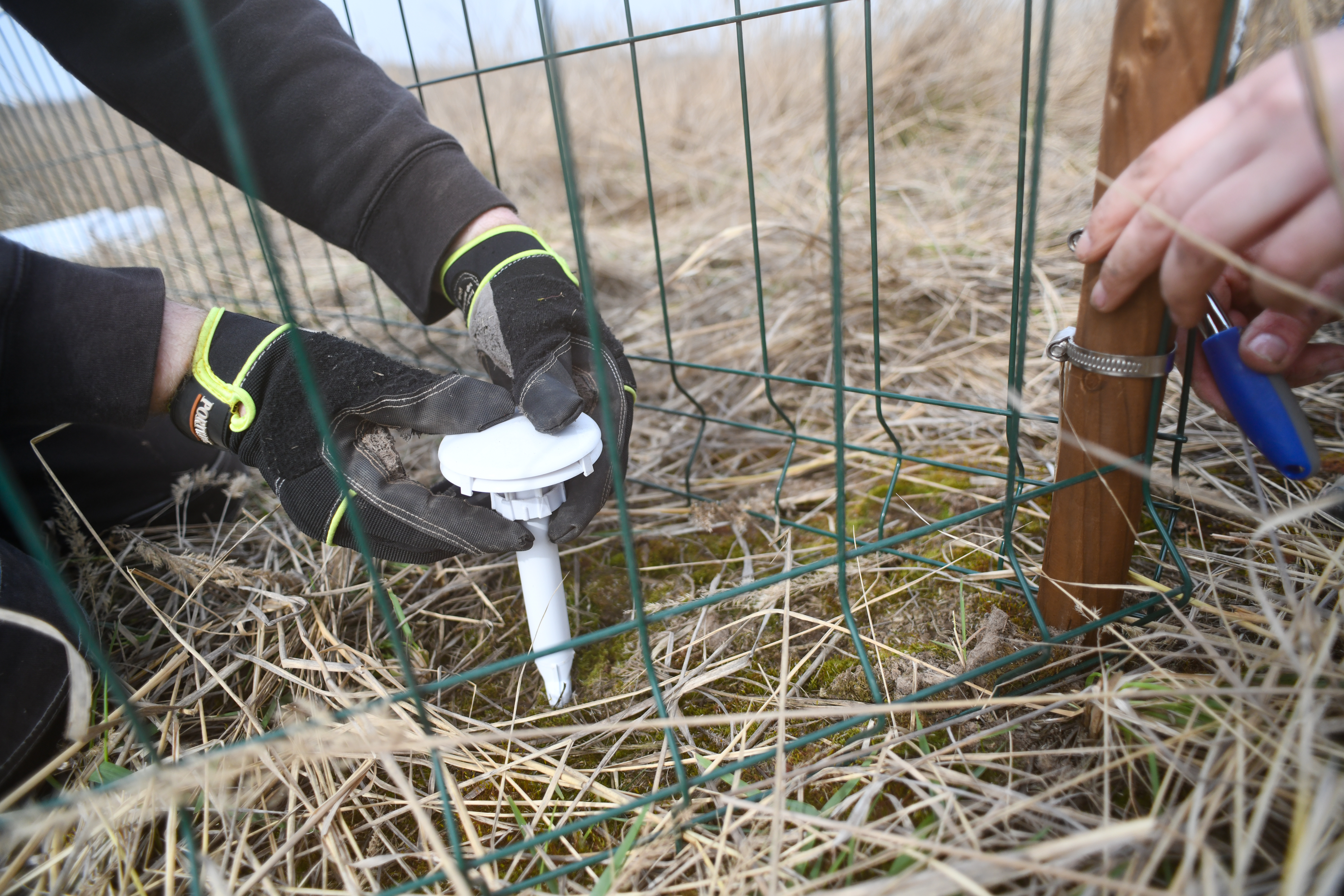
Unlike conventional soil probes, which measure moisture at a single point, CRNS stations provide data covering a significantly larger area of several hectares. As a result, they better capture the actual state of soil moisture in a heterogeneous landscape and enable better integration with satellite data.
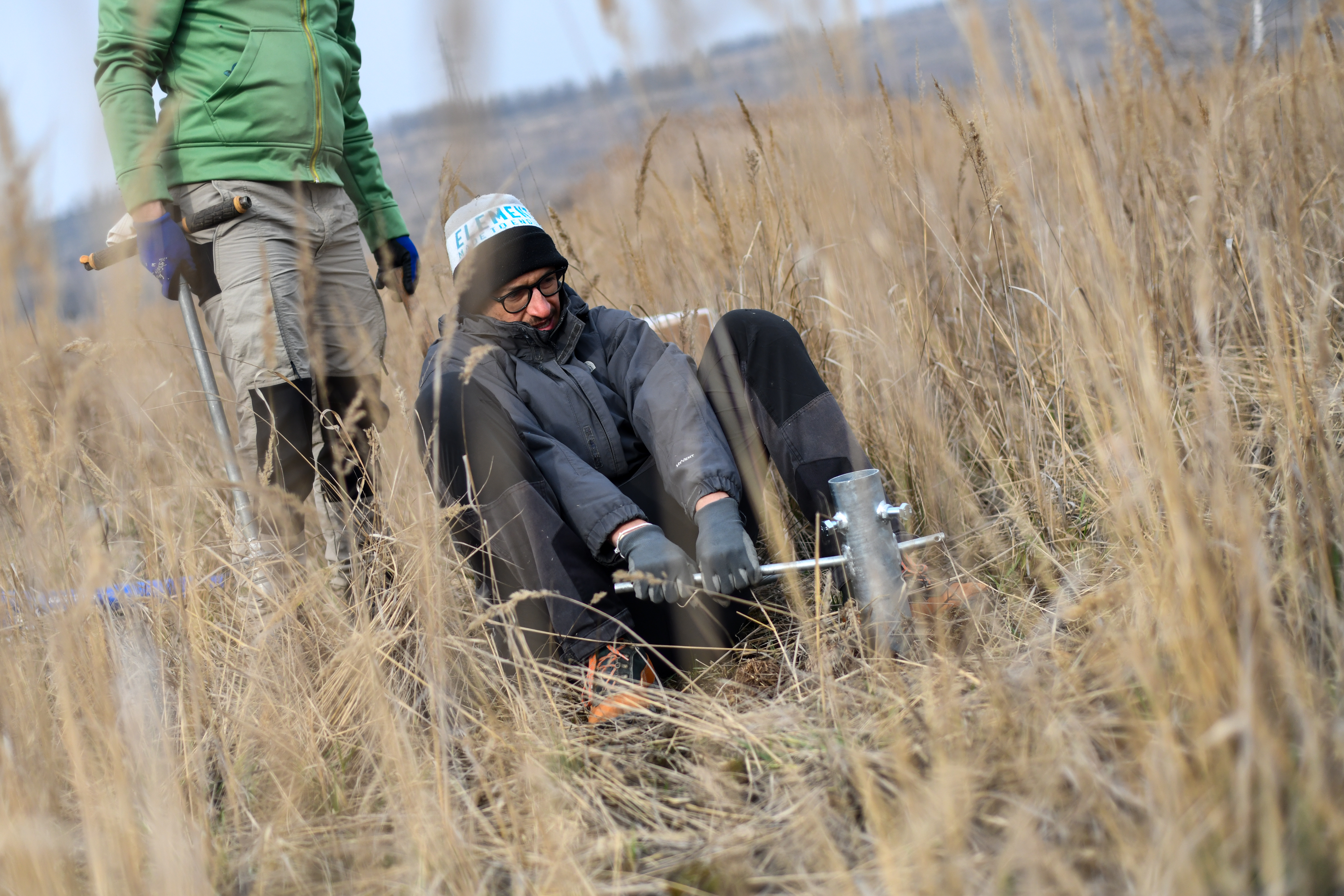
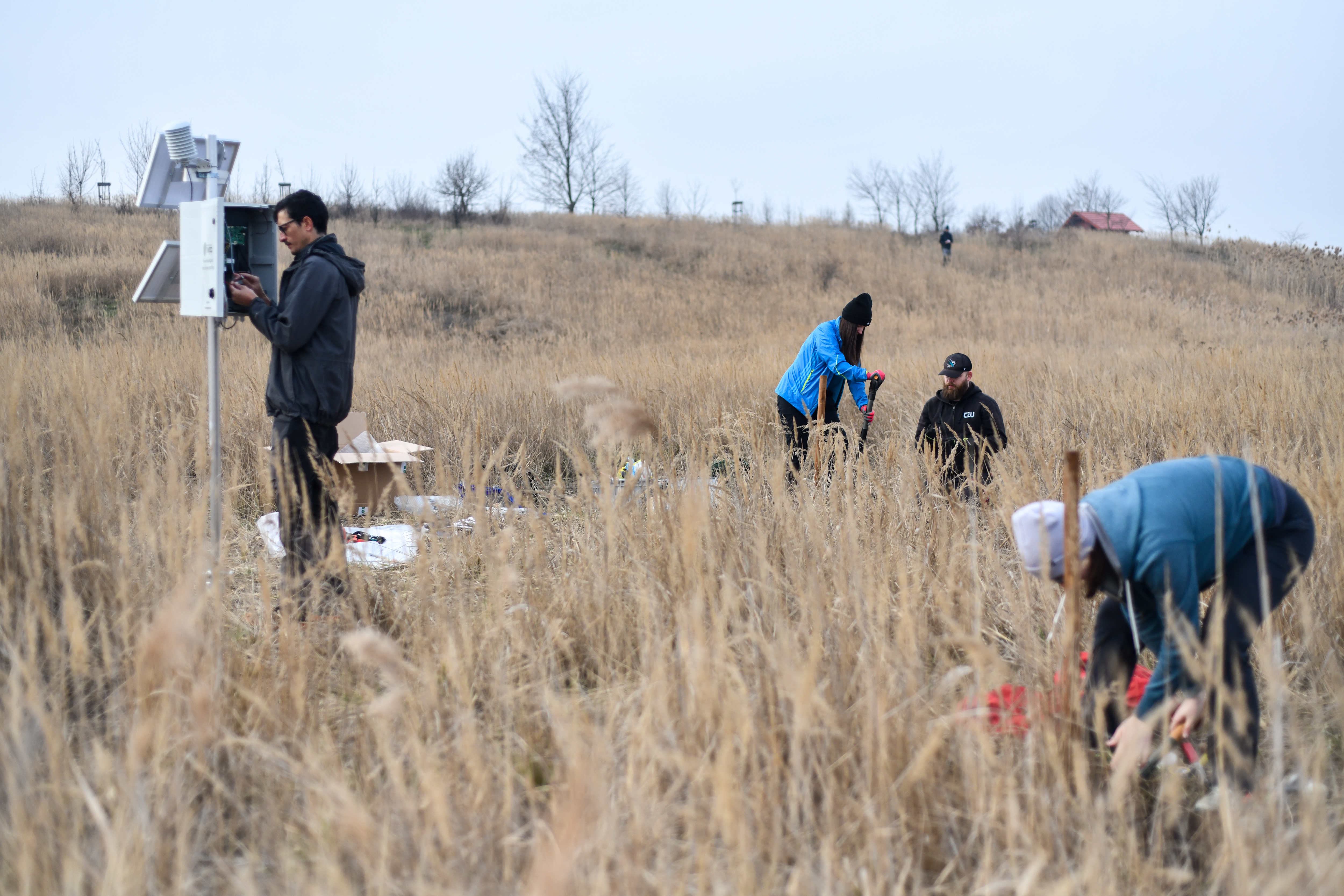
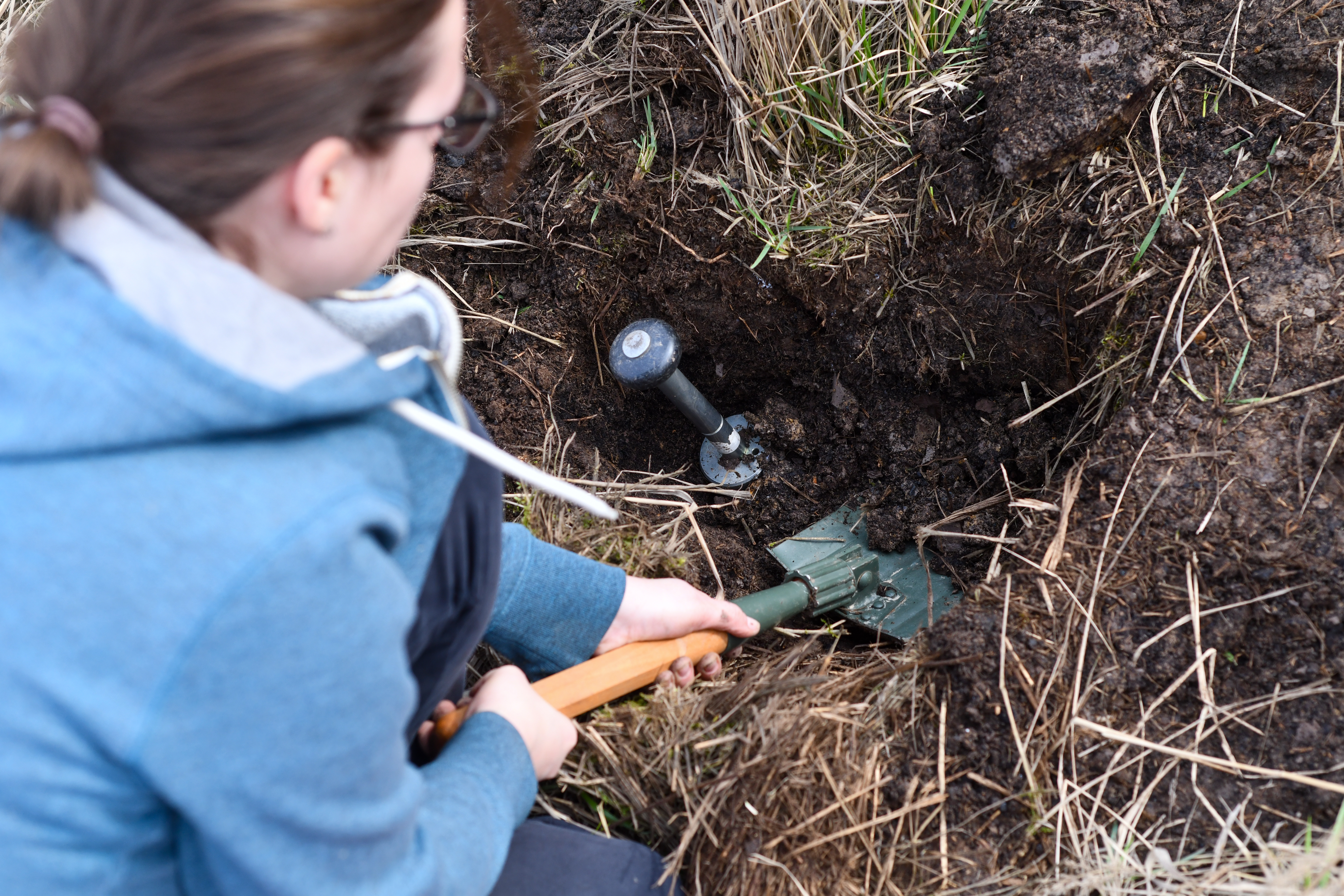
The stations were installed as part of field monitoring to assess the water regime and ecological stability of the area in a post-mining landscape.
How CRNS Works
The CRNS method uses secondary neutrons produced by cosmic-ray interactions with the atmosphere. Their abundance near the Earth’s surface is influenced by the amount of hydrogen in the surrounding environment. Since most of the hydrogen in the landscape is bound in water, the water content in the soil can be derived from the measured signal after calibration.
The advantage of this method is that it provides integrated data covering a larger area, rather than just point measurements. This is particularly important for assessing drought, the water regime of an area, and landscape restoration.
Benefits for research and landscape restoration
The data collected will help better track changes in soil moisture over time, detect the onset of dry spells, and assess the landscape’s response to precipitation or prolonged periods without rain. At the same time, it will serve as an important basis for refining hydrological models and verifying data from satellite monitoring.
“CRNS technology allows us to monitor soil moisture on a hectare-scale, which is more representative for assessing the landscape’s water regime than traditional point measurements. The data obtained is important not only for research but also for designing and evaluating practical measures in the field,” says group leader Ing. Lukáš Jačka, PhD, from the Department of Water Management and Environmental Modelling.
This monitoring is particularly important in post-mining landscapes, where soil and hydrological conditions are often highly variable. Data from CRNS stations can thus contribute to a better understanding of how these areas function and to the development of measures for a more resilient and better-adapted landscape.