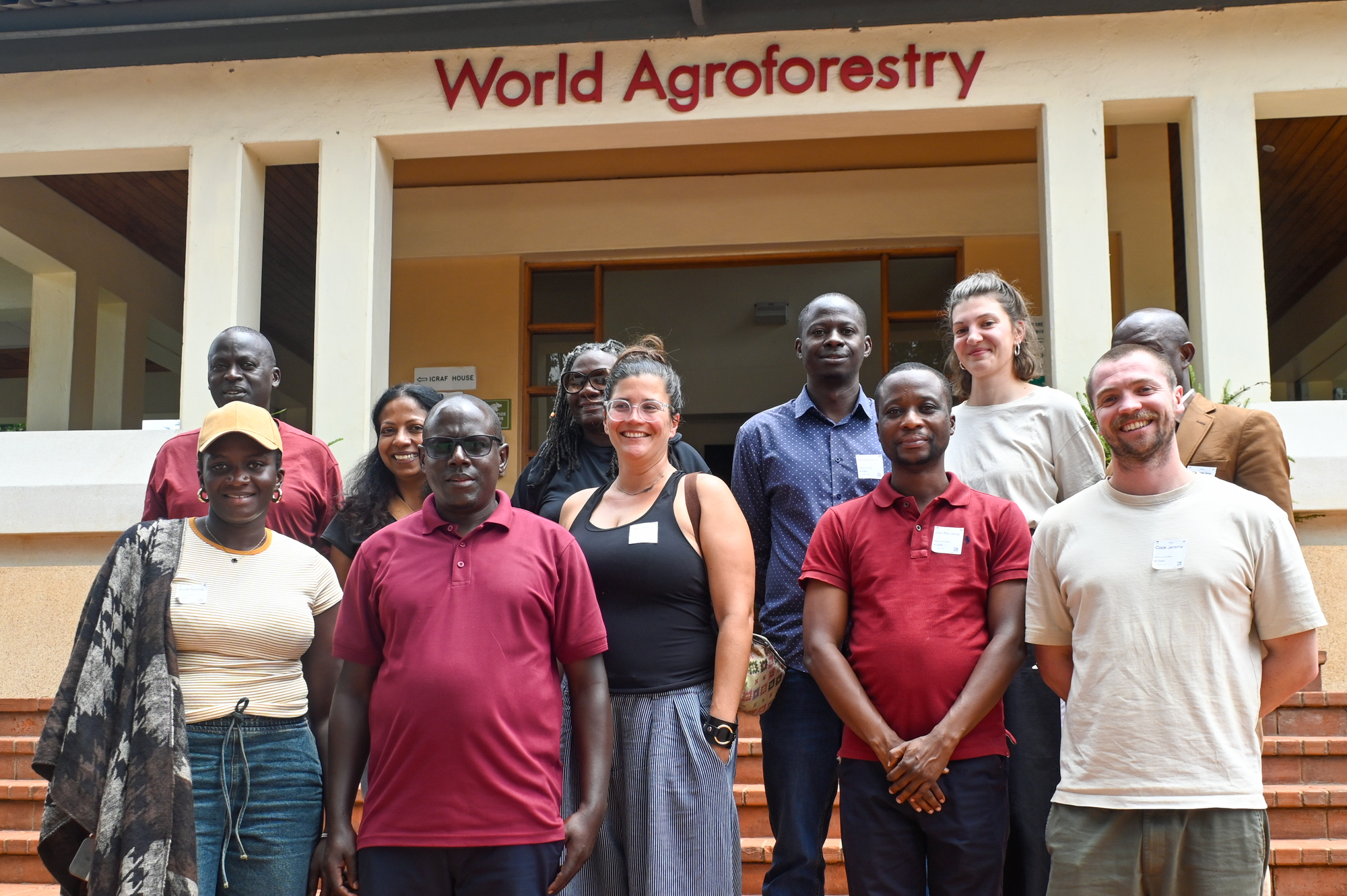
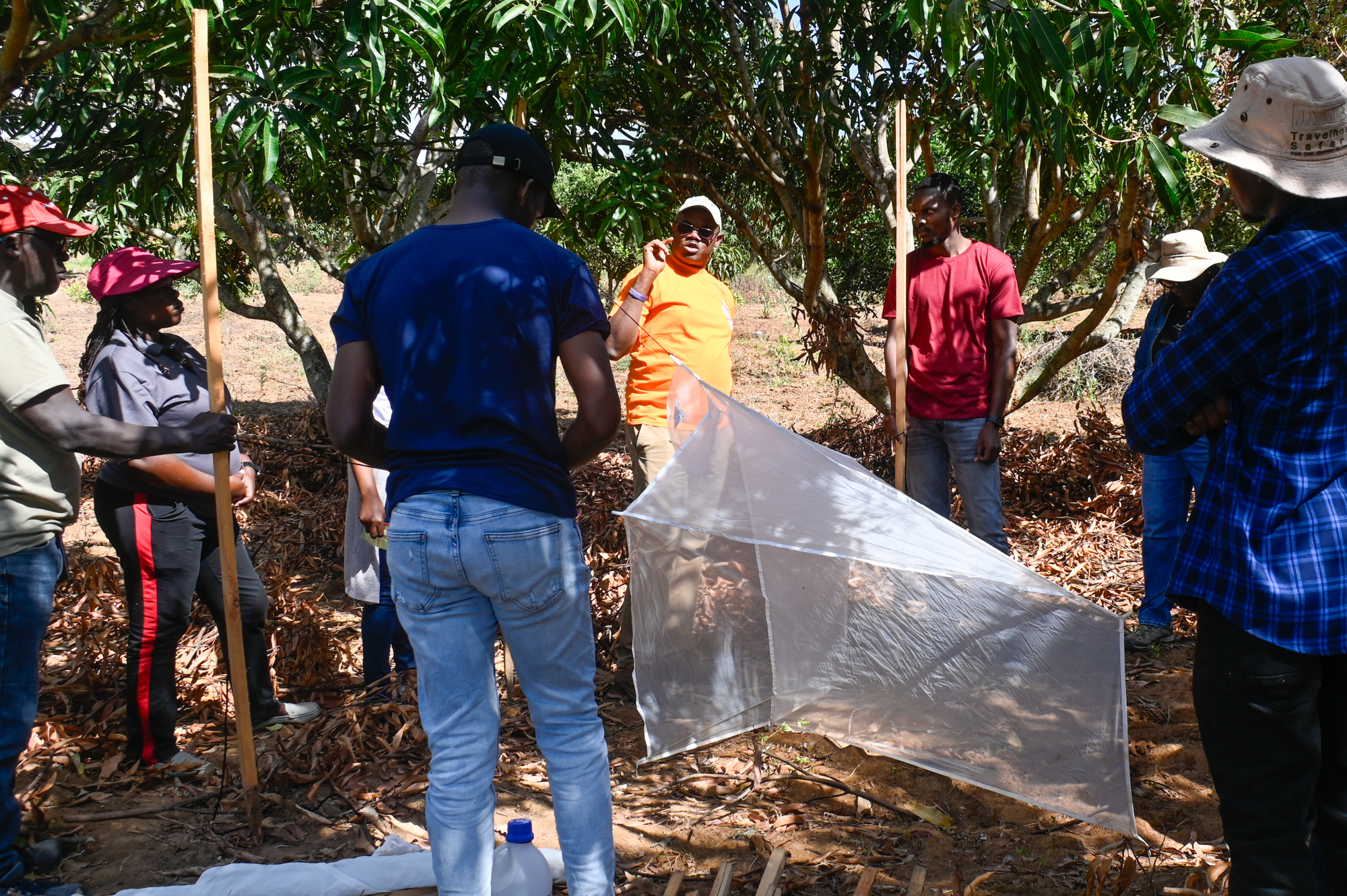
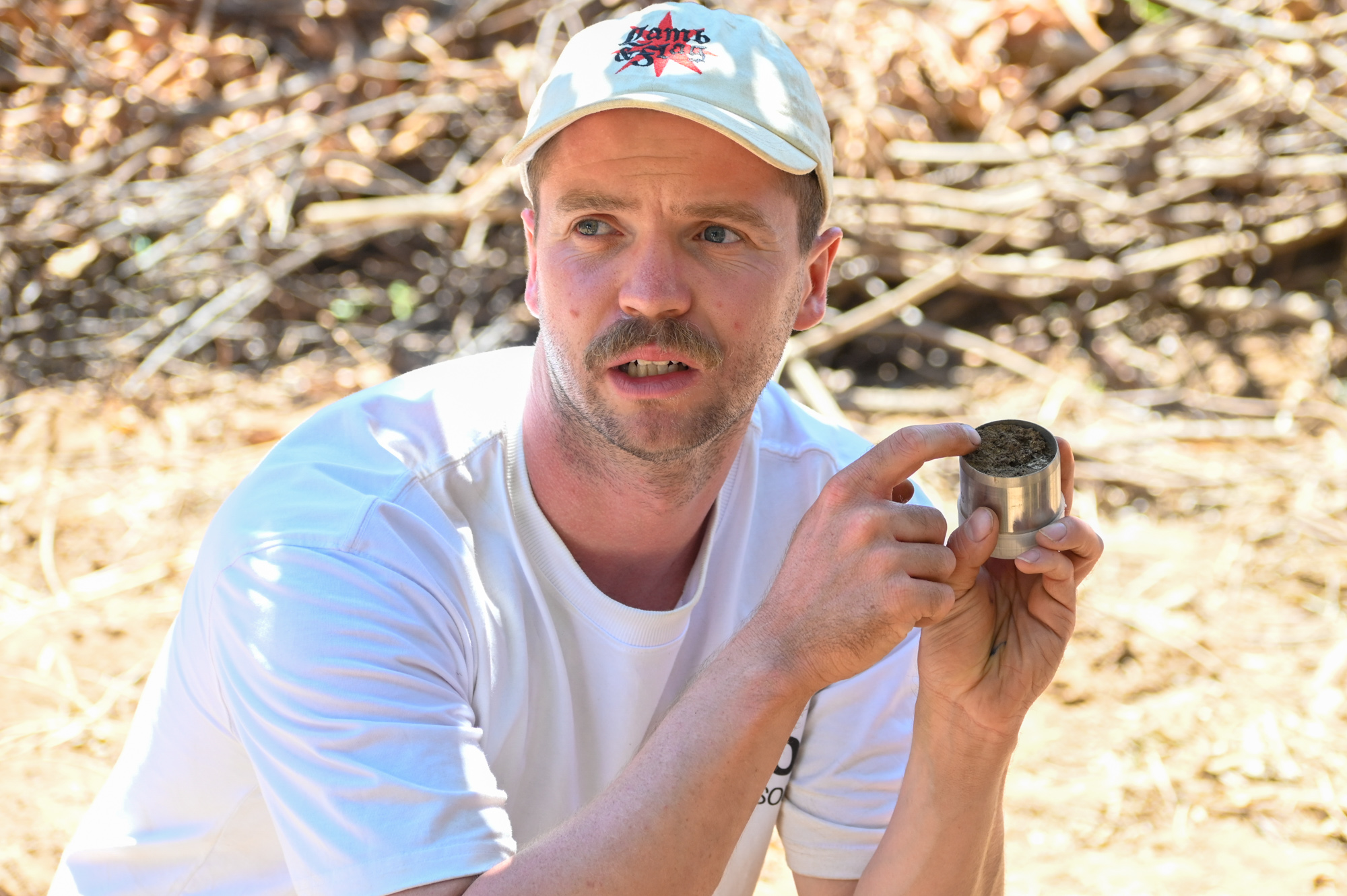
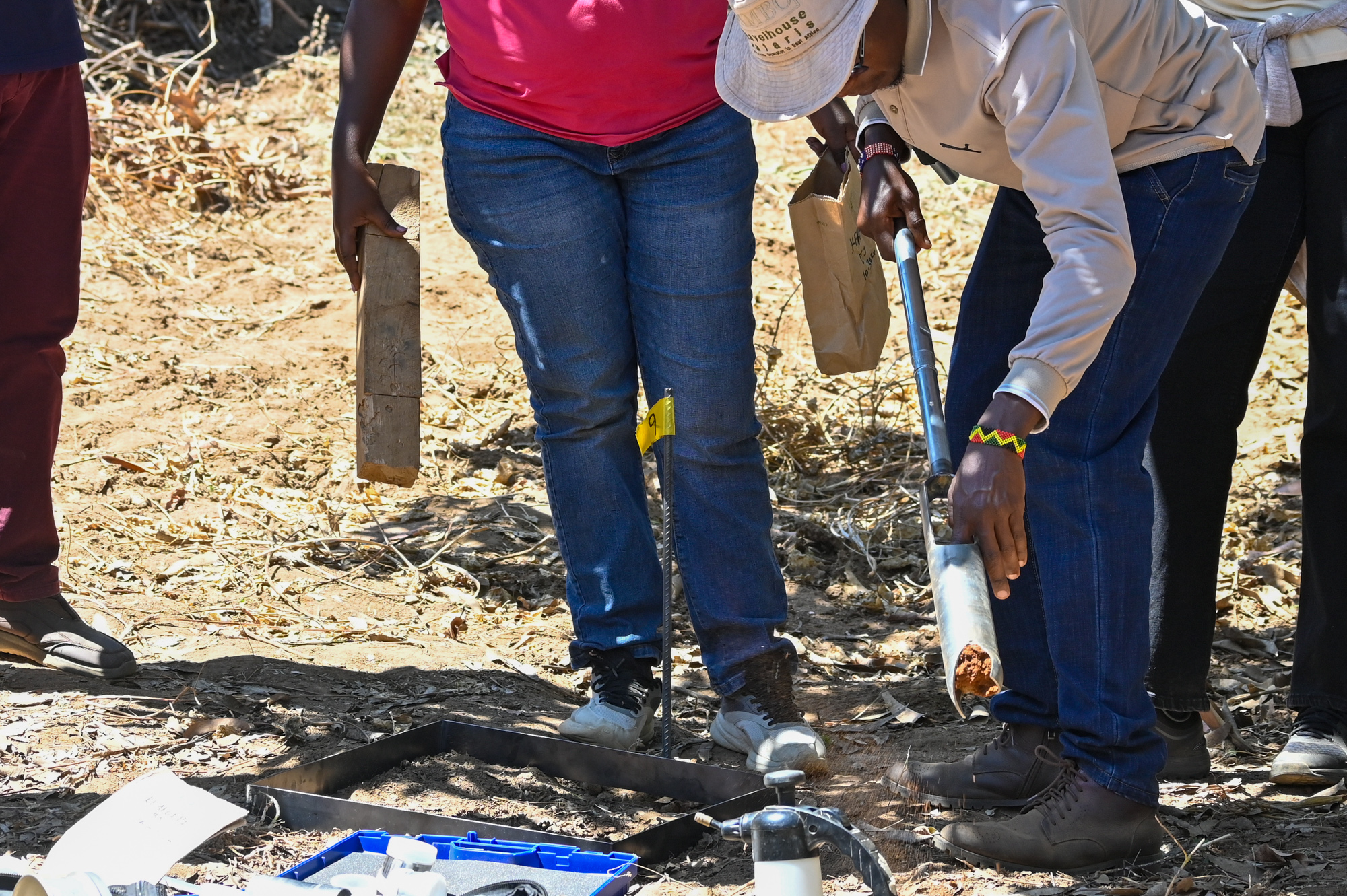
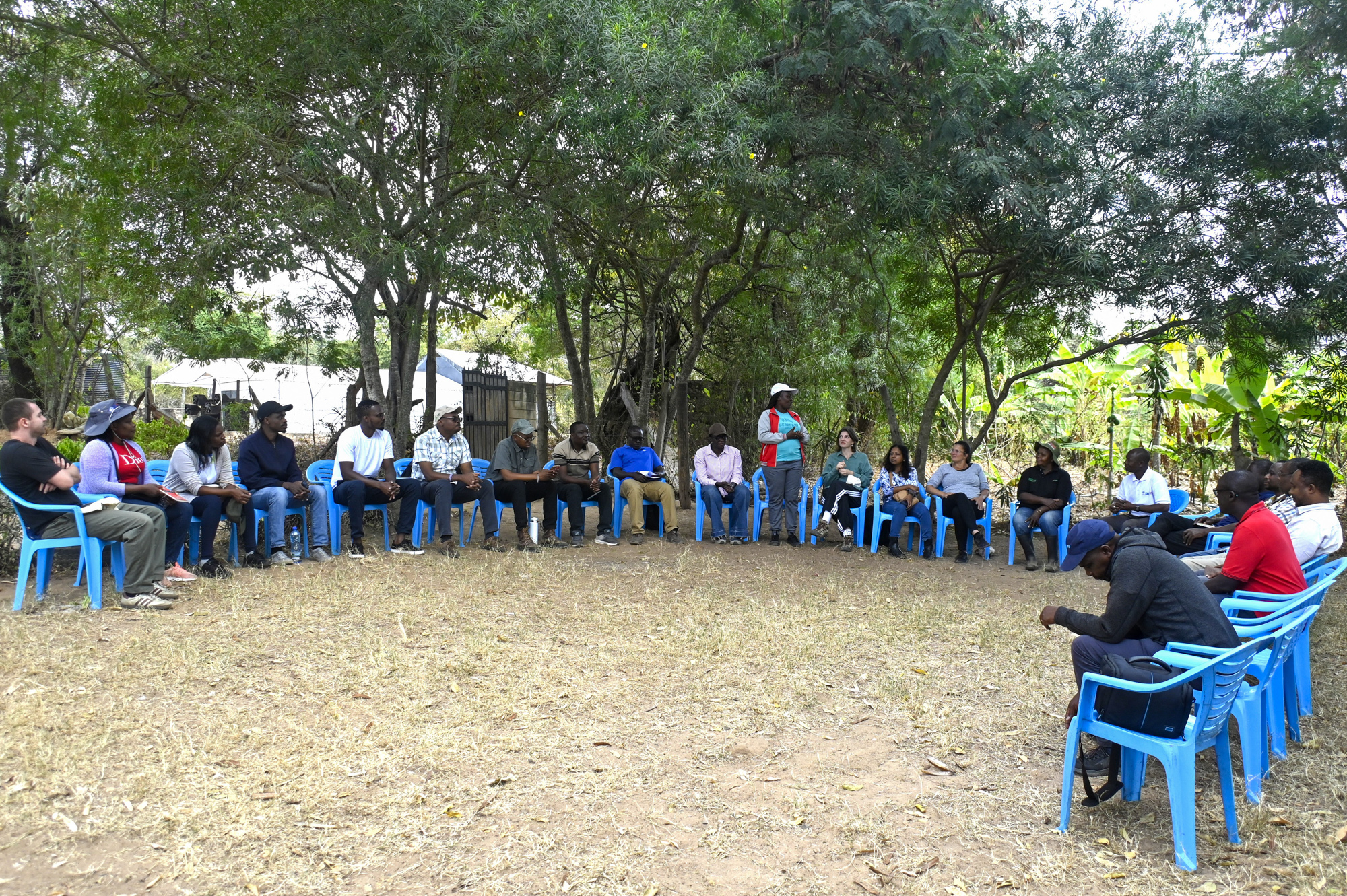
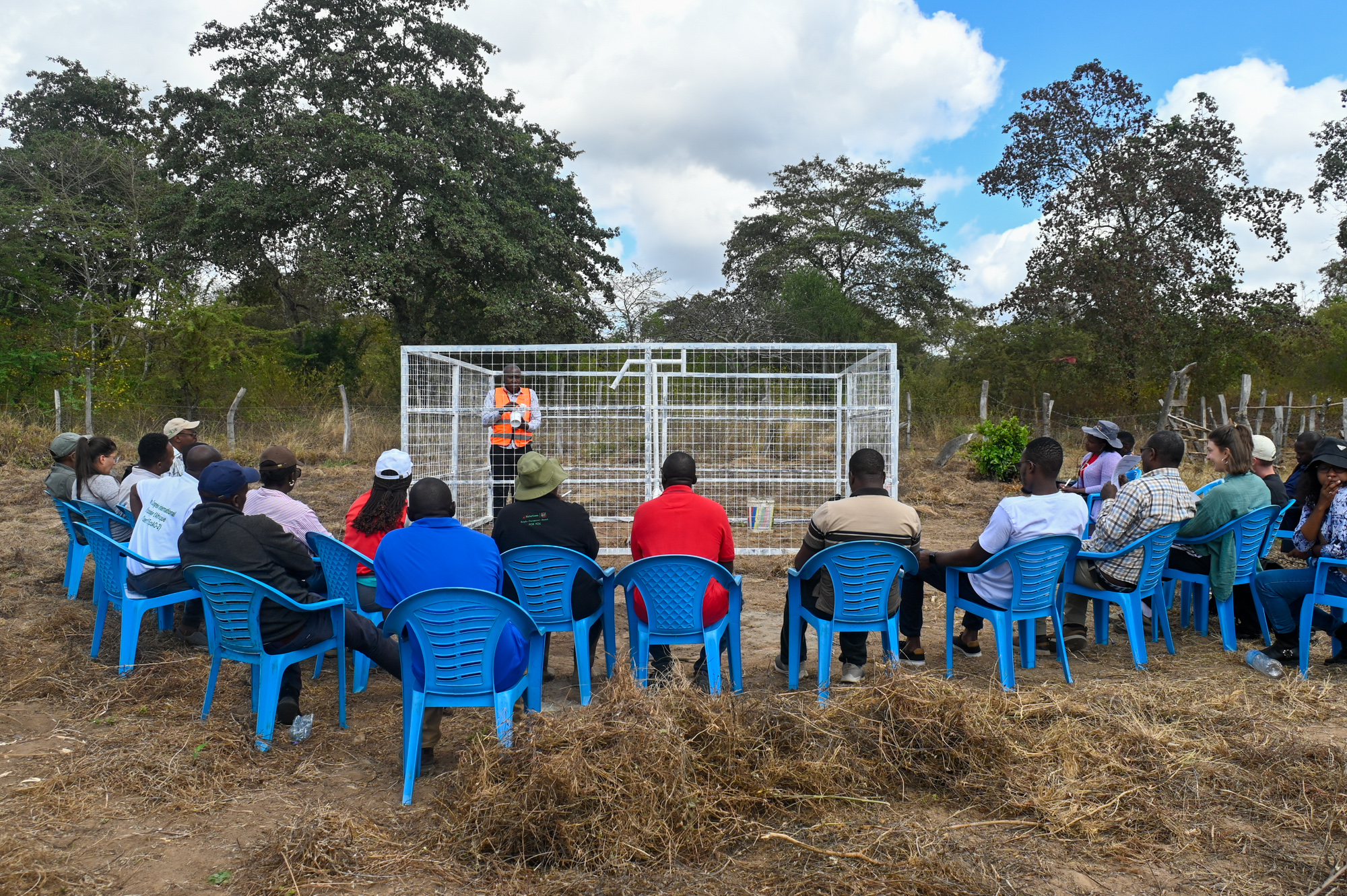
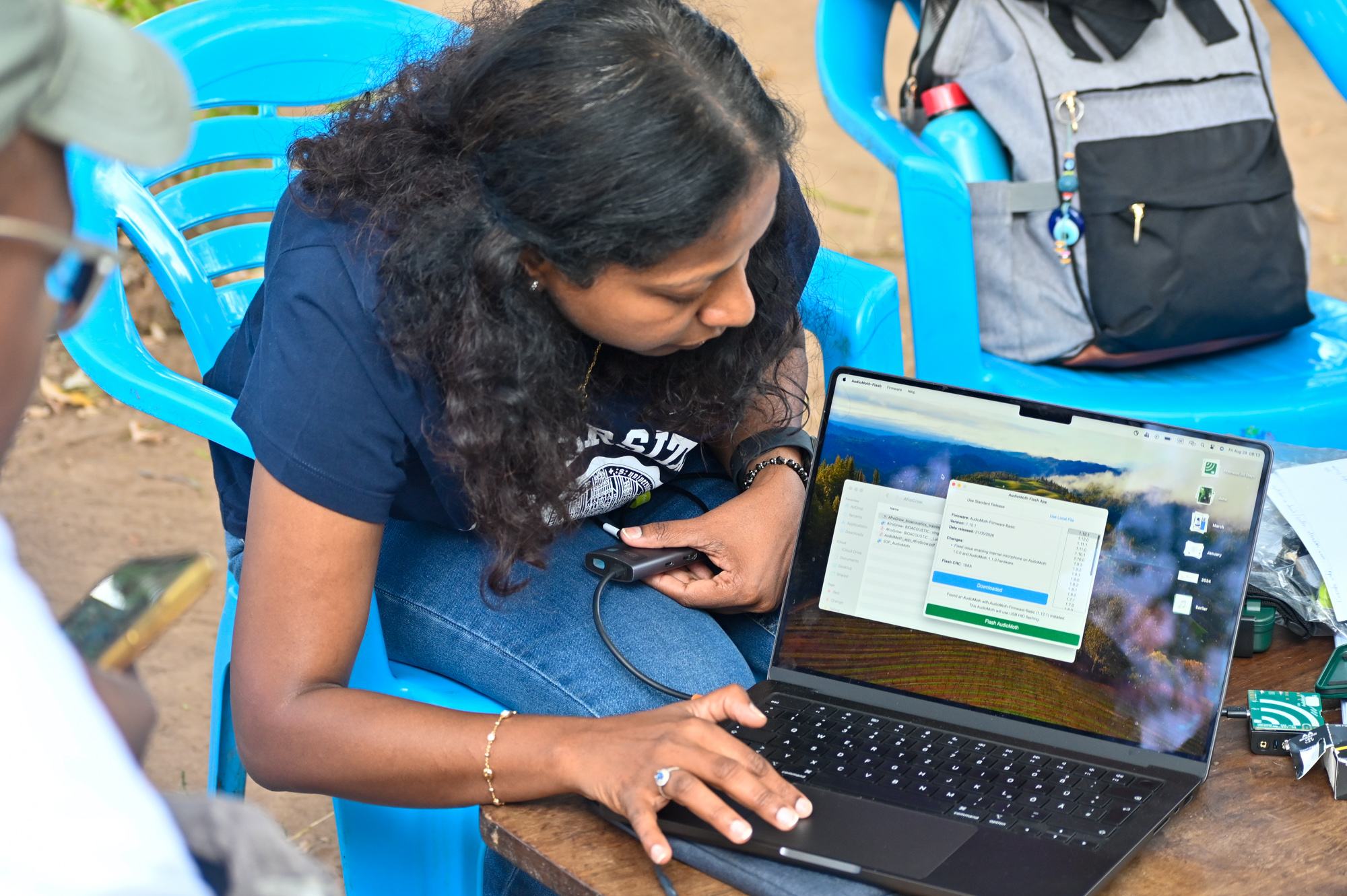
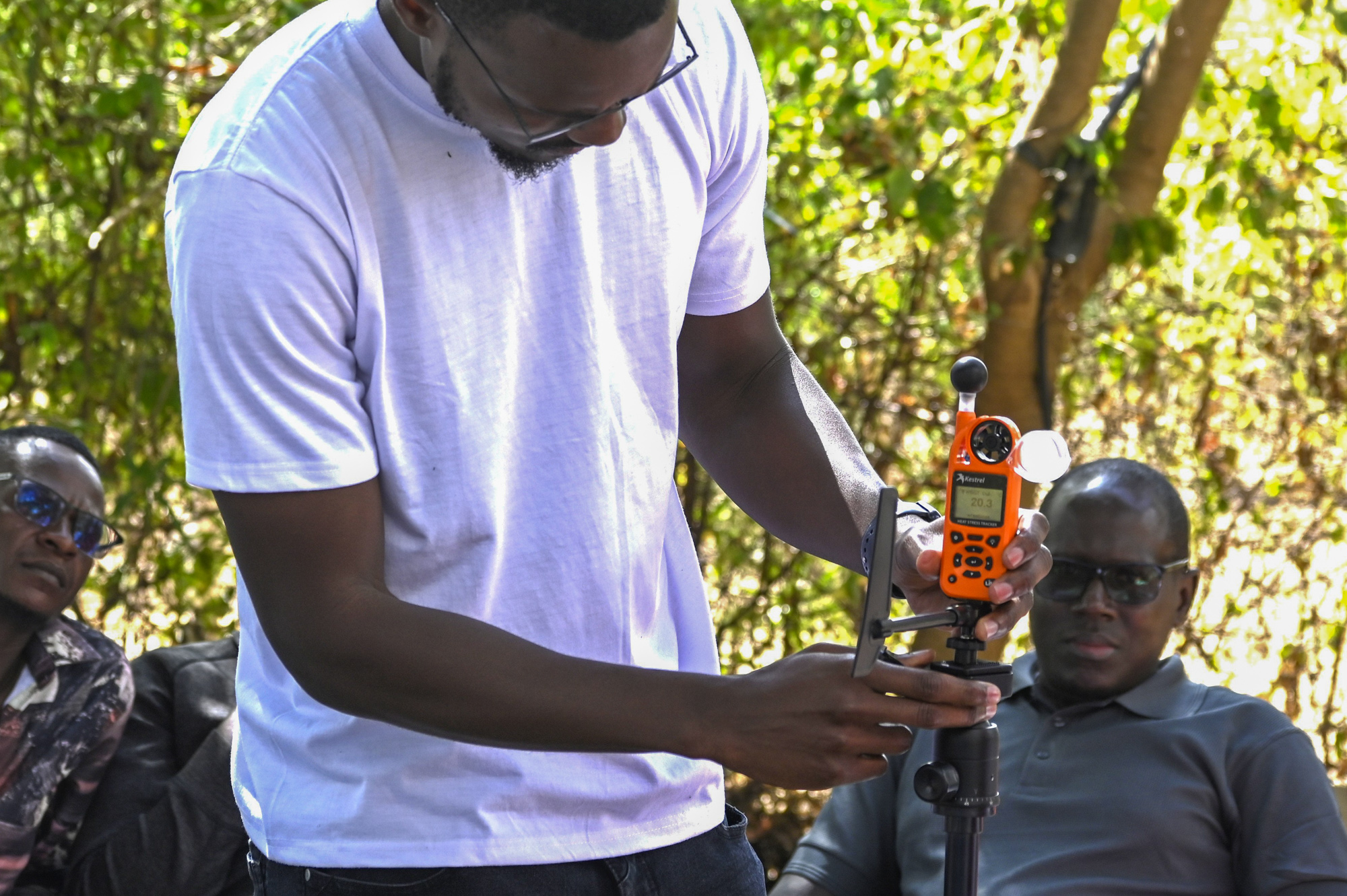
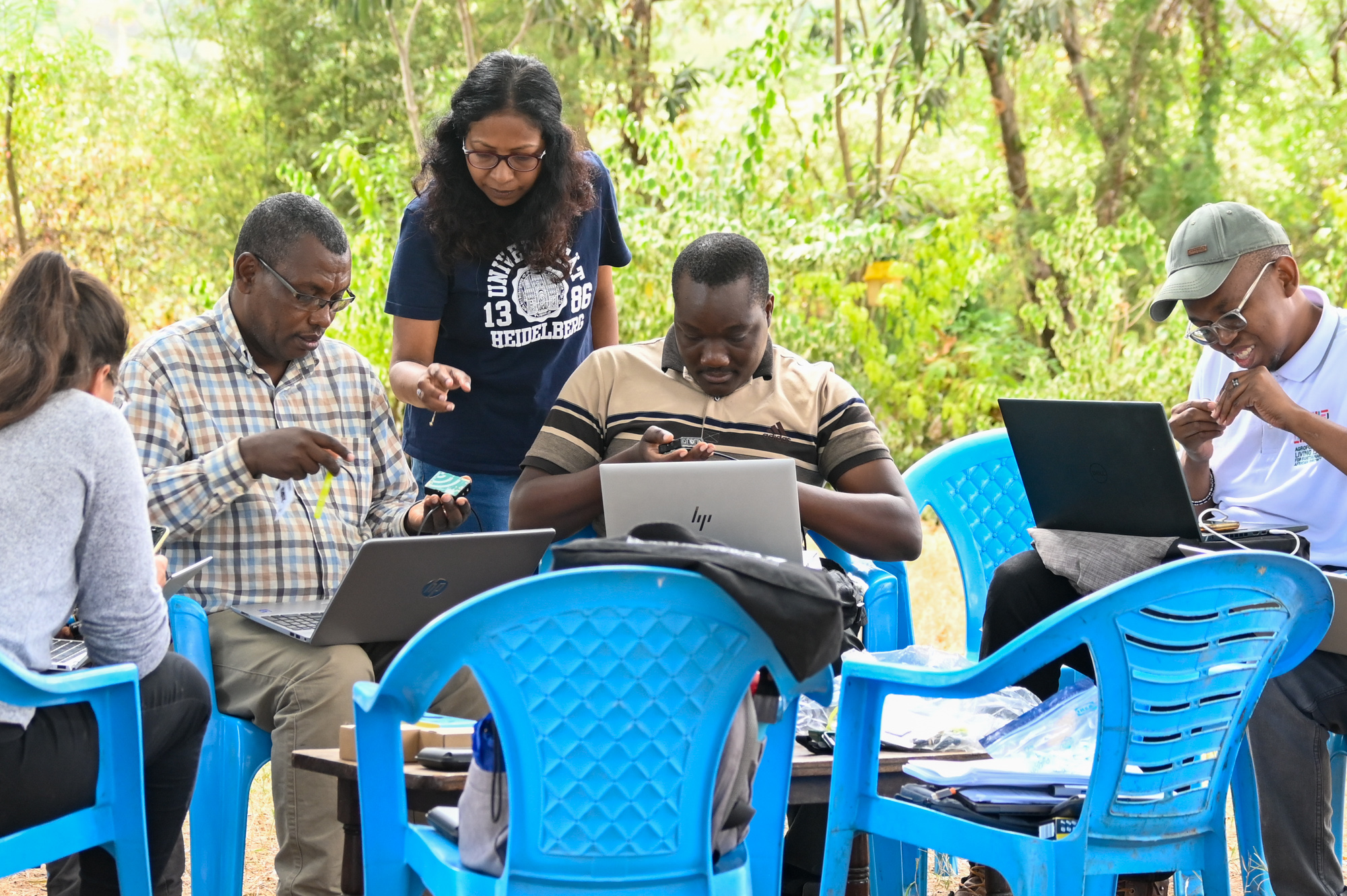
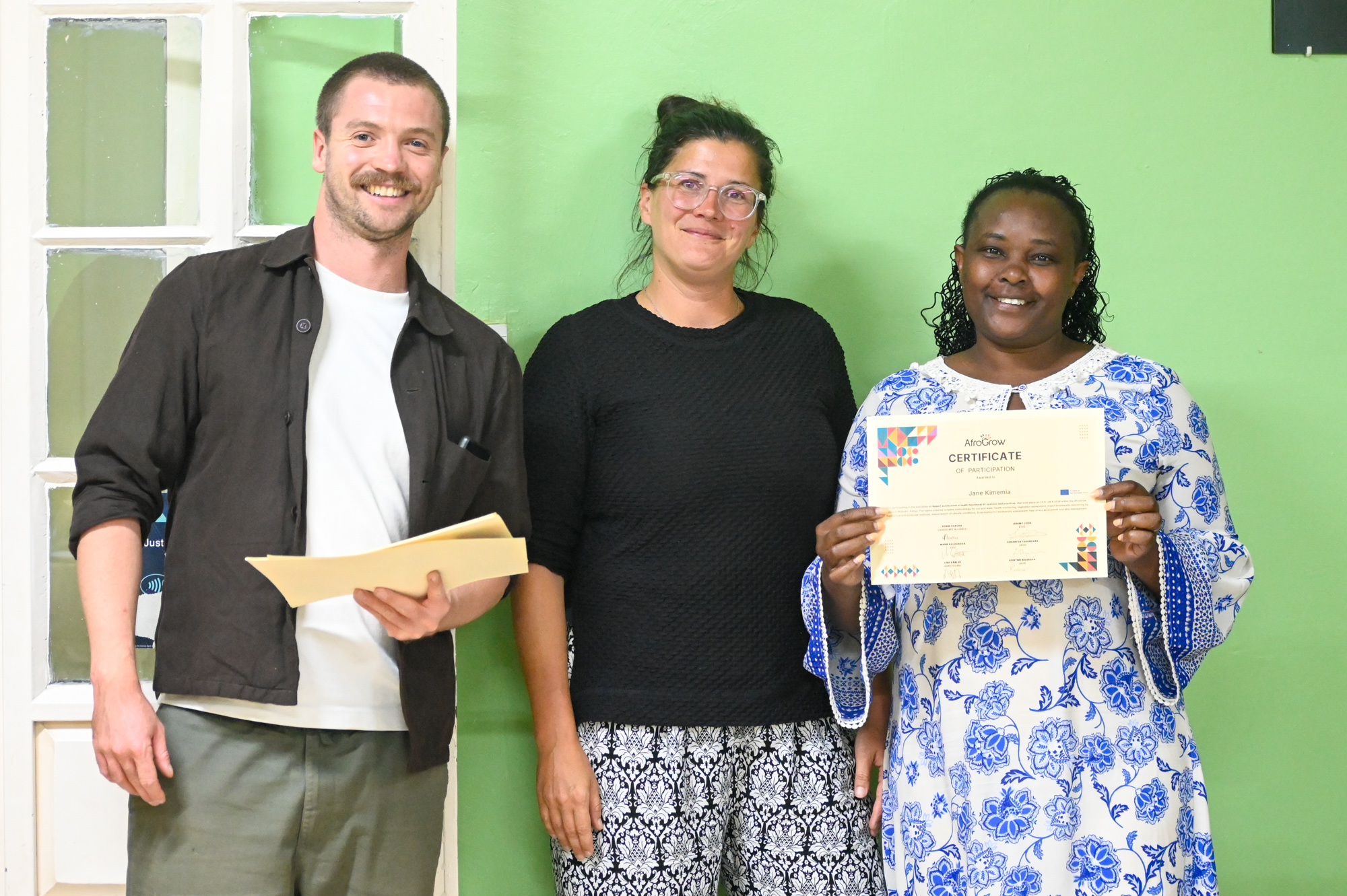
The Kenyan project site in Makueni County was the venue for a week-long training course of the Euro-African project AfroGrow, funded by the EU Horizon programme, in the last days of August. The leaders of all six “living labs” from Kenya, Senegal, Ethiopia, Côte d’Ivoire, Zambia and Botswana were trained in methods for monitoring ecosystem services, which are used to assess the environmental impacts of agroforestry, in practical workshops.
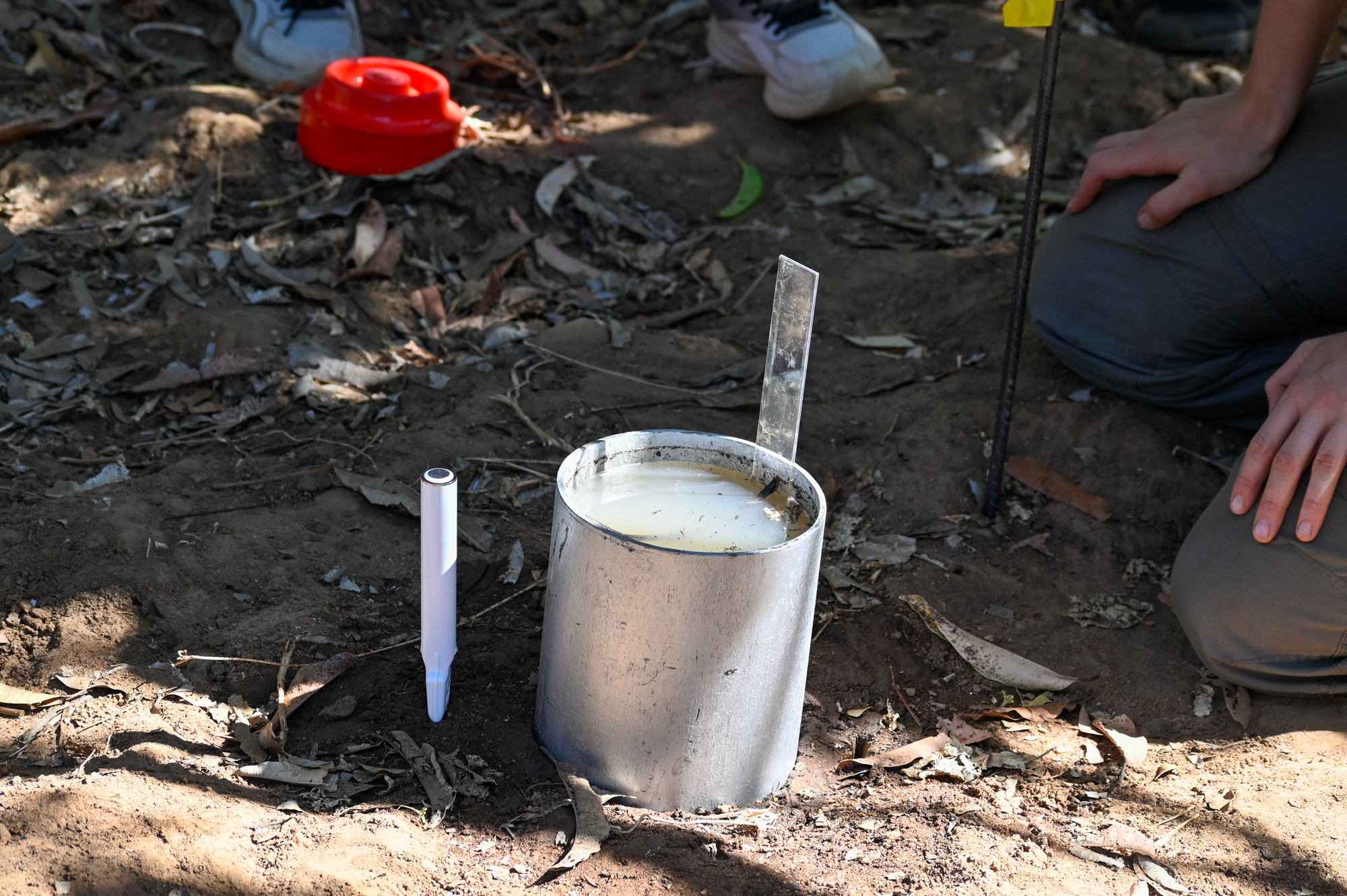
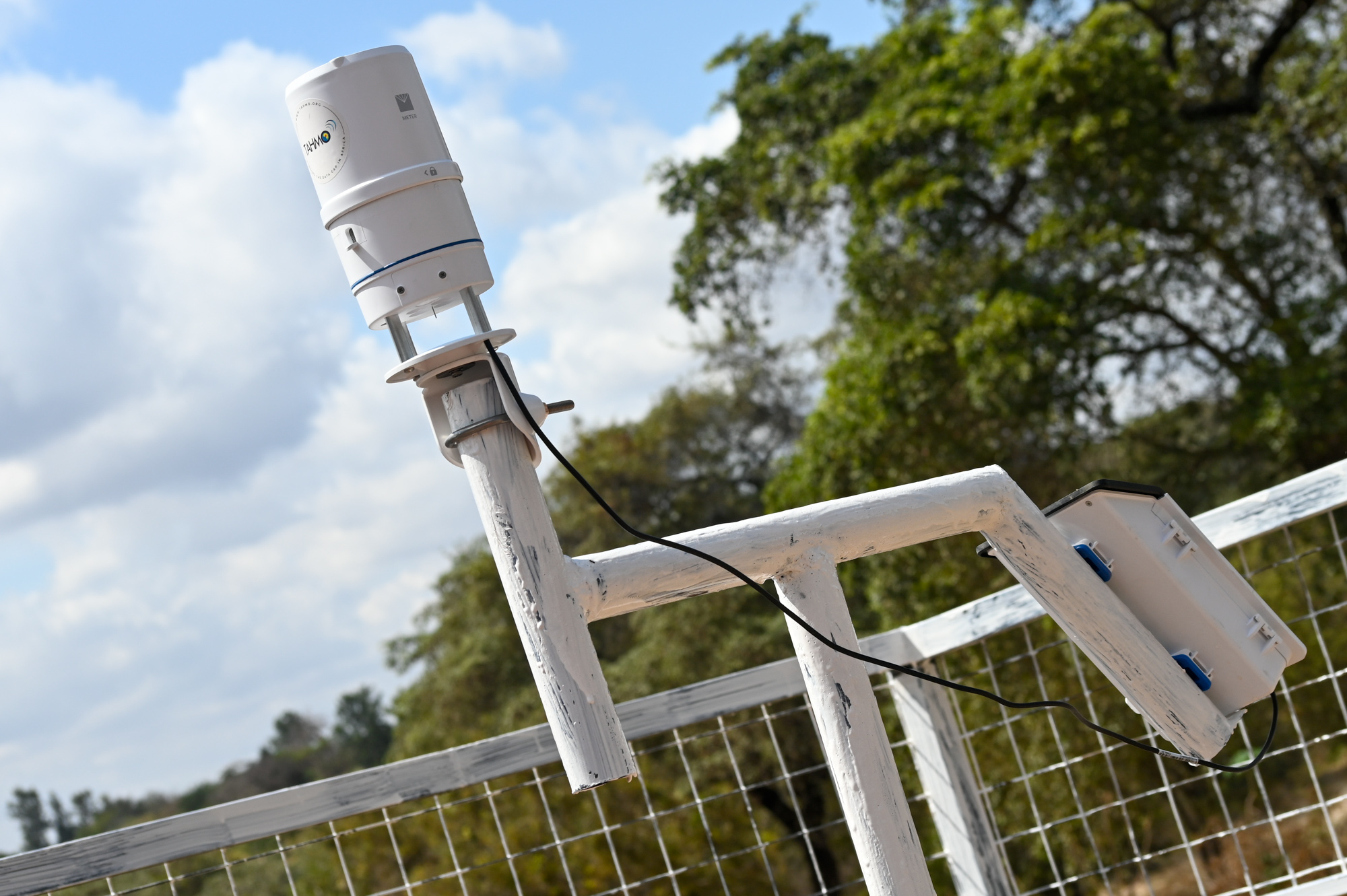
The topics of training included vegetation assessment (CZU in charge), soil health (ETHZ), water health (Agrotecnio), insect biodiversity monitoring by mechanical methods, molecular methods and citizen science (ICIPE), bioacoustics for disease vector monitoring (UKHD), heat stress monitoring (UKHD) and monitoring of climatic conditions (TAHMO) The project partners have thus taken a crucial step towards launching standardized research campaigns across all project branches.
The event was made possible with the generous support of ICRAF, a key project partner and African leader in agroforestry application and research.
The Afrogrow project, connecting European and African institutions and specialists, aims to develop sustainable agroforestry systems, strengthen food security, combat climate change and protect biodiversity on a pan-African scale.
Did you know that CZU is a key partner in the AfroGrow project? Experts from FTZ, FAPPZ and FZP are mainly responsible for the evaluation and implementation of agroforestry in the project countries.
More information on the website: https://afrogrow-project.eu