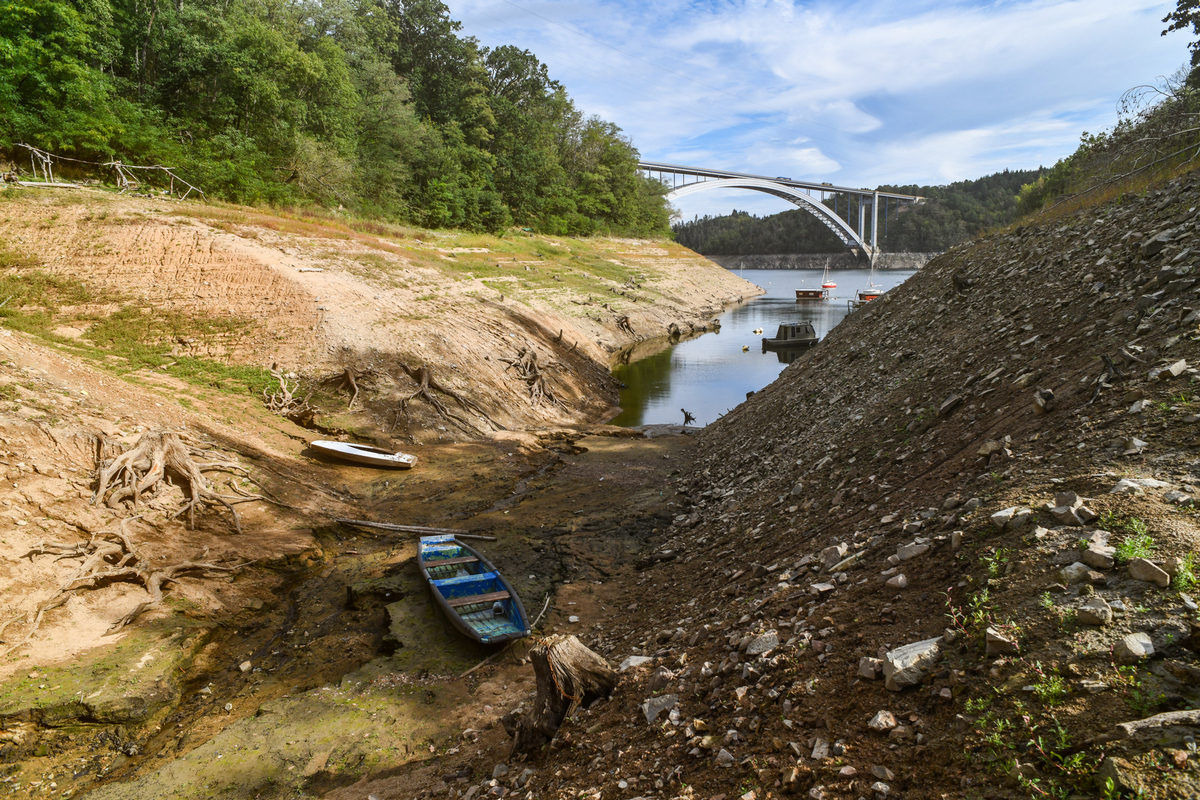
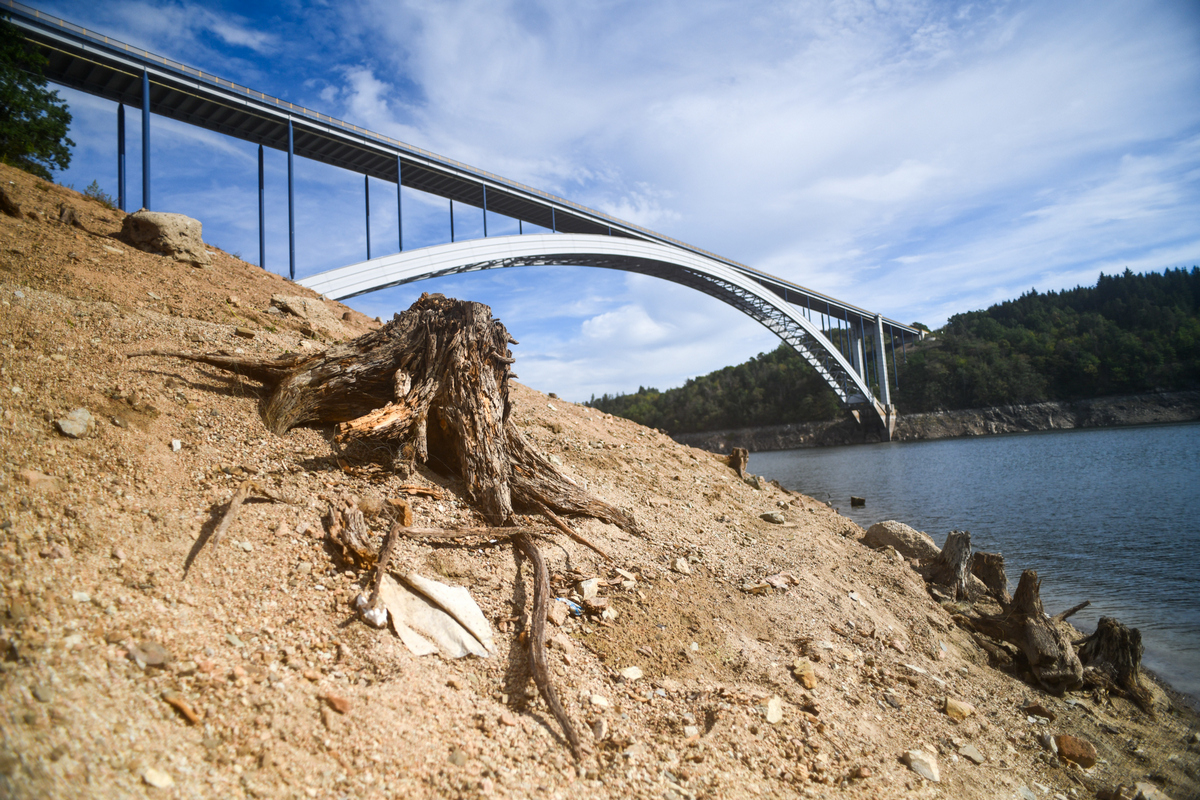
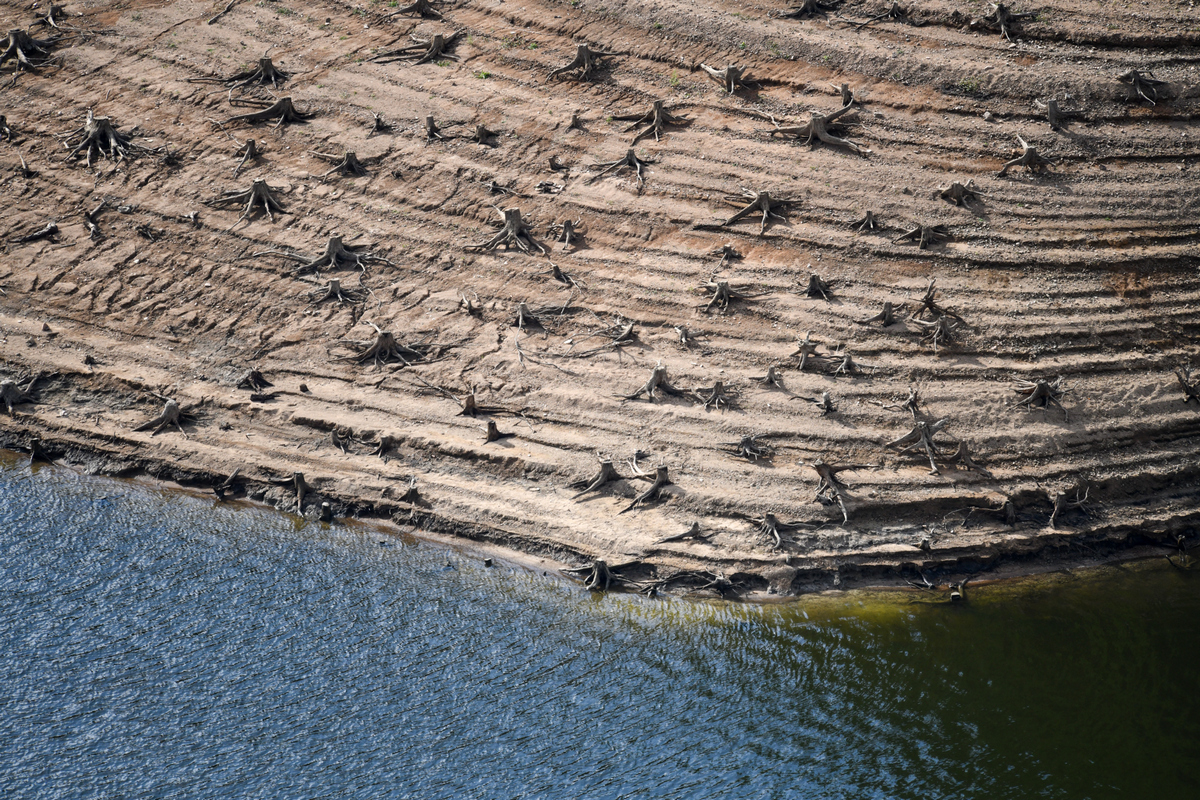
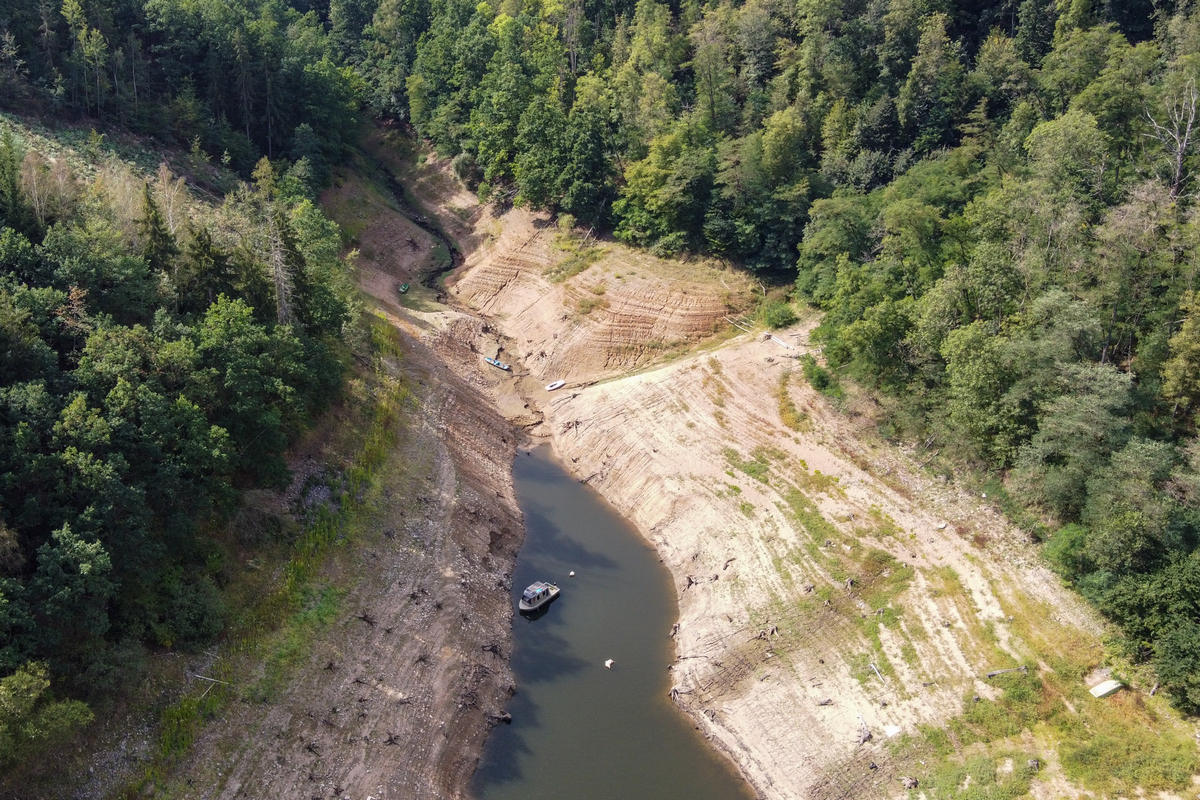
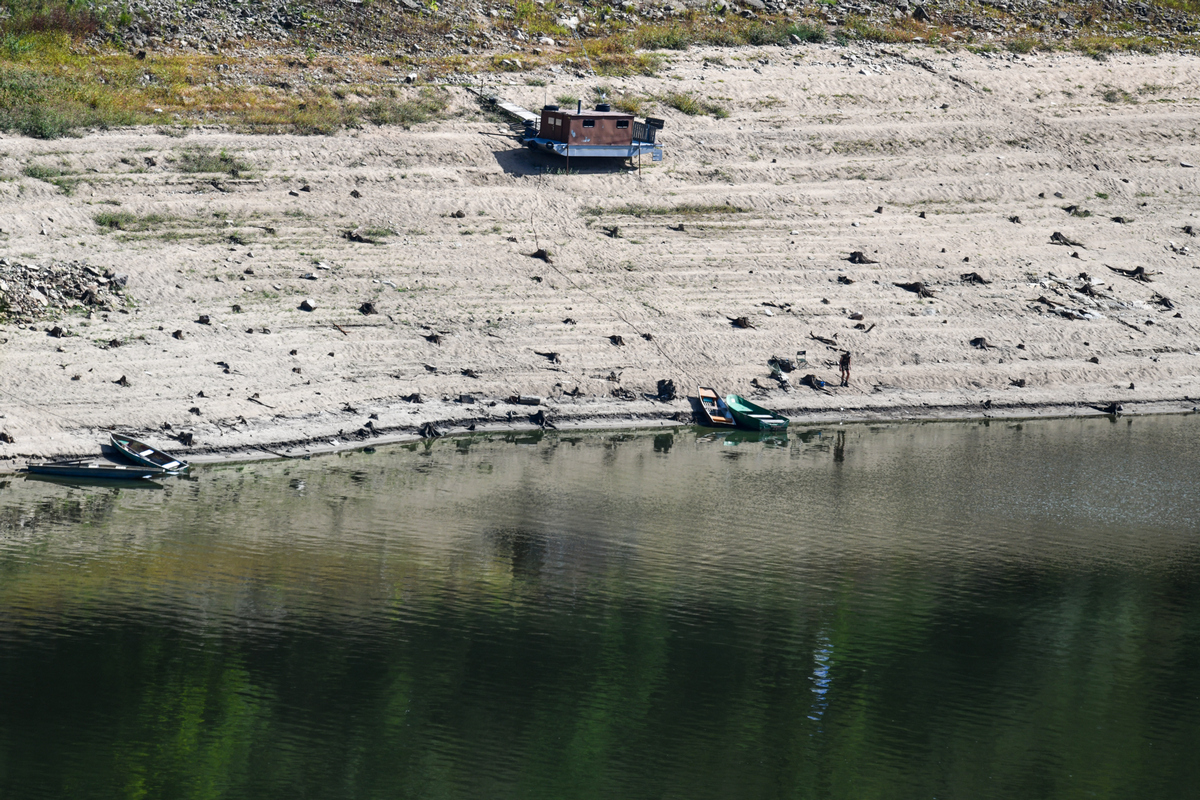
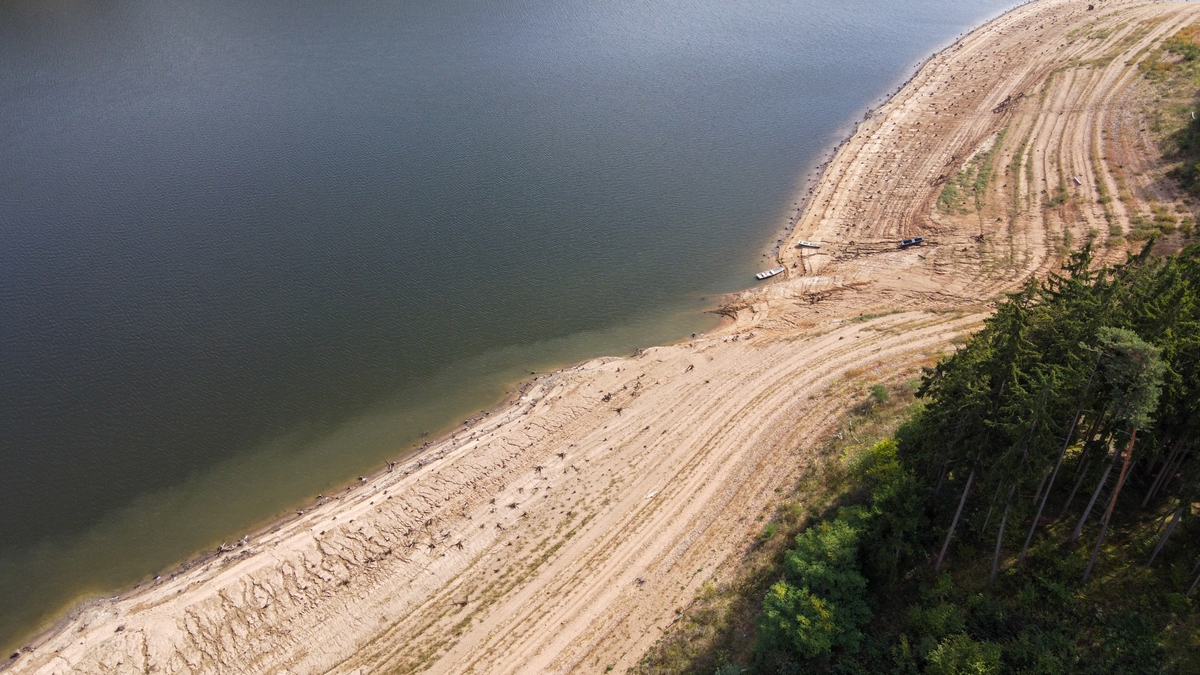
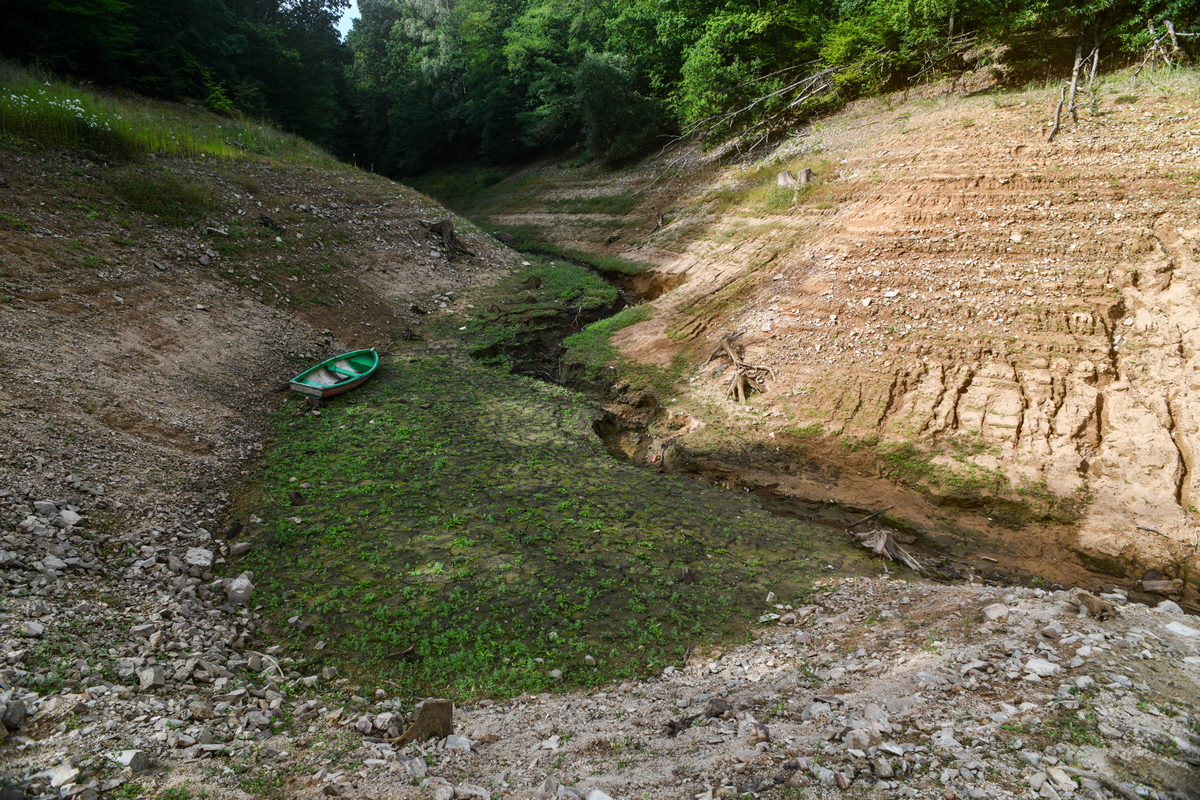
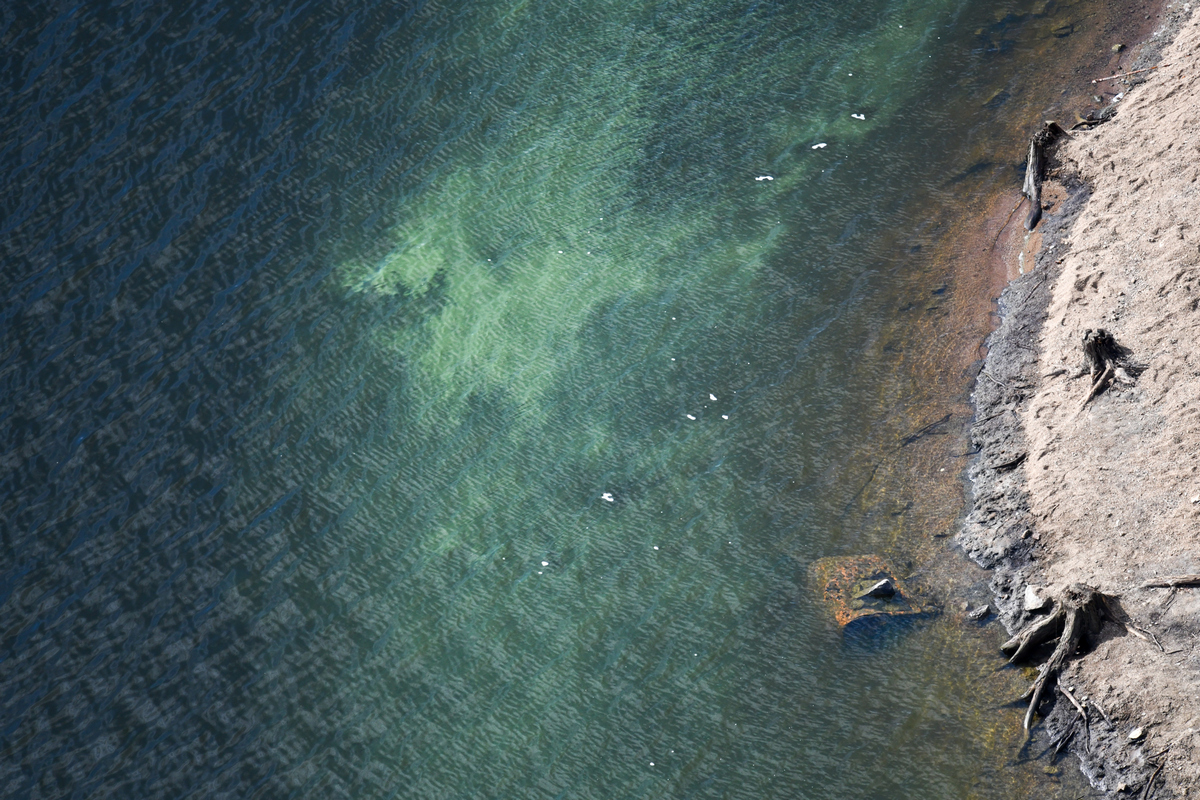
According to the World Meteorological Organization (WMO), 2025 was among the driest years in terms of river discharge over the past 35 years. At the same time, the long-term decline in terrestrial water storage continued, while glaciers in all major glaciated regions of the world recorded a net loss of mass for the fourth consecutive year. Hydrologist Oldřich Rakovec from the Faculty of Environmental Sciences at CZU also contributed to the new *State of Global Water Resources* report.
According to the report, river discharge in 2025 was below normal across 36% of the world’s river basin area. The share of basin area experiencing normal conditions remained well below the long-term average for the seventh consecutive year. During 1991–2020, an average of 46% of the world’s basin area experienced normal conditions, compared with only 34–38% over the past seven years. The analysis also confirms a continuing decline in water stored in soils, rivers, lakes, groundwater, snow and ice. Total terrestrial water storage has shown a downward trend since approximately 2014–2016. Persistent groundwater deficits were recorded between 2022 and 2025 in parts of Europe, the Americas, the Middle East, India, southern Africa and Australia.
Groundwater Deficits Are a Warning for Czechia
The report is also directly relevant to Central Europe. Across Central and Eastern Europe, WMO recorded persistently and widely below-normal to strongly below-normal groundwater levels between 2022 and 2025. Last year, total terrestrial water storage and river discharge were also below normal in Eastern Europe, snow conditions were below normal across Europe, and severe drought affected both Eastern Europe and the Mediterranean region.
“For Czechia, the persistent groundwater deficit across Central and Eastern Europe is a warning sign. Groundwater reserves help sustain river flows during periods without rainfall, but they take longer to recover than moisture in the upper soil layers. It is therefore important to protect water resources and promote water infiltration into the soil,” says Oldřich Rakovec, who contributed to the report by providing hydrological simulations using the global mHM hydrological model.
Glaciers Around the World Shrink Again
According to the report, glaciers in Central Europe may already have reached so-called “peak water”, the point after which the amount of meltwater they provide begins to decline permanently.
Glaciers are one of the clearest symbols of the ongoing changes in the global water cycle. During the 2025 hydrological year, they lost approximately 408 gigatonnes of ice globally, corresponding to about 1.1 millimetres of global sea-level rise. This was the fourth consecutive year in which all major glaciated regions recorded a net loss of ice mass.
Water Reserves for Dry Periods Are Declining
According to its authors, the WMO report points to an increasingly unpredictable water cycle, in which periods of water scarcity alternate with extreme rainfall and flooding. “Some parts of this cycle, such as precipitation, river flow and soil moisture, can change rapidly because they respond to weather over days or weeks. Others, such as groundwater, glaciers and seasonal snow cover, accumulate or decline over years, decades or even longer. These reserves have traditionally served as the planet’s savings account, or as a buffer that absorbs bad years so that a single dry period does not immediately turn into a water crisis,” says WMO Secretary-General Celeste Saulo.
“We are drawing down this metaphorical savings account. Global terrestrial water storage has shown a declining trend since around 2014–2016. This is a persistent signal that has now continued for a decade,” she warns.
The full State of Global Water Resources report by the World Meteorological Organization (WMO) is available at https://wmo.int/resources/publication-series/state-of-global-water-resources/2025.