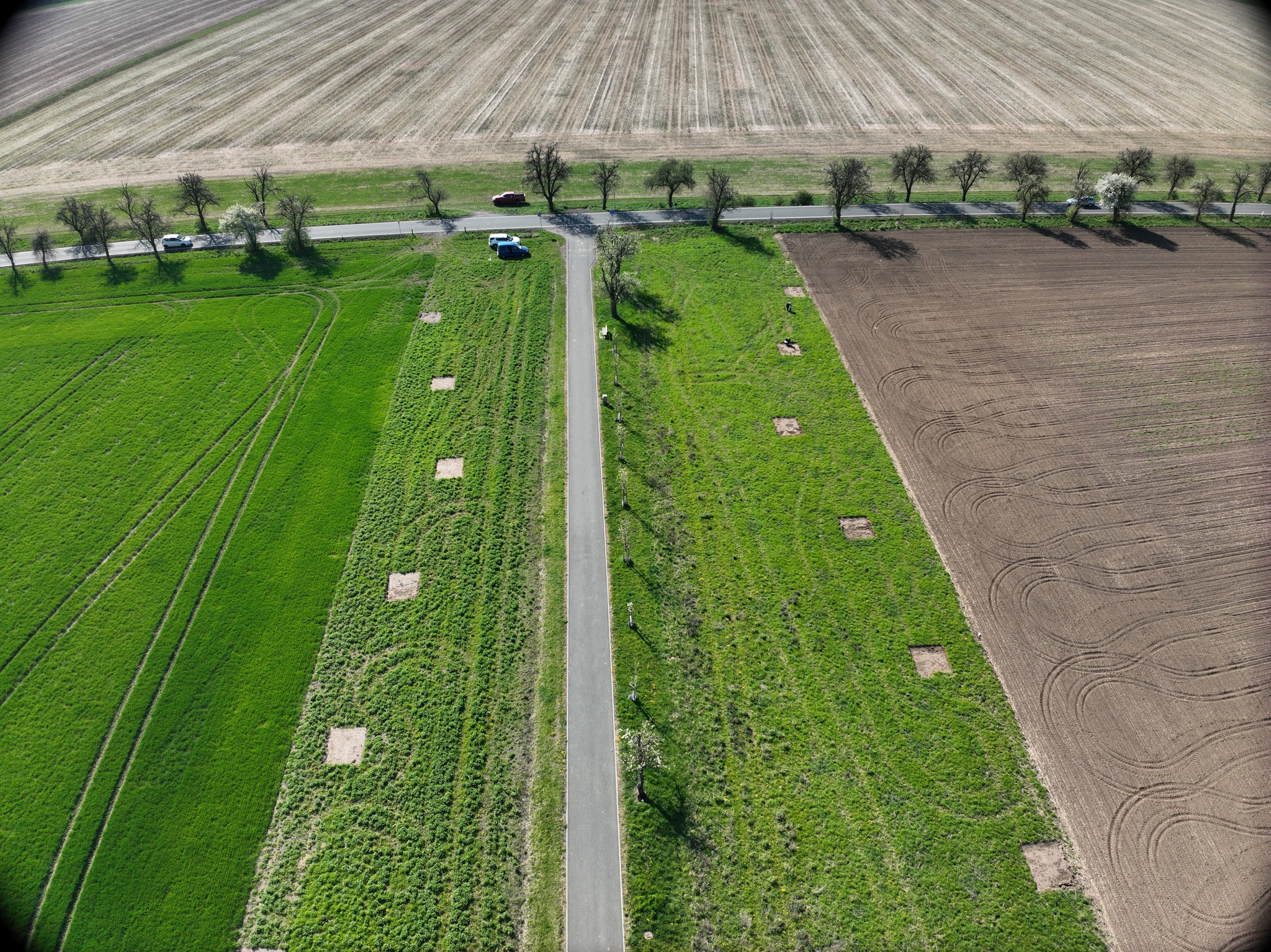
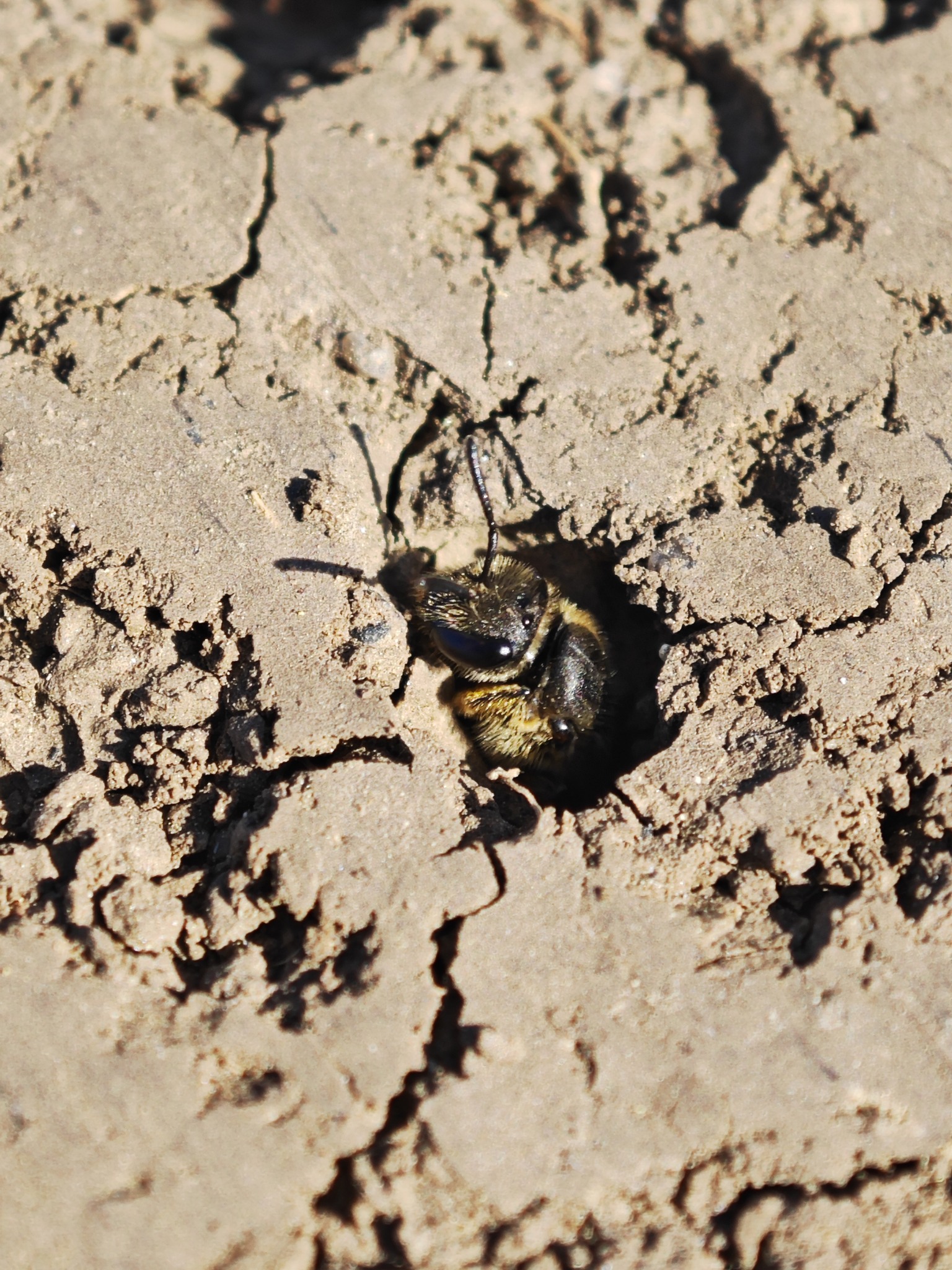
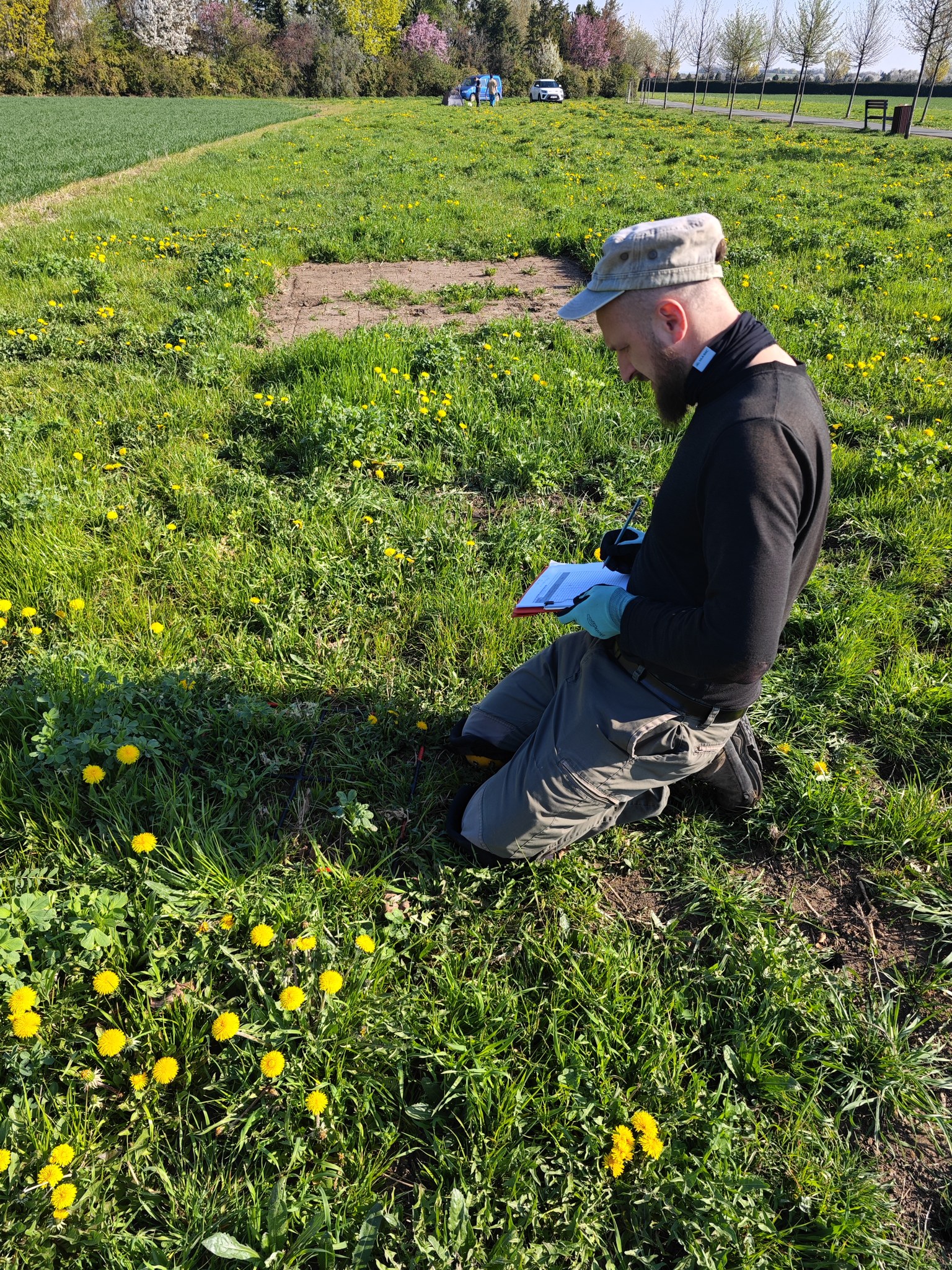
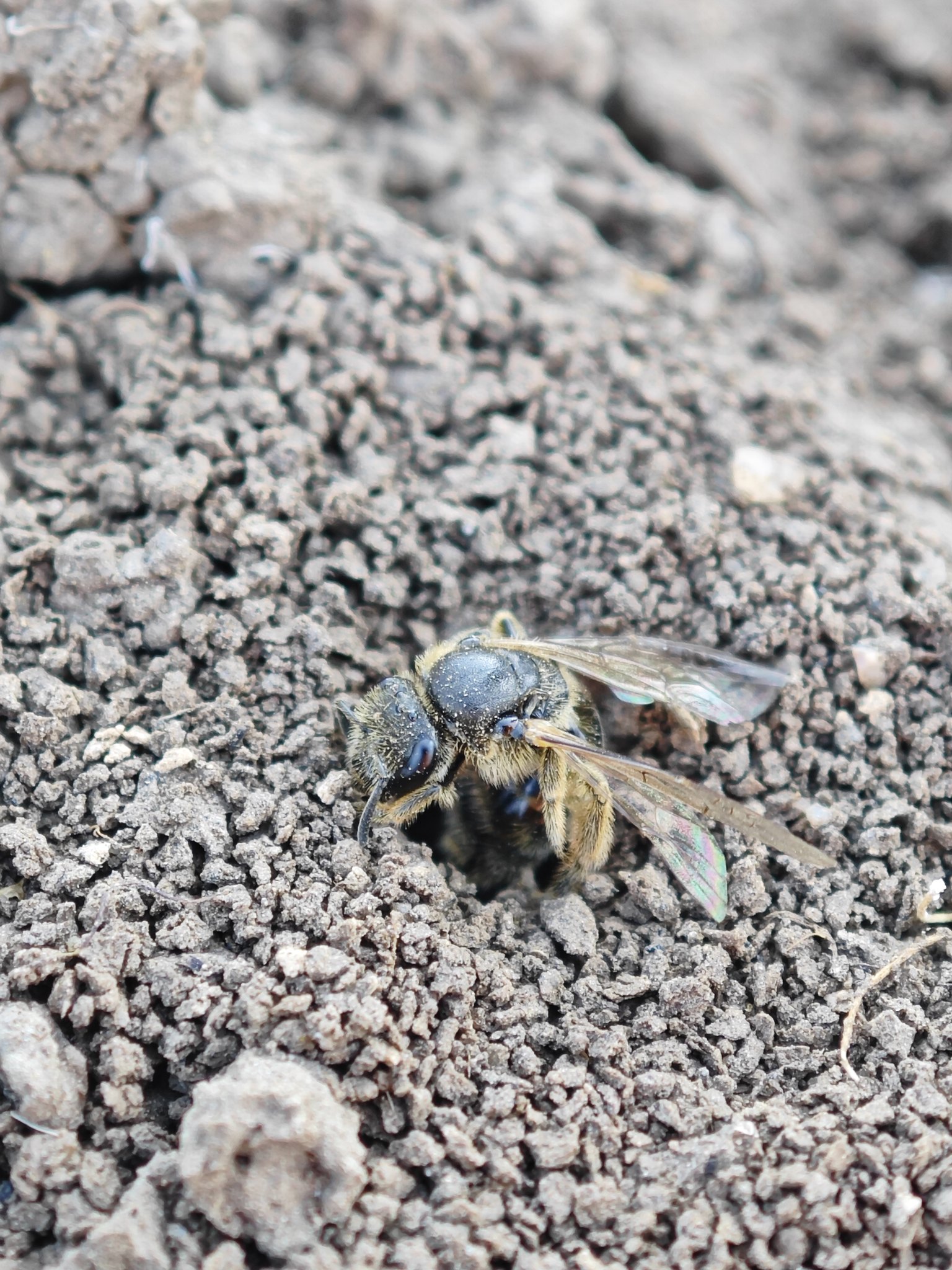
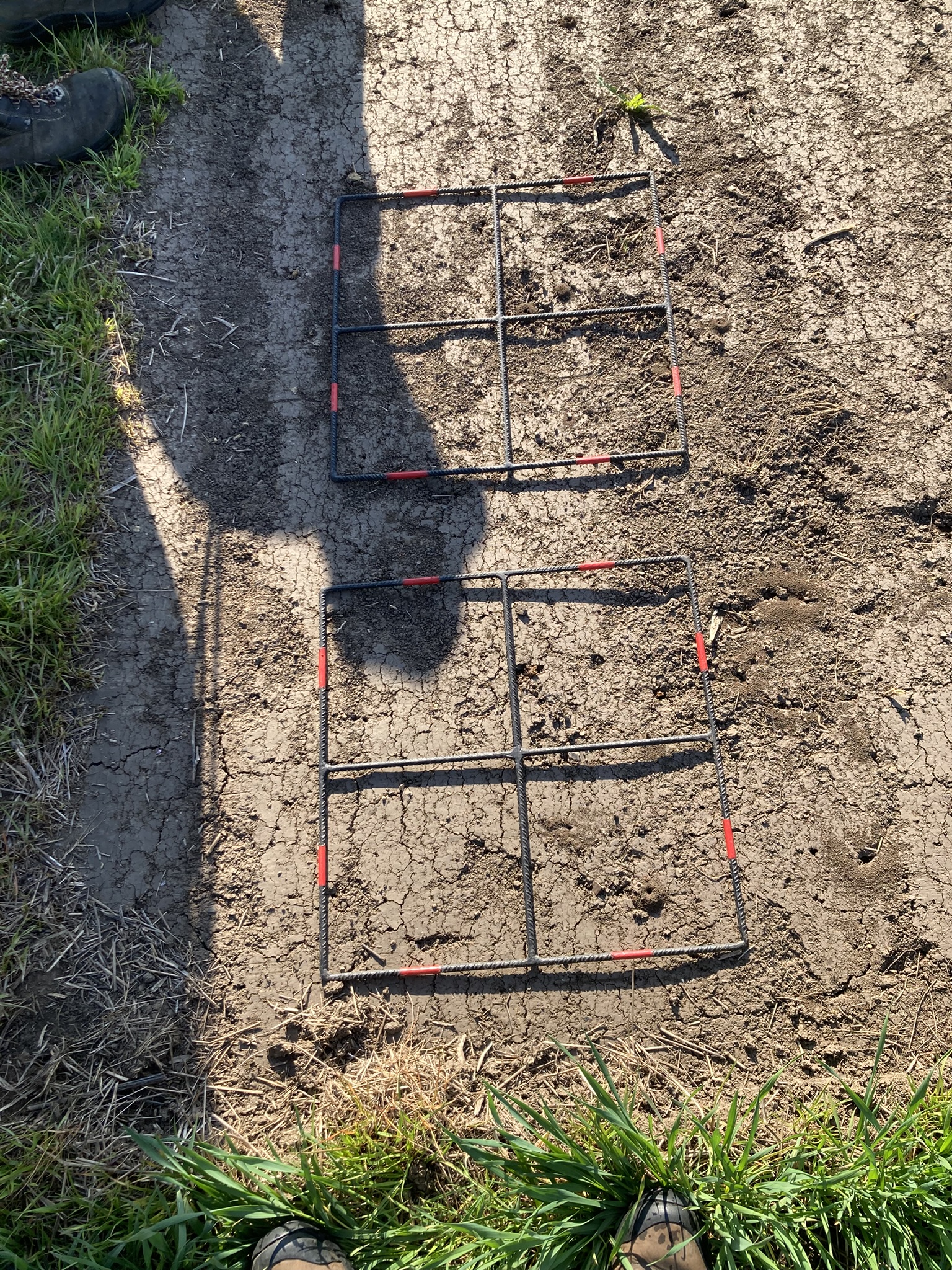
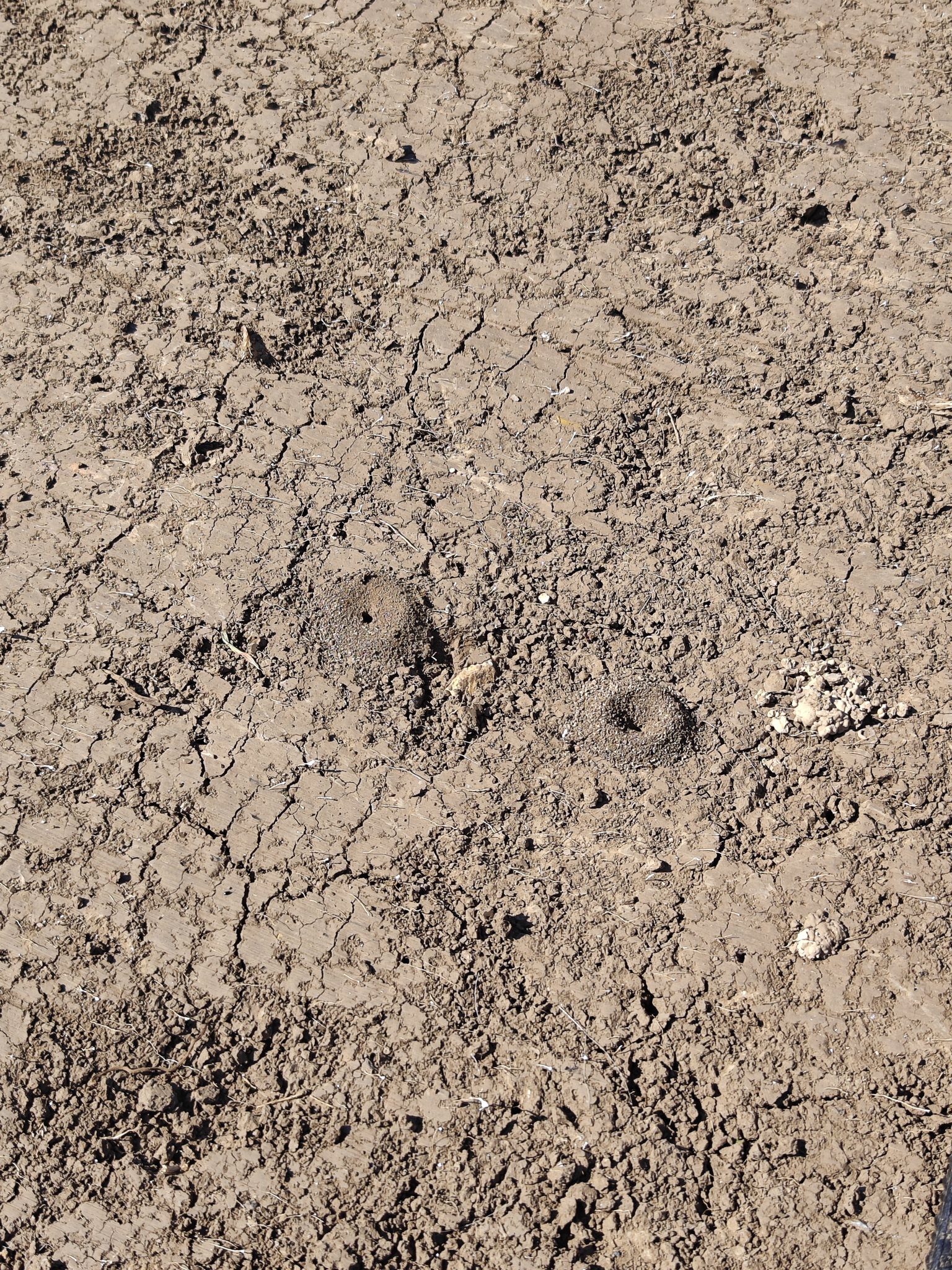
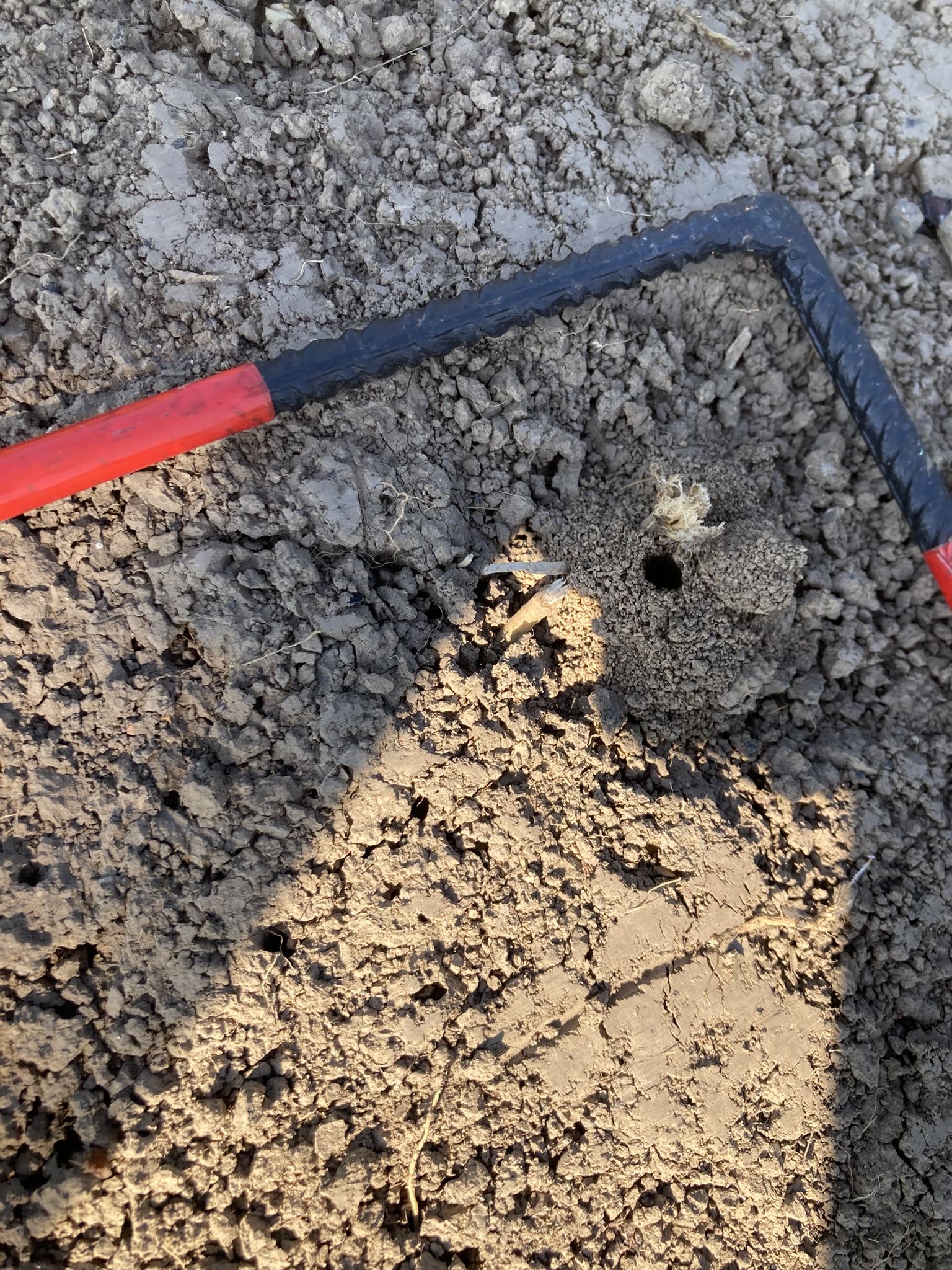
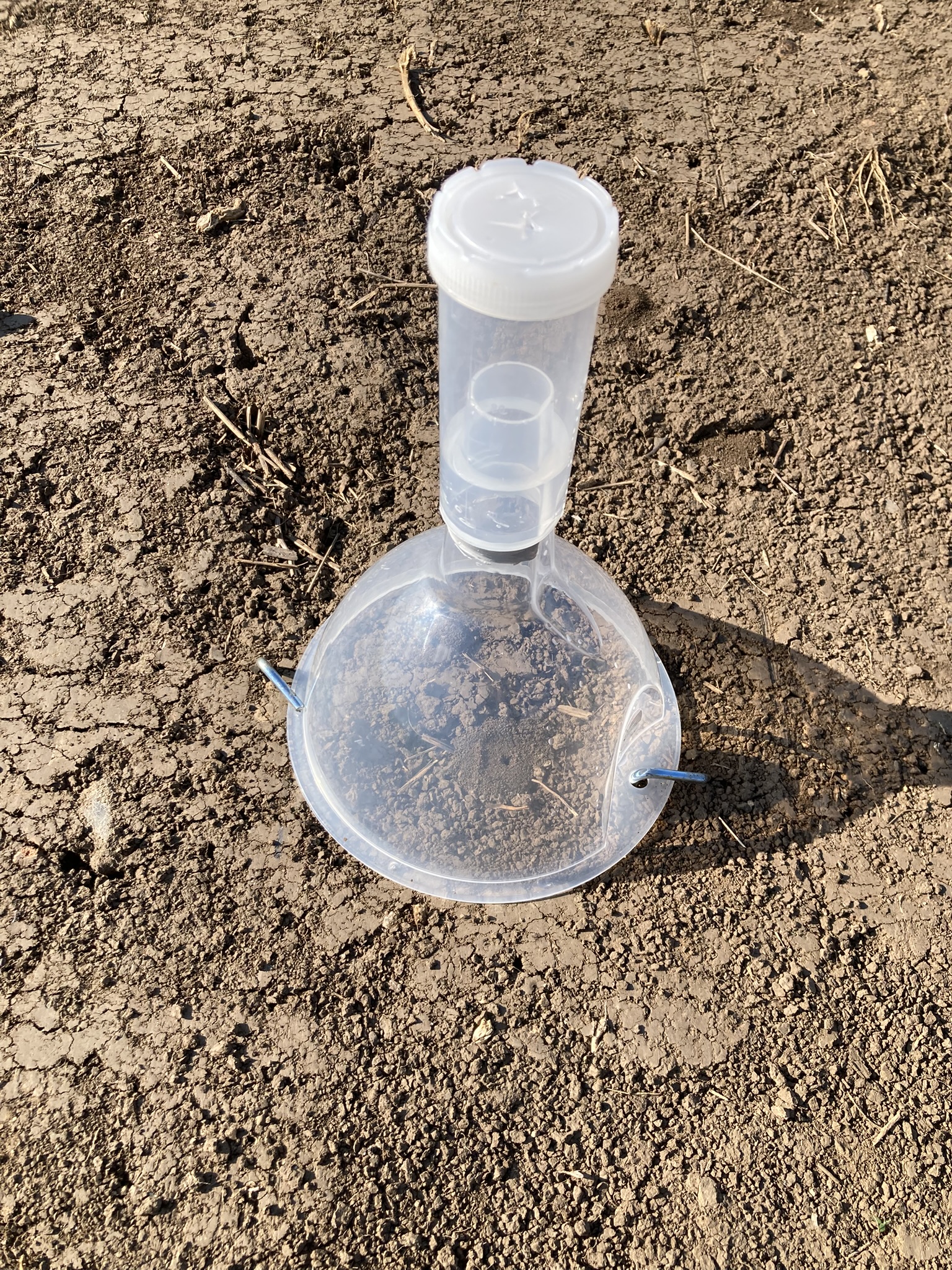
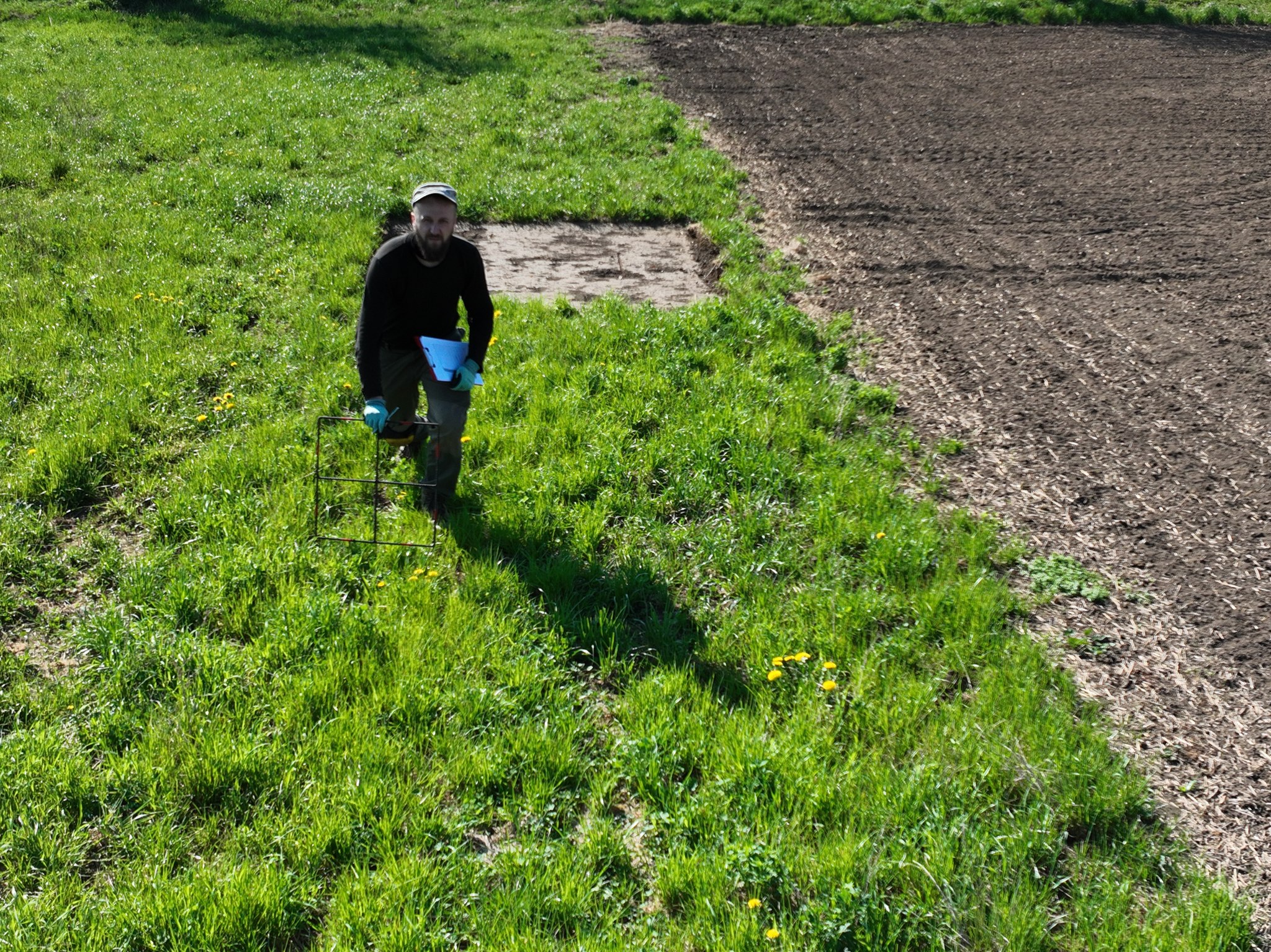
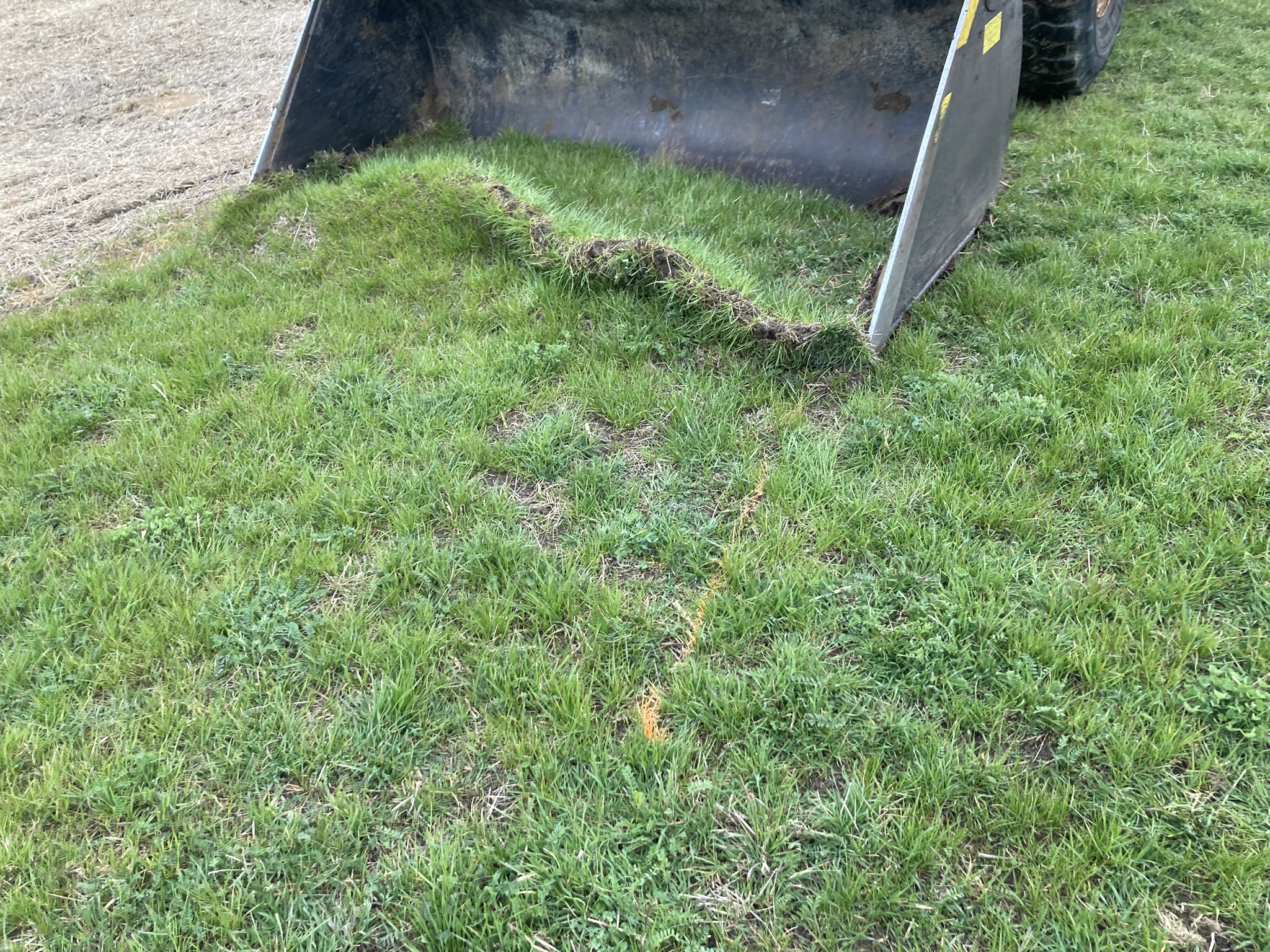
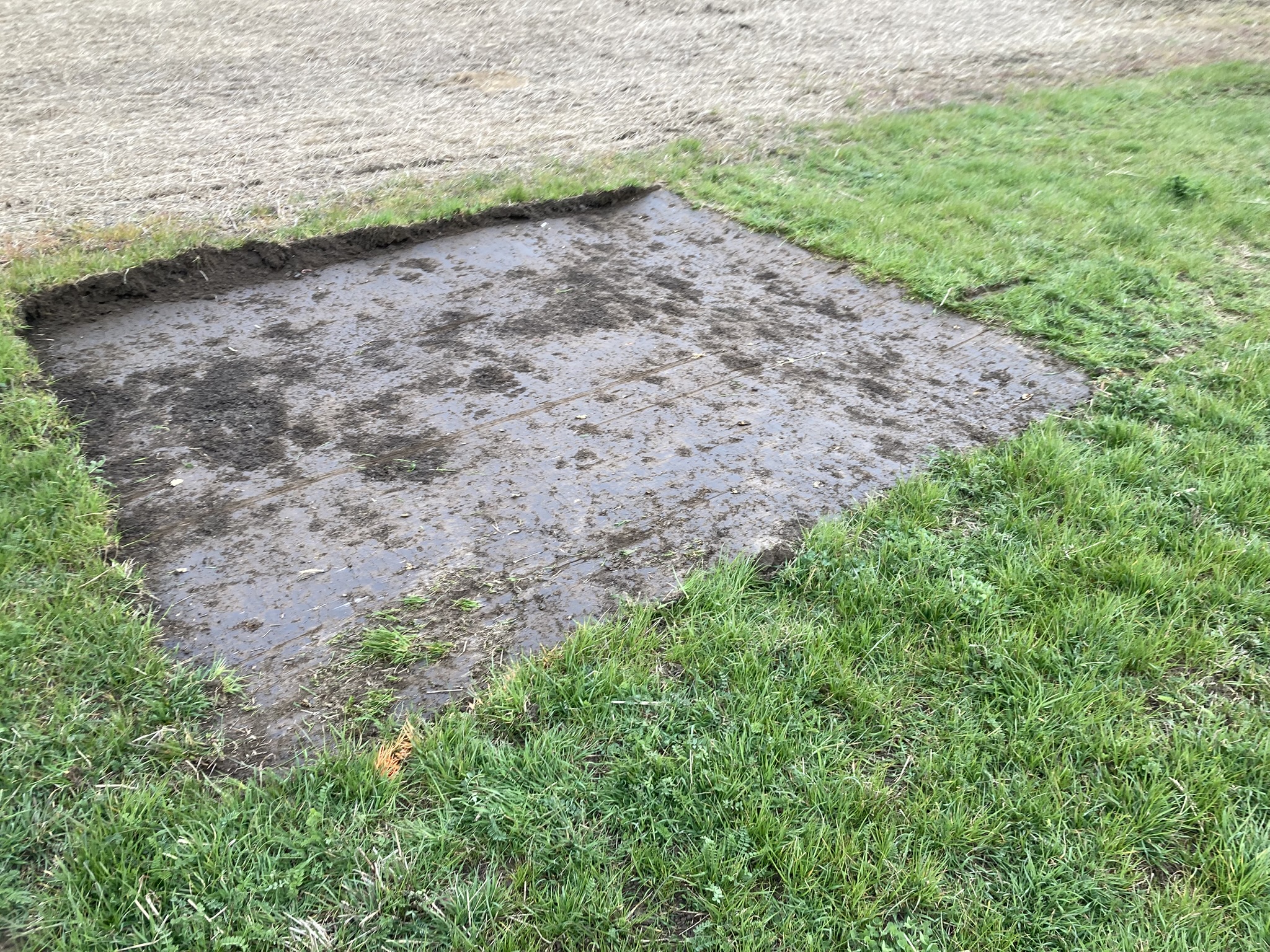
While the movement of agricultural machinery across wildflower strips is often restricted, our experience suggests that controlled soil disturbance can have beneficial effects on biodiversity. Previous findings from our team suggest that mechanically disturbing the soil surface in wildflower strips and other farm habitats can generate patches of exposed ground. These microhabitats represent essential nesting substrates for many species of solitary bees, whose natural nesting sites (e.g. unpaved field tracks) are rapidly disappearing from the landscape. In collaboration with farmers from VIN Agro s. r. o., we established an experiment in which small patches of vegetation were removed within wildflower strips to create areas of exposed soil. A monitoring programme was subsequently initiated to assess whether and to what extent these sites are used by solitary bees. Preliminary results indicate that even small patches, only a few square metres in size, can be intensively colonised by a wide range of solitary bee species. The further development of these communities will depend on seasonal dynamics and vegetation changes within the strips. This research contributes to a better understanding of how targeted management interventions can support biodiversity in agricultural landscapes. It also demonstrates that appropriately designed practices can align agricultural production with biodiversity conservation goals.
Supported by project: Rationalisation of wildflower strip application to support biodiversity on arable land.