When I joined the Ecolution (Smart Sustainable Solutions) Master's programme at the Czech University of Life Sciences in Prague, I expected to learn about sustainability, environmental technologies, and modern approaches to environmental management (as the name of the program clearly suggests). After almost a year (just 4 more weeks to go!) in the program, I can confidently say that it has exceeded those expectations by showing how environmental science, technology, and data can work together to address real-world challenges.
One of the aspects I appreciate most about Ecolution is that sustainability is not treated as an abstract concept. Instead, we are encouraged to approach environmental issues through evidence, technology, and practical decision-making. Throughout the year, in different subjects, we explored how environmental data is collected, analysed, and transformed into information that can support management, planning, and policy.
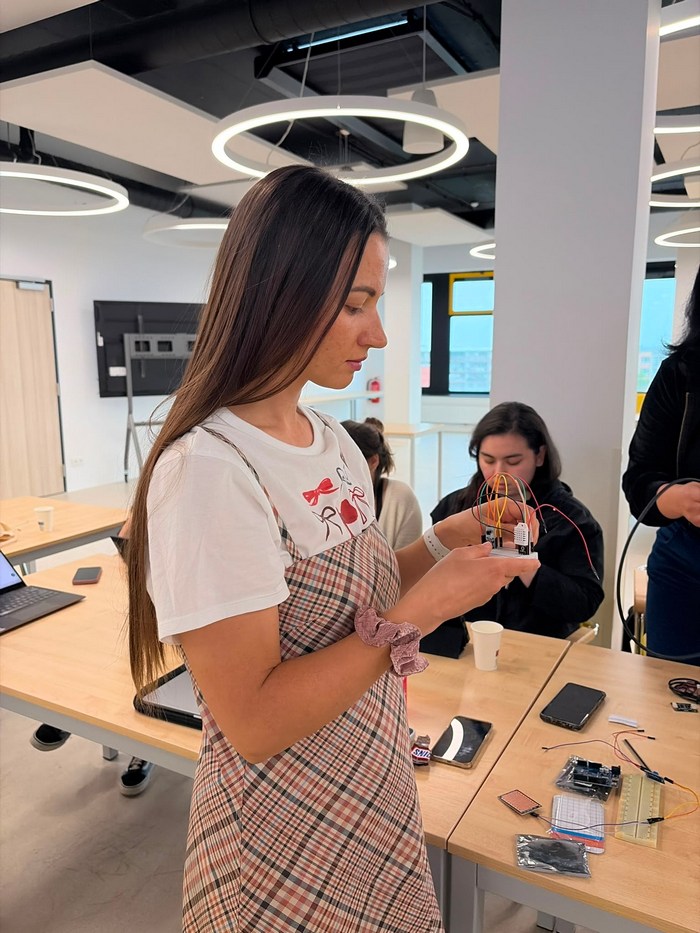
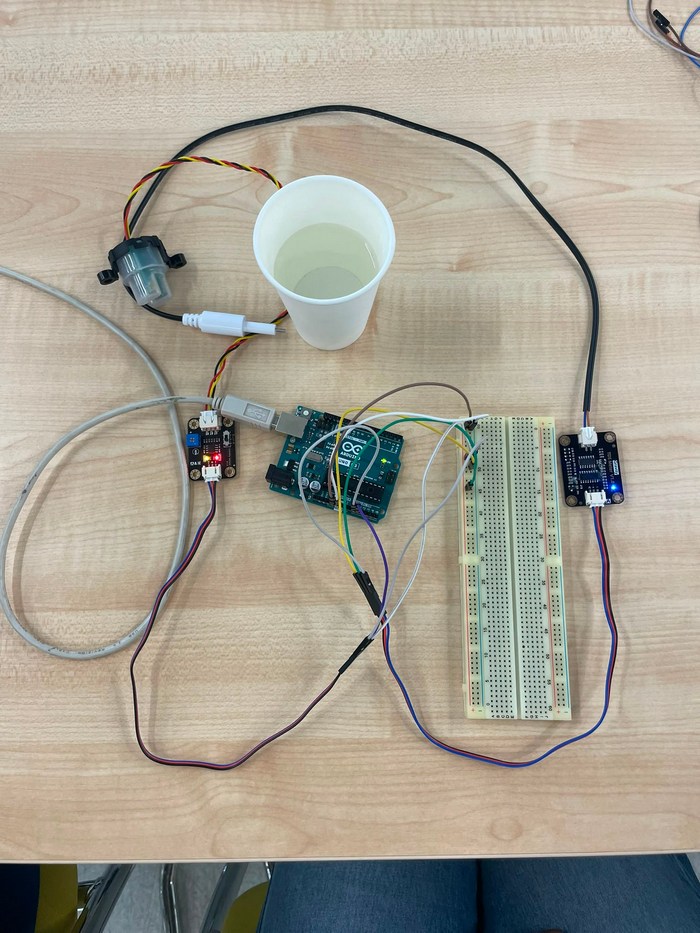
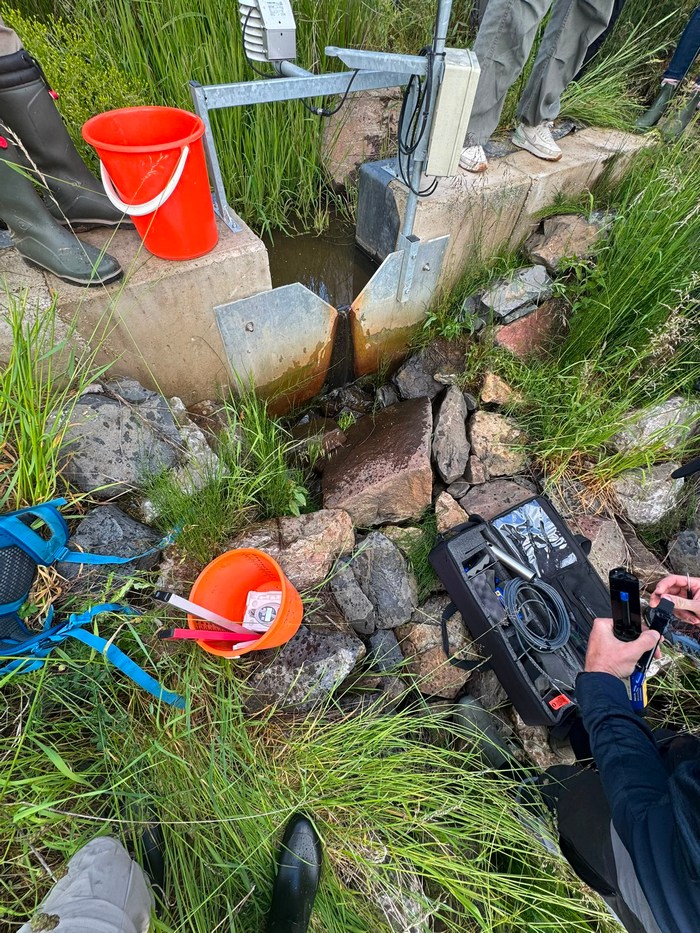
A recurring theme across many courses has been the importance of environmental monitoring. We studied how modern sensors and data acquisition systems are used to observe environmental processes in real time, from weather conditions and water resources to broader ecosystem dynamics. Learning about the technologies behind monitoring networks gave me a better understanding of how environmental information is generated and why data quality is essential for making informed decisions.
Collecting data, however, is only the first step. We also worked extensively with environmental data processing, learning how large volumes of information can be cleaned, analysed, and interpreted. This highlighted an increasingly important reality in environmental sciences: modern professionals need not only scientific knowledge but also the ability to work with data effectively. As environmental monitoring becomes more widespread, the capacity to transform raw measurements into meaningful insights is becoming one of the key skills in the field.
Another interesting part of the programme was environmental risk assessment. This subject demonstrated how scientific knowledge can be applied to evaluate potential threats to ecosystems, natural resources, and human activities. Rather than focusing only on environmental problems themselves, we learned structured approaches for assessing risks, identifying vulnerabilities, and supporting decision-making under uncertainty.
Hydroclimatology and real-time monitoring connected many of these themes together. By examining interactions between climate, hydrology, and environmental systems, we gained a broader perspective on how environmental processes are linked across different spatial and temporal scales. The course also highlighted the growing importance of continuous monitoring systems in understanding environmental change and responding to emerging challenges.
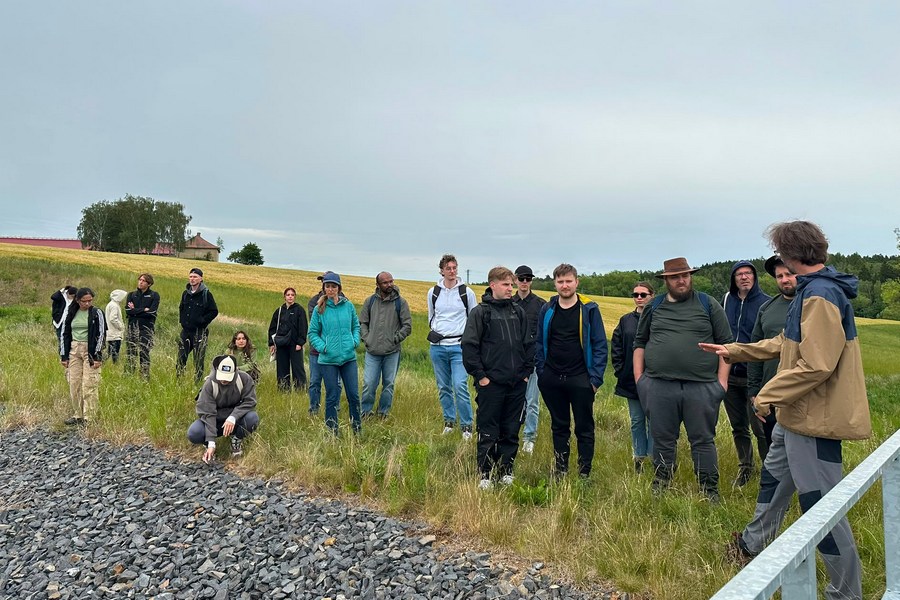
What makes Ecolution particularly valuable is that learning extends beyond the classroom. As part of the programme, we will participate in field activities and study visits that allow us to observe sustainable solutions in practice. One of the highlights is the two-week on-site programme, including excursions to the Amálie Smart Farm operated by ČZU. Seeing innovative agricultural technologies and sustainable management approaches in a real-world setting provides an important complement to the theoretical and technical knowledge gained during lectures.
The programme also recognises that sustainability challenges are not only technical but also social and cultural. This year, students will dive into Czech language and culture as the on-site part will be held at ČZU campus. In the second year students will experience Greek culture when going on the on-site block to International Hellenic University in Thessaloniki. This creates a richer educational experience and encourages collaboration between students from different backgrounds.
Another area that I am particularly looking forward to exploring further is wetlands conservation and management. Wetlands are among the most valuable and vulnerable ecosystems in Europe, playing a critical role in biodiversity conservation, water retention, and climate adaptation. Understanding how these ecosystems can be protected and managed sustainably is highly relevant in the context of current environmental challenges.
Another exciting milestone is just around the corner. Following the completion of the first year, students will begin their industrial placements and start preparing their master's theses. This marks an important transition from coursework to independent professional and research activities. The internship provides an opportunity to apply the knowledge and skills gained throughout the programme in a real-world environment, while the thesis allows students to investigate a sustainability-related topic in greater depth. Together, these components create a strong bridge between academic study and future professional careers in the environmental sector.
I feel that Ecolution has provided much more than subject-specific knowledge. It has helped me develop a systems perspective on environmental issues, showing how science, technology, policy, and practical management are interconnected. The programme prepares students not only to understand environmental challenges but also to contribute to solutions using modern tools and interdisciplinary thinking.
For anyone interested in sustainability, environmental technologies, and data-driven environmental management, Ecolution offers a unique opportunity to gain both theoretical understanding and practical experience in a rapidly evolving field.